

Balsamic maple filet mignon roast
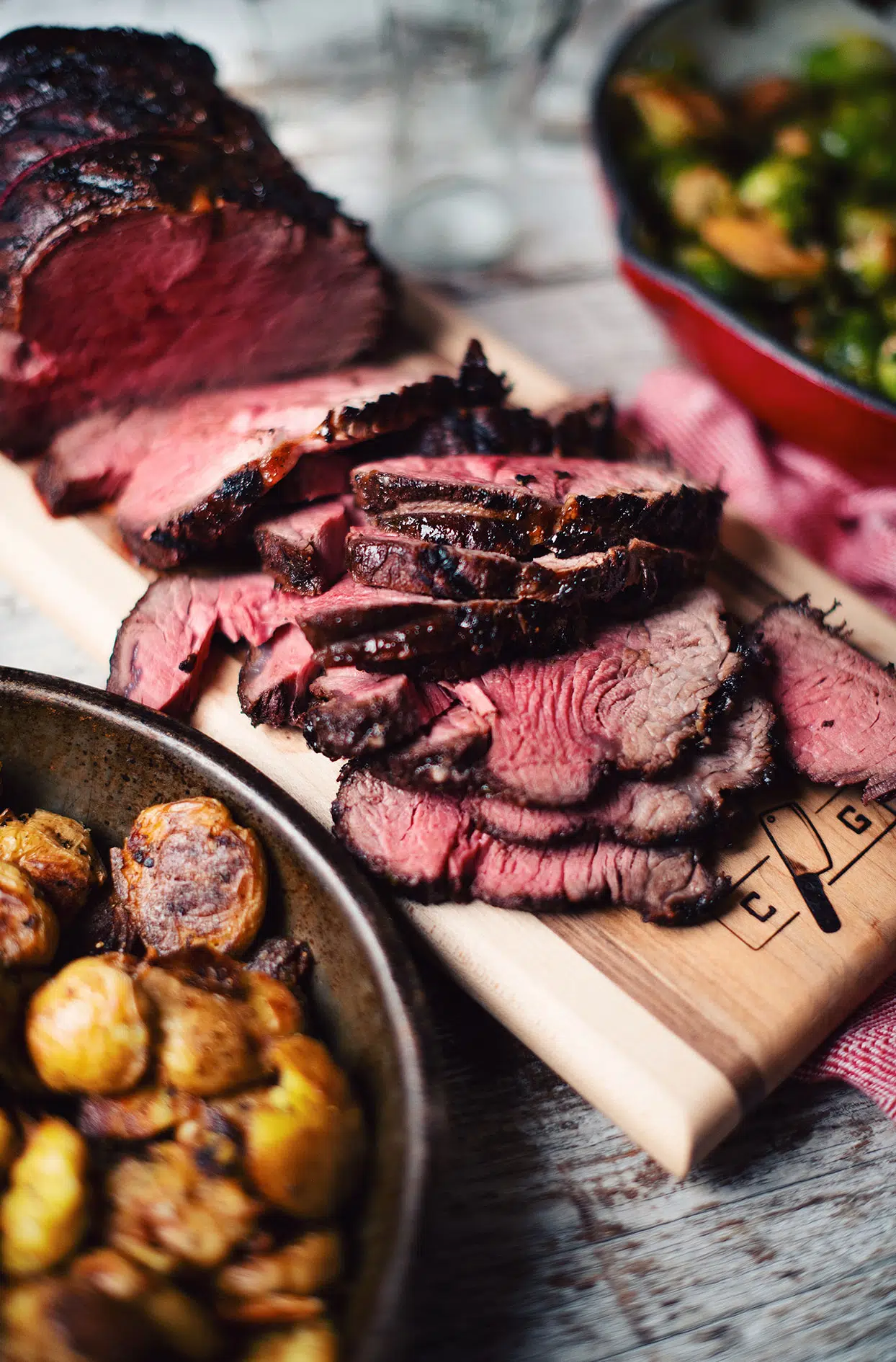
- Preparation 20 min
- Refrigeration 8 h
- Cooking 55 min
- Servings 6
- Freezing I don't recommend it
Ads
🥩 A roast, not medallions
Say filet mignon and everyone pictures the same thing: two thick little medallions sitting in the middle of a plate. That is not what this is. This is the whole centre cut, trimmed and tied, coming out of the oven in one piece and carved in front of people. It changes the cooking and the serving. Mostly it changes the look on everyone’s face when it lands on the table.
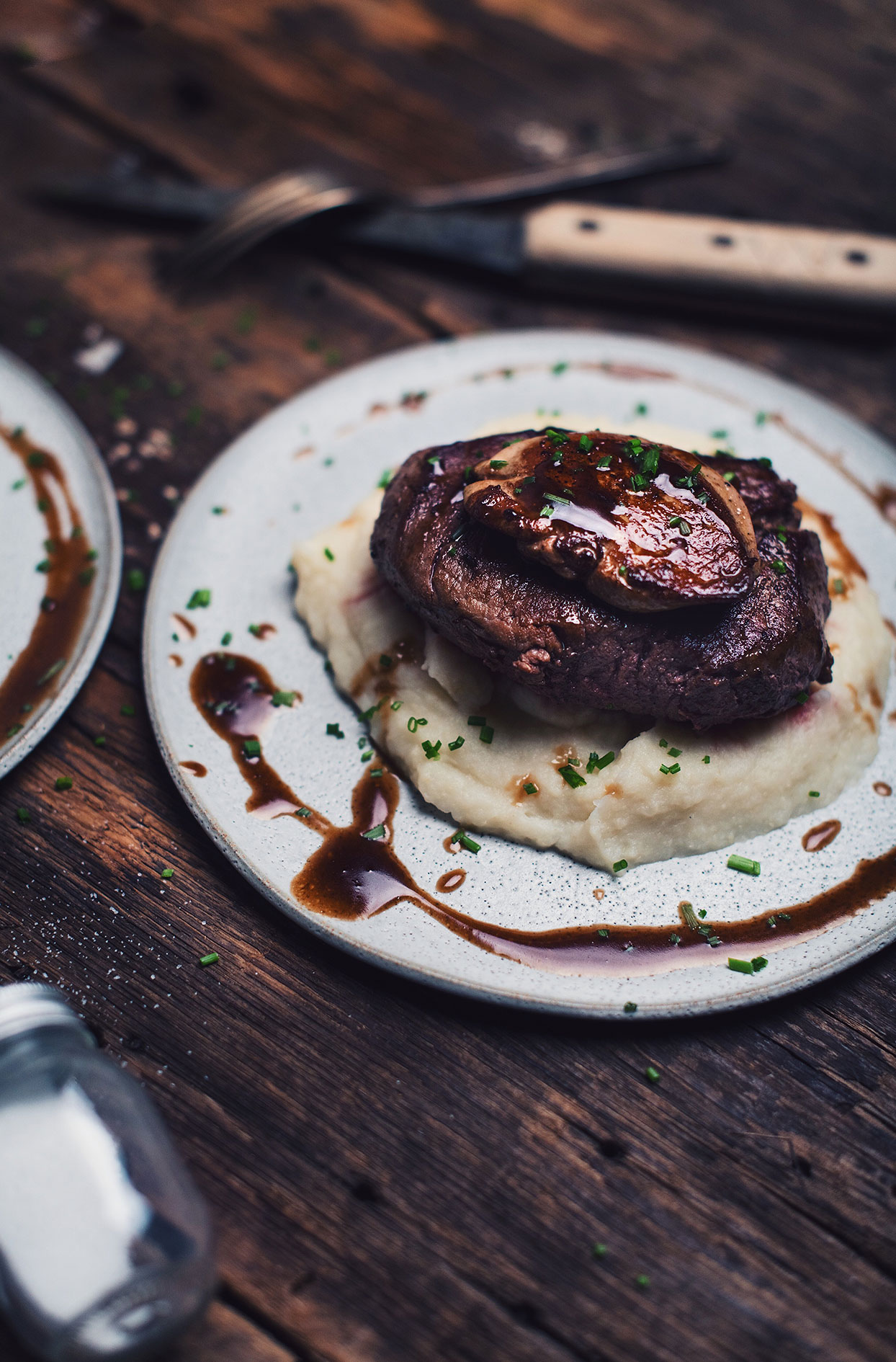
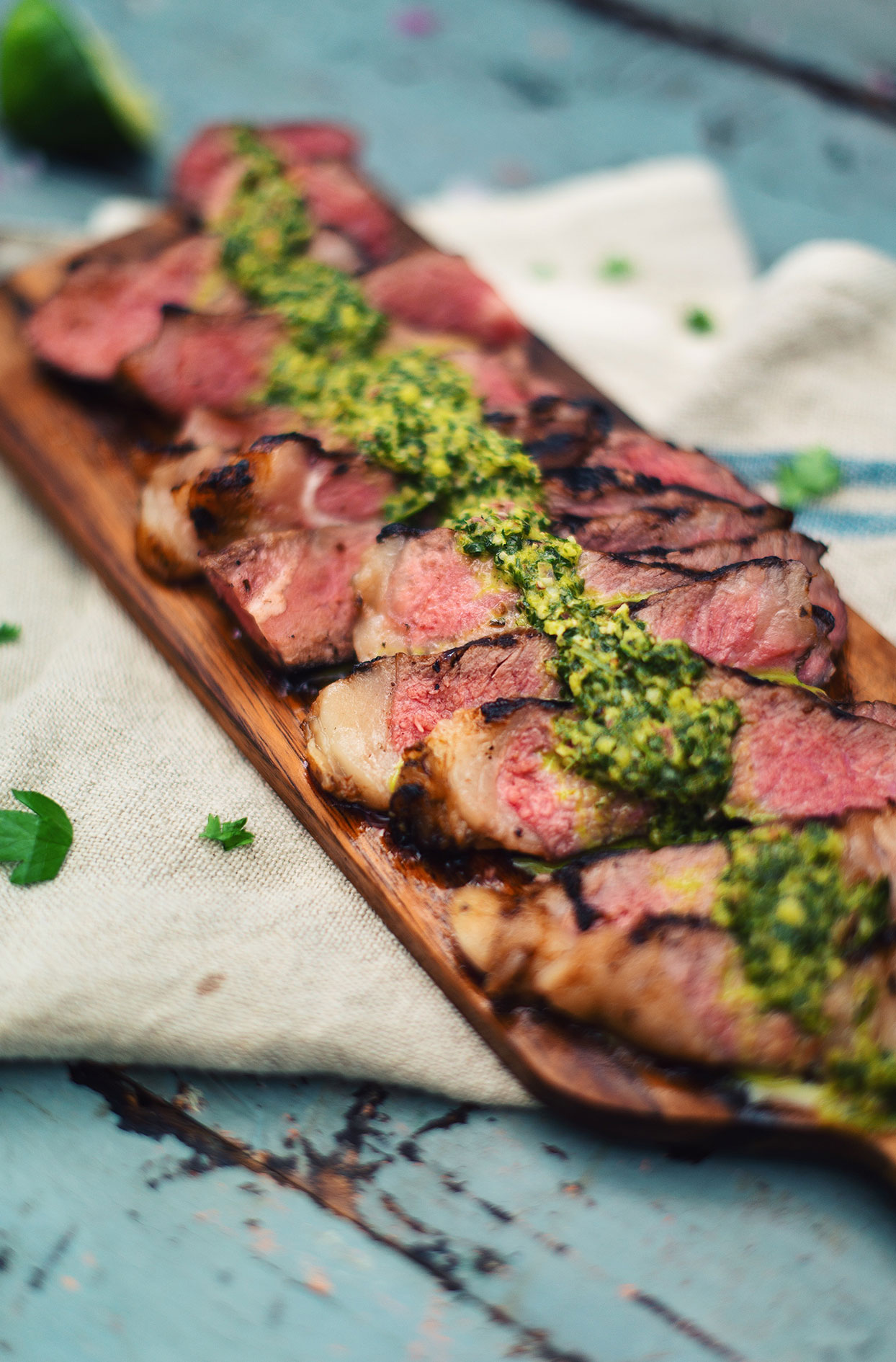
I have two other filet mignon recipes here and neither one is anything like this. My filet mignon Rossini and my Manhattan striploin with chimichurri are individual portions, one per person, seared fast. A roast gets treated like a roast.
🍁 Balsamic and maple, together
Balsamic on its own is sharp and a little mean on beef. Maple on its own turns sweet and burns. Put them together and you get a dark, almost lacquered crust that tastes like both at once.
Nothing complicated about it. Good balsamic, maple syrup, oil, garlic and chives, whisked in a bowl. Half of it goes in the bag with the meat, the other half waits in the fridge in its own container for basting. Two liquids, never the same one.
🎄 The holiday centrepiece
Nobody roasts a whole tenderloin in July. This is a December thing, for when the table is full and you want something that looks harder than it is.
For years I made it on the barbecue over two zones. It still works. But nobody wants to stand outside on December 25th watching a roast in the snow. So I rebuilt it for a skillet and an oven: easier, more precise, and the crust is every bit as good. My BBQ version is still online for summer.
Ads

Ads
🥩 What to ask for at the counter
The cut is a tenderloin roast, the centre section of the whole beef tenderloin. Ask for it trimmed and tied. Trimmed means the silverskin is off: it never melts and it pulls the meat out of shape as it cooks. Tied means the piece keeps an even thickness end to end, otherwise the tail is done while the middle is still cold. Any butcher does both in front of you in two minutes. Figure on 1.5 kg for six people.
🌡️ The thermometer decides, not the clock
This is the only thing that really matters here.
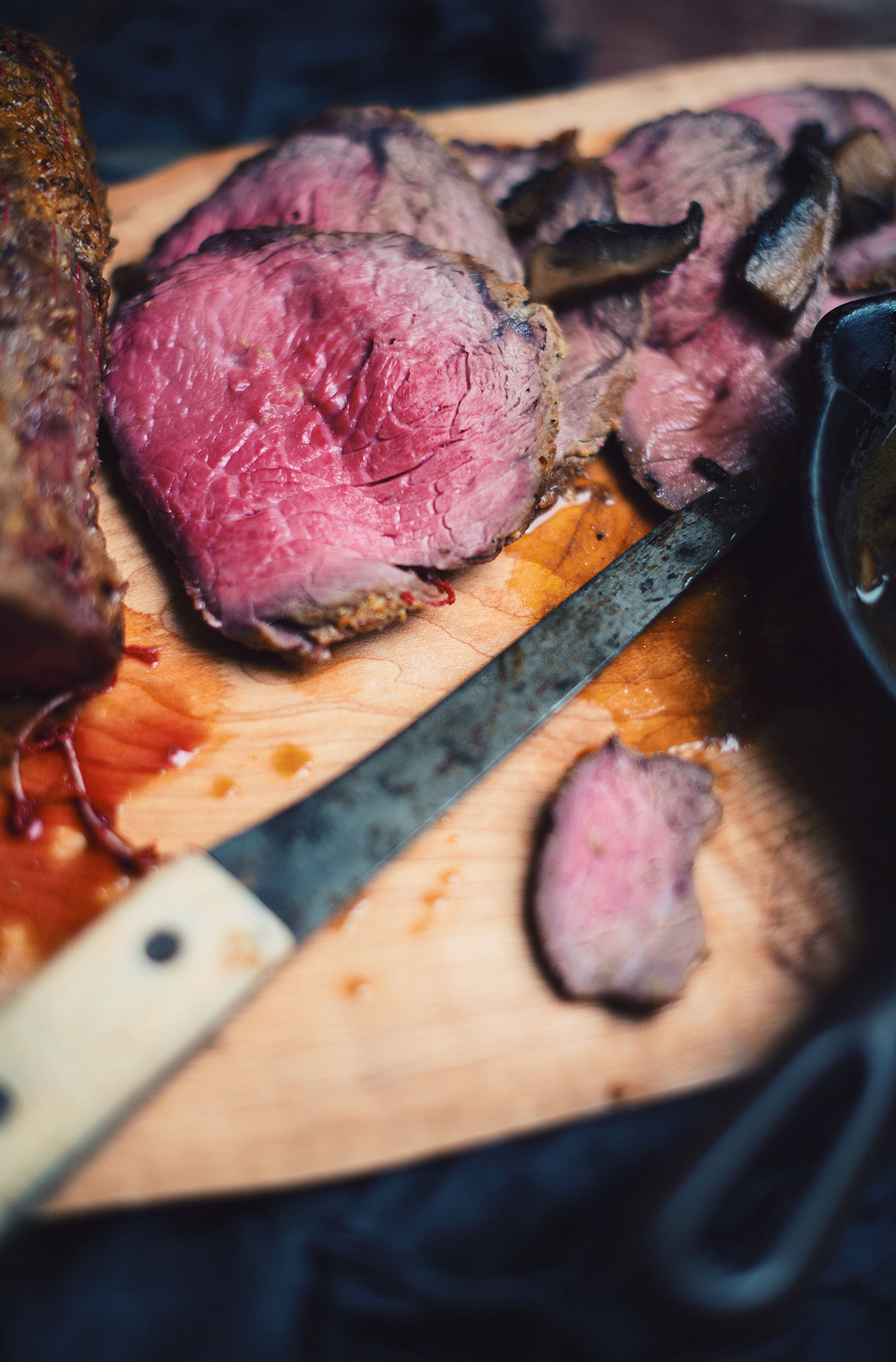
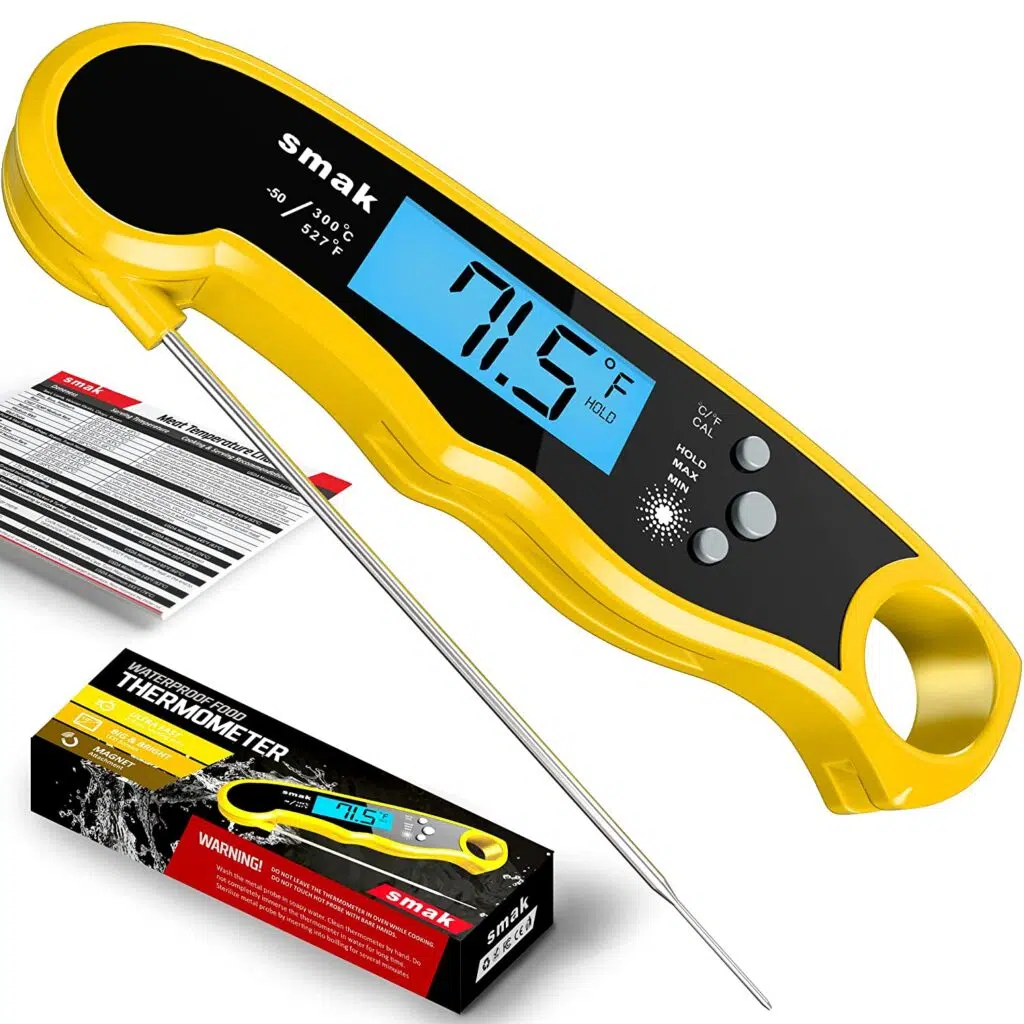
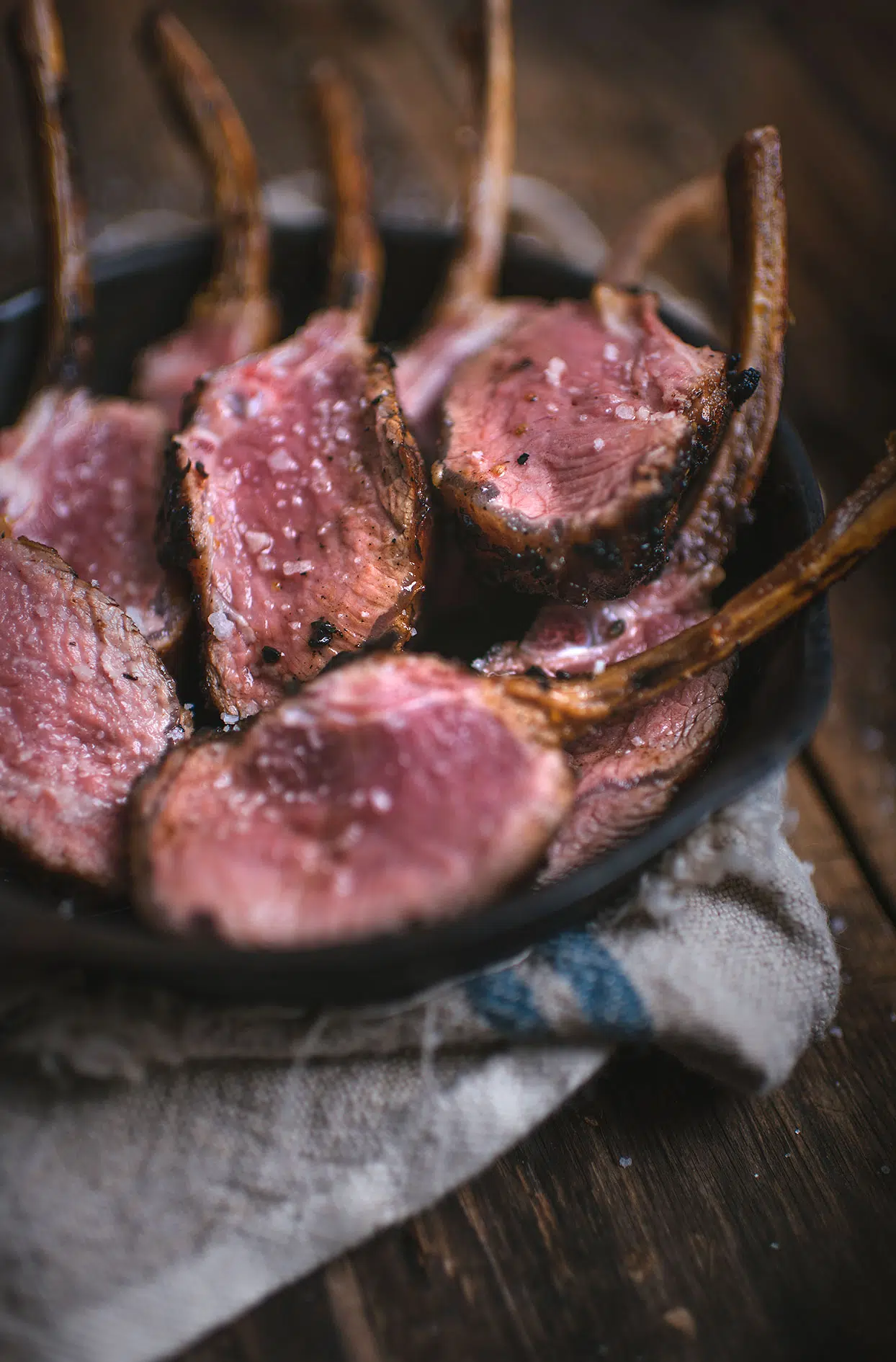
Tenderloin has no fat to forgive you. Five minutes too long and you paid luxury prices to eat something grey. My numbers: 140 °F (60 °C) for rare, 155 °F (68 °C) for medium. You pull the meat when the needle hits the number, not after. It keeps climbing a few degrees while it rests, and that is planned for.
Push the probe in horizontally, through the thickest part, aiming for the centre. If the tip touches the bottom of the skillet you are reading hot metal, and you will overcook a beautiful roast while believing you did everything right. The 10 minute rest under foil is not decoration either: slice it right away and the juice ends up on the board instead of in the meat.
🧴 Two containers, two liquids
Half the mixture goes into the bag with the raw meat. The other half waits in the fridge in its own container, and that half, only that half, is what you brush on during cooking. You split it the moment you finish whisking. After that there is nothing left to think about.
📅 Make it ahead
Yes, and this is where the recipe earns its place at a holiday dinner. Mix everything the night before and let the roast sit in the fridge overnight. The basting mixture keeps three days in its container. The baby potatoes can be blanched ahead and wait on their sheet pan. What you cannot do ahead is the cooking itself. A reheated tenderloin roast is simply not the same piece of meat.
🔥 It still works on the barbecue
That is how I made it for years. Sear over the hot grates, shut off one burner, slide the roast to the unlit side and finish it with the lid down until it hits temperature. Same basting, same thermometer. My full BBQ version is online for grilling season.
🧀 Leftovers, and the truth about leftovers
The roast keeps three to four days in the fridge, well wrapped. It does not freeze: the texture of tenderloin does not survive thawing.
And let me be honest about reheating. Leftover filet mignon put back in the microwave turns grey. Not bad exactly, just grey and sad. The answer is to not reheat it at all. Slice it thin, cold, and turn it into grilled cheese with a cheese that stretches. The hot bread does the work and nobody at the table notices they are eating leftovers.
✅ What to serve with my balsamic maple filet mignon roast
At my place it is smashed baby potatoes and maple Brussels sprouts. Both are in the recipe and both finish while the roast rests. I almost always add a sharp green salad too, because that crust is sweet and something has to cut it. If you are really entertaining, my beef tenderloin salad makes a starter that sets the tone, and my roast beef with red beer and portobello juice will give you the idea for a pan sauce on the side.
Ads
Ingredients for the roast
- 1 filet mignon roast, about 3.3 lb (1.5 kg), trimmed and tied
- 1/2 cup (125 ml) maple balsamic vinegar (or 1/4 cup (60 ml) maple syrup whisked with 1/4 cup (60 ml) good balsamic vinegar)
- 1/4 cup (60 ml) olive oil
- 10 sprigs of chives, finely chopped
- 3 garlic cloves, finely chopped
- 1 tablespoon (15 ml) vegetable oil, for searing
Roasted baby potatoes
- 1.5 lb (680 g) baby potatoes
- 6 garlic cloves, peeled and well crushed
- 1/2 teaspoon (2.5 ml) Provence herbs
Maple Brussels sprouts
- 1.75 lb (800 g) Brussels sprouts, trimmed and cut in half
- 2 tablespoons (30 ml) maple syrup
Ads
Preparation
- Place the roast in a large resealable plastic bag. Set aside.
- In a bowl, whisk the maple balsamic vinegar, olive oil, chives and garlic. Season generously with salt and pepper.
- Pour half of the mixture over the meat: that is the marinade. Transfer the other half to a clean container and refrigerate it: that is the basting mixture, and it never touches the raw meat.
- Close the bag, pressing out as much air as possible. Massage to coat the meat. Refrigerate for 8 hours, turning the bag occasionally.
- Take the meat out of the fridge 30 minutes before cooking so it can temper. Preheat the oven to 375 °F (190 °C).
- Remove the roast from the bag, discard the marinade and pat the meat dry with paper towel.
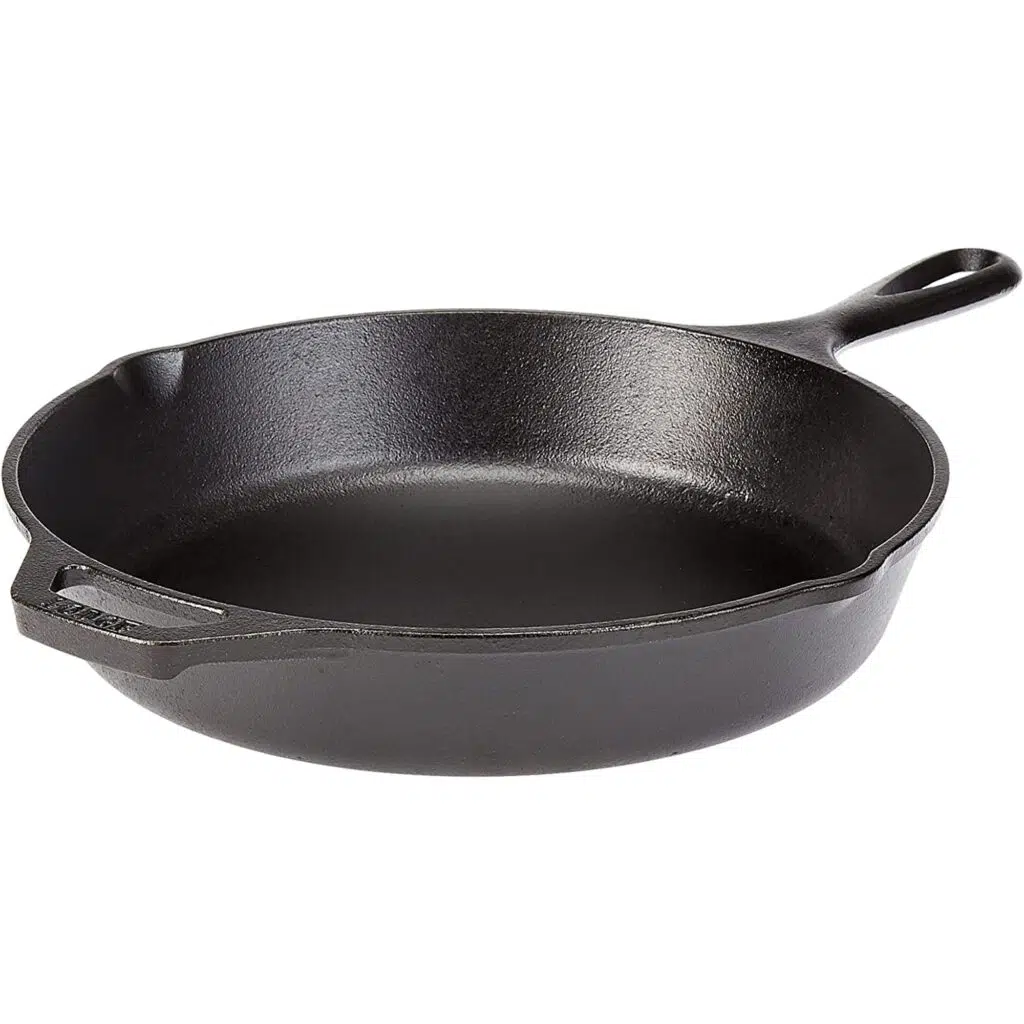
- In a large cast iron skillet, heat the vegetable oil over high heat. Add the roast and sear it 2 to 3 minutes per side, turning, until it is deeply coloured all around.
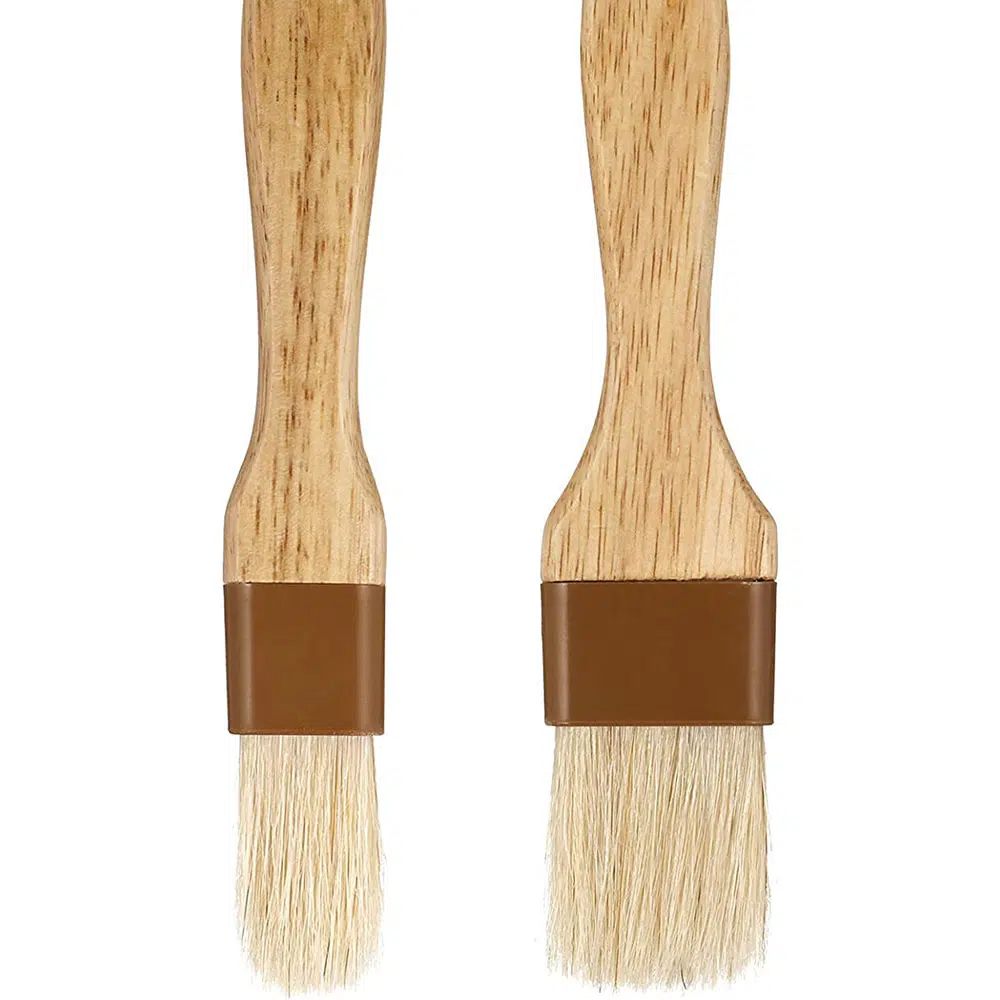
- Put the skillet straight into the oven, or transfer the roast to a small roasting pan. Cook for 35 to 45 minutes, basting with the reserved mixture every 10 minutes, until the internal temperature reads 140 °F (60 °C) for rare or 155 °F (68 °C) for medium.
- Transfer the roast to a plate and tent it loosely with aluminum foil. Let it rest for 10 minutes before slicing and serving.
Roasted baby potatoes
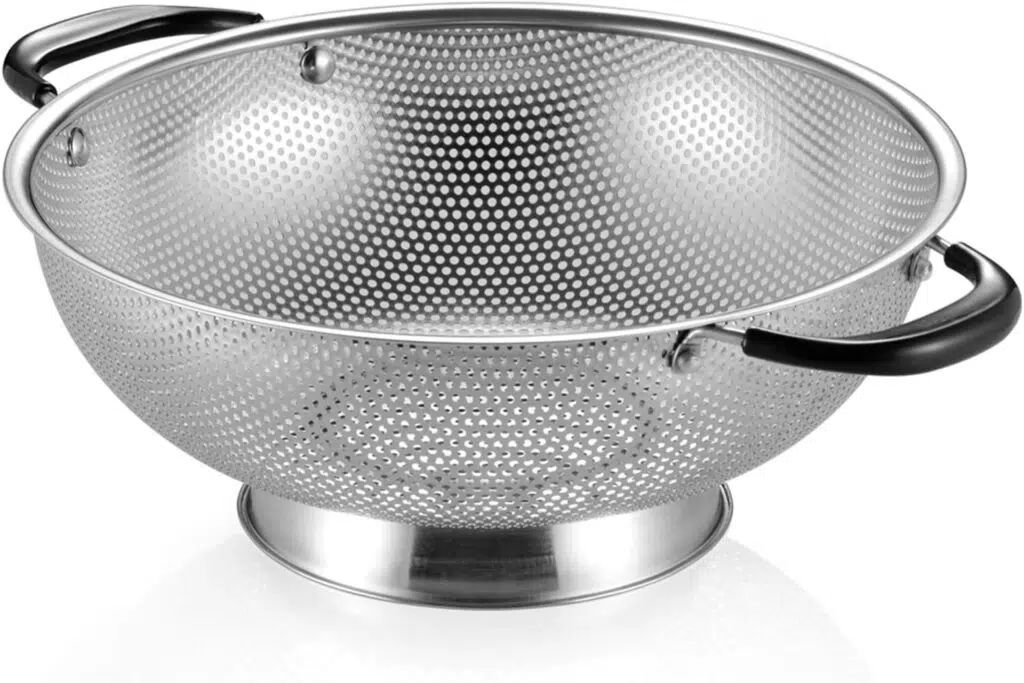
- Blanch the potatoes in boiling water for 7 minutes. Pour into a colander, rinse thoroughly with cold water and drain.
- Preheat the oven to 450 °F (230 °C).
- Spread the potatoes on a large baking sheet and, using the palm of your hand, crush them lightly.
- Drizzle generously with olive oil, then add the rest of the ingredients. Season with salt and pepper and toss to coat. Bake for 25 to 30 minutes, stirring halfway through, or until very crisp.
Maple Brussels sprouts
- Blanch the Brussels sprouts in boiling water for 10 minutes. Remove from the pot, rinse thoroughly with cold water and drain well.
- In a large skillet over high heat, add a good drizzle of olive oil followed by the Brussels sprouts. Season with salt and pepper and toss. Sauté for 5 to 8 minutes, stirring occasionally, or until well roasted.
- Add the maple syrup and toss. Continue cooking for about 2 minutes, stirring, to reduce until dry.
It is the centre section of the whole beef tenderloin, sold in one piece instead of being sliced into steaks. Same muscle as the medallions you order at a restaurant, same tenderness, just left whole so it can be roasted and carved at the table. Ask your butcher for it trimmed and tied.
Two stages, always. Sear the whole piece in a screaming hot cast iron skillet to build the crust, then finish it in a moderate oven where the heat comes in slowly from every side. Grilling alone scorches the outside before the centre is ready, and roasting alone gives you pale meat with no caramelization. The skillet makes the colour, the oven makes the doneness.
Because there is so little of it. The tenderloin is a muscle that barely works, tucked along the spine, and a whole steer yields only a few pounds of it. Scarcity plus the fact that it is the most tender cut on the animal is the entire explanation. It is also why overcooking one hurts so much.
It is the most tender cut of beef there is, and that is exactly its weakness. Tenderness comes from a lack of connective tissue and a lack of fat, which also means there is nothing in there to keep it juicy if you push it too far. Cooked to 140 °F (60 °C) it is silky. Cooked past medium it goes dry and grey fast.
The marinating part, absolutely. Whisk everything the night before and leave the roast in the fridge overnight, then bring it out 30 minutes before cooking. The cooking itself has to happen on the day. Leftovers keep three to four days in the fridge, but do not freeze them: thawing wrecks the texture.
Ads
Ads


Ads
Ads
Ads