

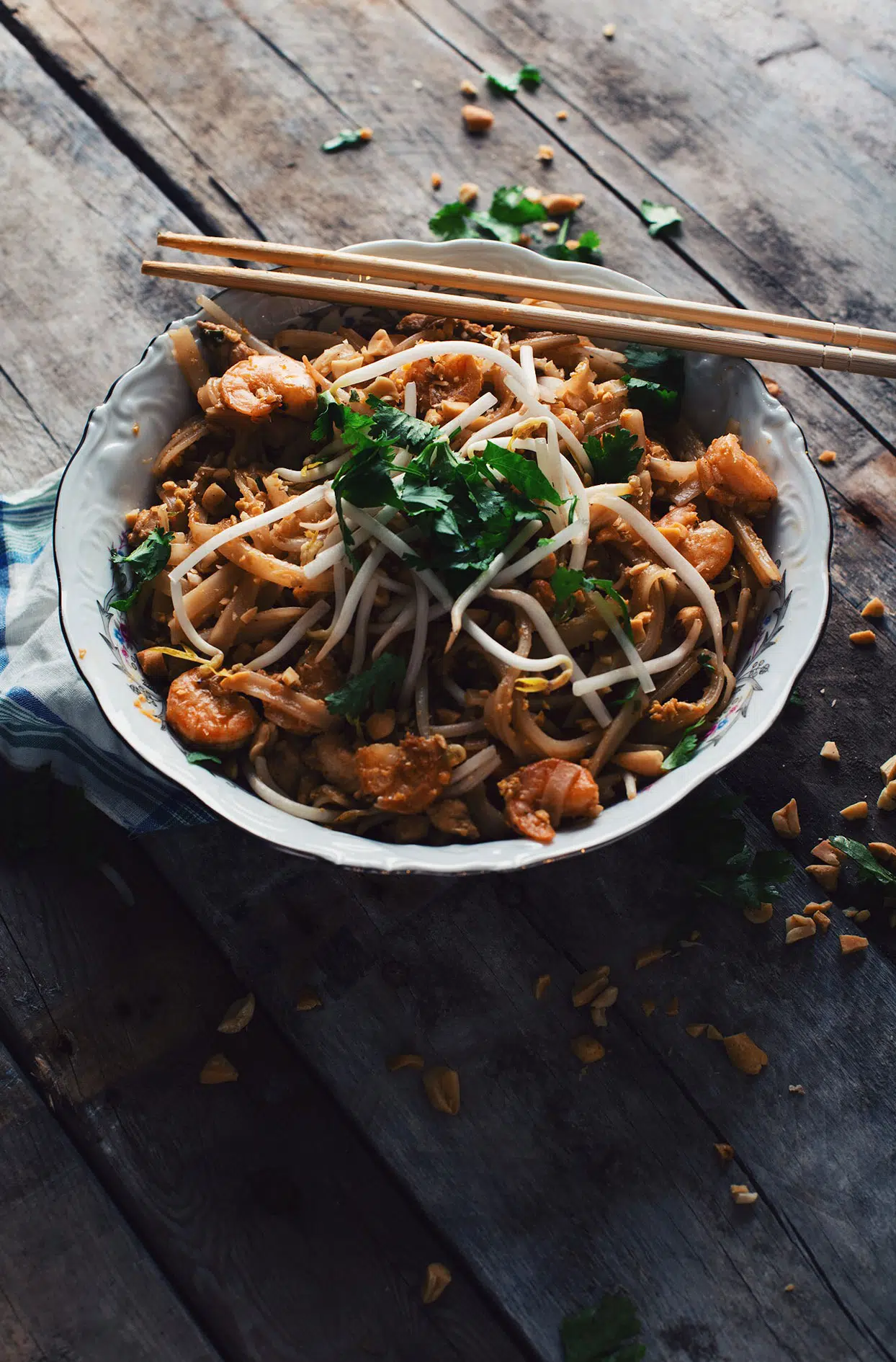
The best chicken and shrimp pad thai
- Preparation 25 min
- Cooking 20 min
- Servings 4
- Freezing I do not suggest
Ads
🍜 The recipe people keep asking me to make again
This chicken pad thai is one of the most clicked recipes on my site, and I don’t think that’s an accident. Years ago I found a Thai recipe with a base I couldn’t stop thinking about. I rebuilt it my way: ingredients you can actually find, a method that doesn’t leave you guessing, and a lot more sauce than the original called for. Every single person who has eaten it at my table has told me the same thing. Best pad thai of their life.
🔥 Built on a real Thai recipe, minus the tamarind
The bones of this one come straight from Thailand. A friend over there read my version and called it near perfect. His only note was the tamarind, and I left it out on purpose. Not everybody lives ten minutes from an Asian grocery store, and I want my recipes to work wherever you are. White vinegar carries the sour side just fine. If you do have tamarind paste in the cupboard, use it, and I explain exactly how further down.
🍽️ Better than takeout, and honestly easier
Homemade beats the restaurant here, and it isn’t close. At home you decide how long the noodles sit in the water, so they come out al dente instead of gummy. You decide how much sauce goes in, so nothing ends up dry at the bottom of the bowl. And the garnishes are cut minutes before they hit the plate: cilantro, crunchy bean sprouts, lime you squeezed yourself. Once everything is prepped, the whole stir-fry takes about twenty minutes at the stove. My kids ask for it every week.
Ads
Ads
🍜 Al dente noodles, always
This is where most homemade pad thai falls apart. Rice noodles soak for 4 minutes, not five, then straight into cold water to kill the cooking. You want them stiff enough to feel wrong in your hand. They finish in the wok, in the sauce, and that second cook is where they pick up all the flavour. Cook them through first and you get a gluey pile. Lucky Star and Three Ladies both work.
🥄 The sauce, and why there’s more of it here
White vinegar, fish sauce, brown sugar, chicken broth, sriracha. Sour, salty, sweet, hot, all four pulling at once. I make more of it than a traditional recipe does, on purpose, because I hate a pad thai where the last few noodles come out dry. Taste it before it goes in the wok and move it around: more sriracha for heat, more brown sugar if you like it sweeter.
🌿 Tamarind: the secret ingredient you don’t actually need
Ask anyone what the secret ingredient in pad thai is and they’ll say tamarind. They’re right, and I still left it out. If you have the paste, swap 1 tbsp of the white vinegar for 1 tbsp of tamarind paste loosened in 1 tbsp of hot water. It brings a rounder, fruitier sour note that vinegar can’t quite copy. That’s the difference between very good and textbook authentic. Without it the dish is still excellent, just a slightly different profile.
🦐 Shrimp: two or three minutes, then stop
Shrimp go in after the chicken, which needs its 4 minutes, and they only want 2 to 3 of their own. Pink and opaque, done. One minute past that and they turn rubbery, and there is no coming back. 21-30 or 31-40 count both work. Frozen is fine, and it’s what I use most weeks: thaw them in the fridge overnight, or 10 minutes under cold running water when I’ve forgotten, then pat them dry. Water on the shrimp drops the wok temperature and they poach instead of searing.
🔥 The wok has to be screaming hot
Real pad thai is a high-heat dish. The pan cooks things in seconds, which is exactly why the vegetables stay crunchy and bright. No wok? A big cast iron or carbon steel skillet does the job. Skip the nonstick, it doesn’t like that kind of heat. Keep things moving.
🌱 The garnishes are half the dish
I’m not exaggerating: the toppings are 50% of what makes this taste like pad thai. Fresh bean sprouts folded in at the very last second so they stay crisp. Crushed unsalted peanuts. Fresh cilantro. Green onions. Lime wedges to squeeze at the table. Leave any of those five out and what you’ve made is a bowl of stir-fried noodles, which is a fine thing, but it isn’t this. Put them out in small bowls and let everybody build their own.
🌶️ Dialing the heat up or down
2 teaspoons of sriracha in the sauce lands mild, family-friendly. Want fire? Go up to a tablespoon, or chop a fresh Thai chili into the wok with the garlic and ginger. Pulling the sriracha out entirely still gives you a great pad thai for younger kids. I keep a little dish of chili flakes on the table either way.
❄️ Leftovers, and the only good way to reheat them
Airtight container in the fridge, 3 days. Reheat in the wok over high heat with a teaspoon of oil and the noodles come back to life. The microwave turns them rubbery, so don’t. Freezing doesn’t work either, the noodles go mealy on the thaw. Cold-ish next-day pad thai for lunch is genuinely one of the better things about making a big batch.
🍽️ What to serve with chicken and shrimp pad thai
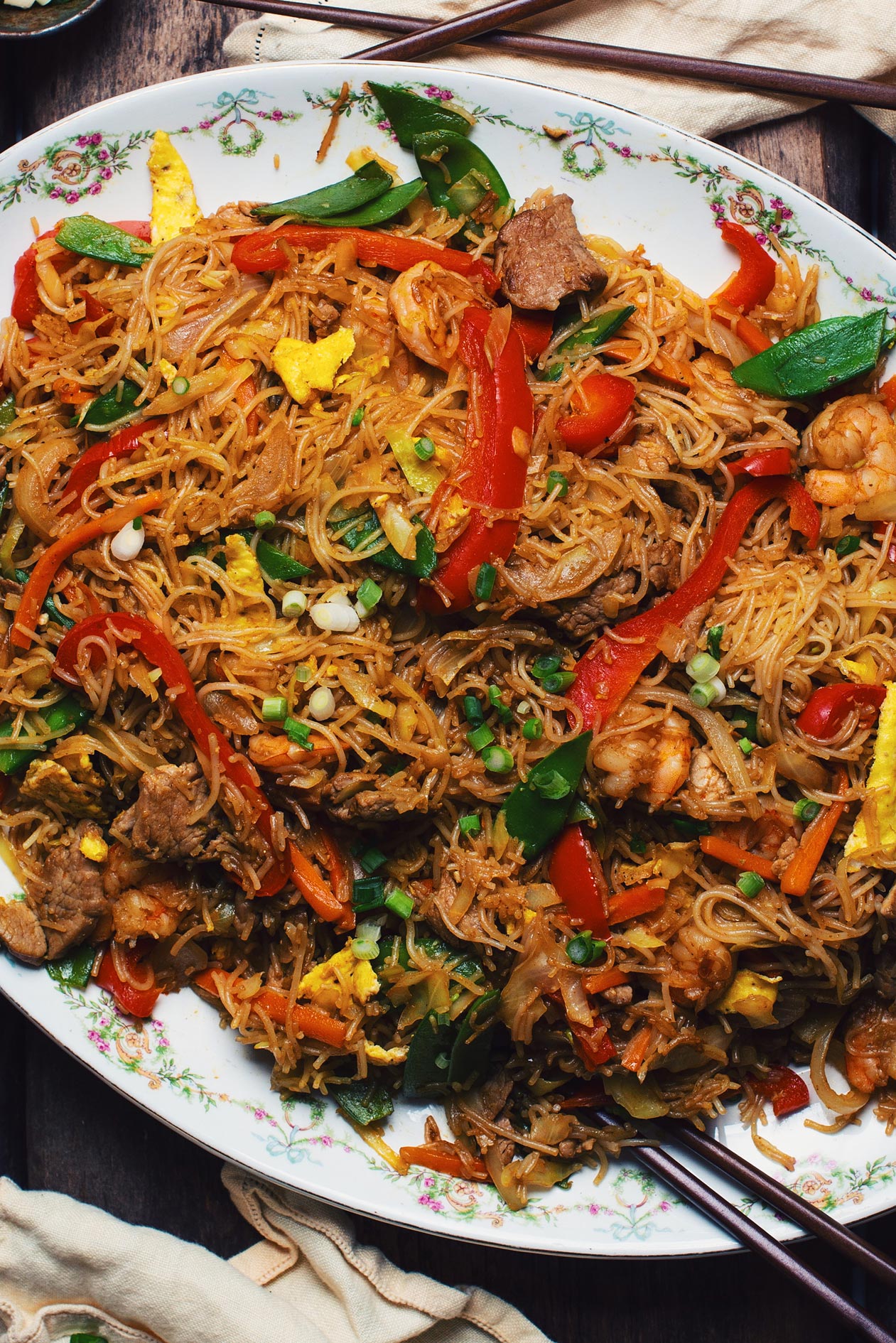
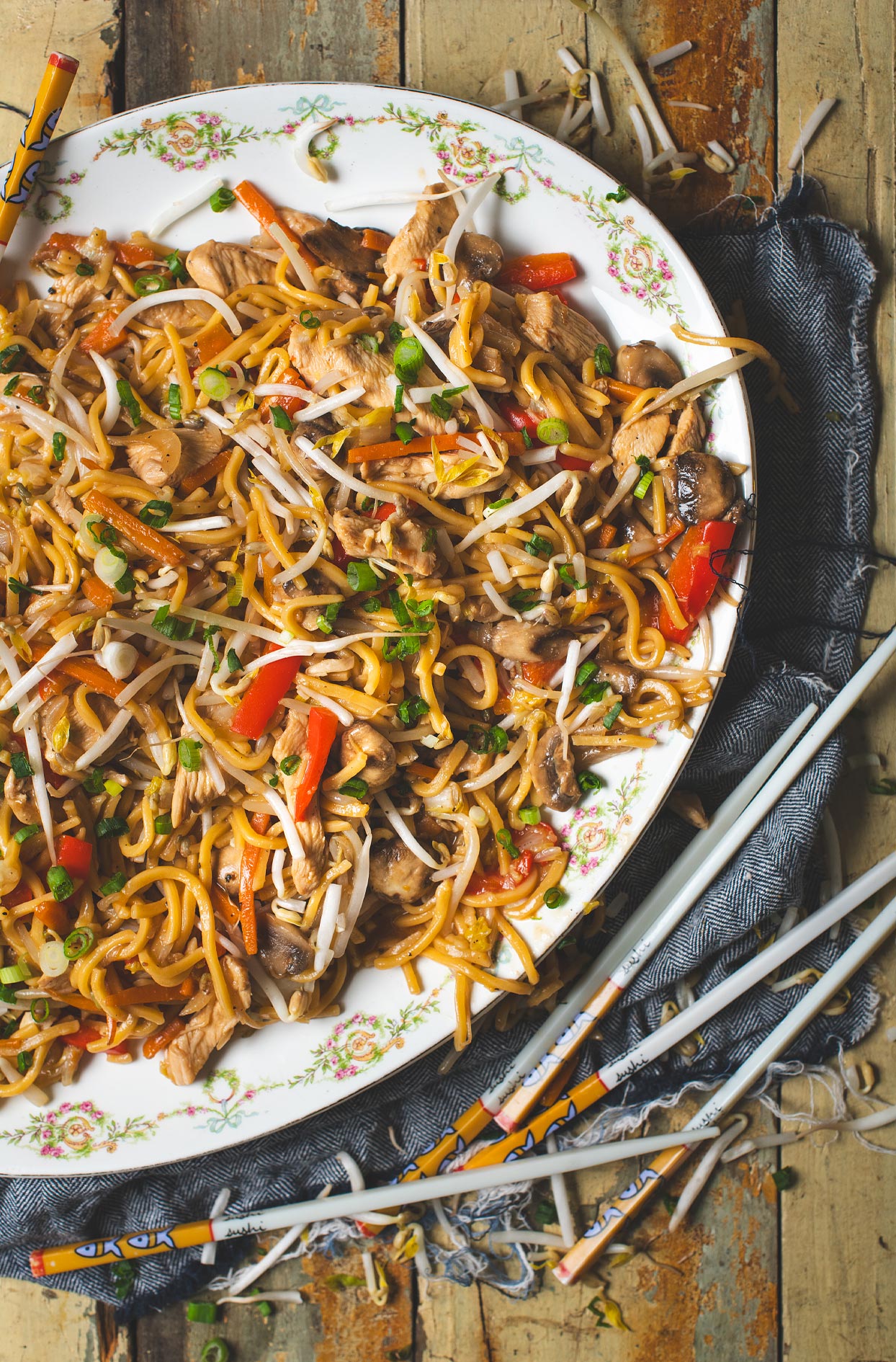
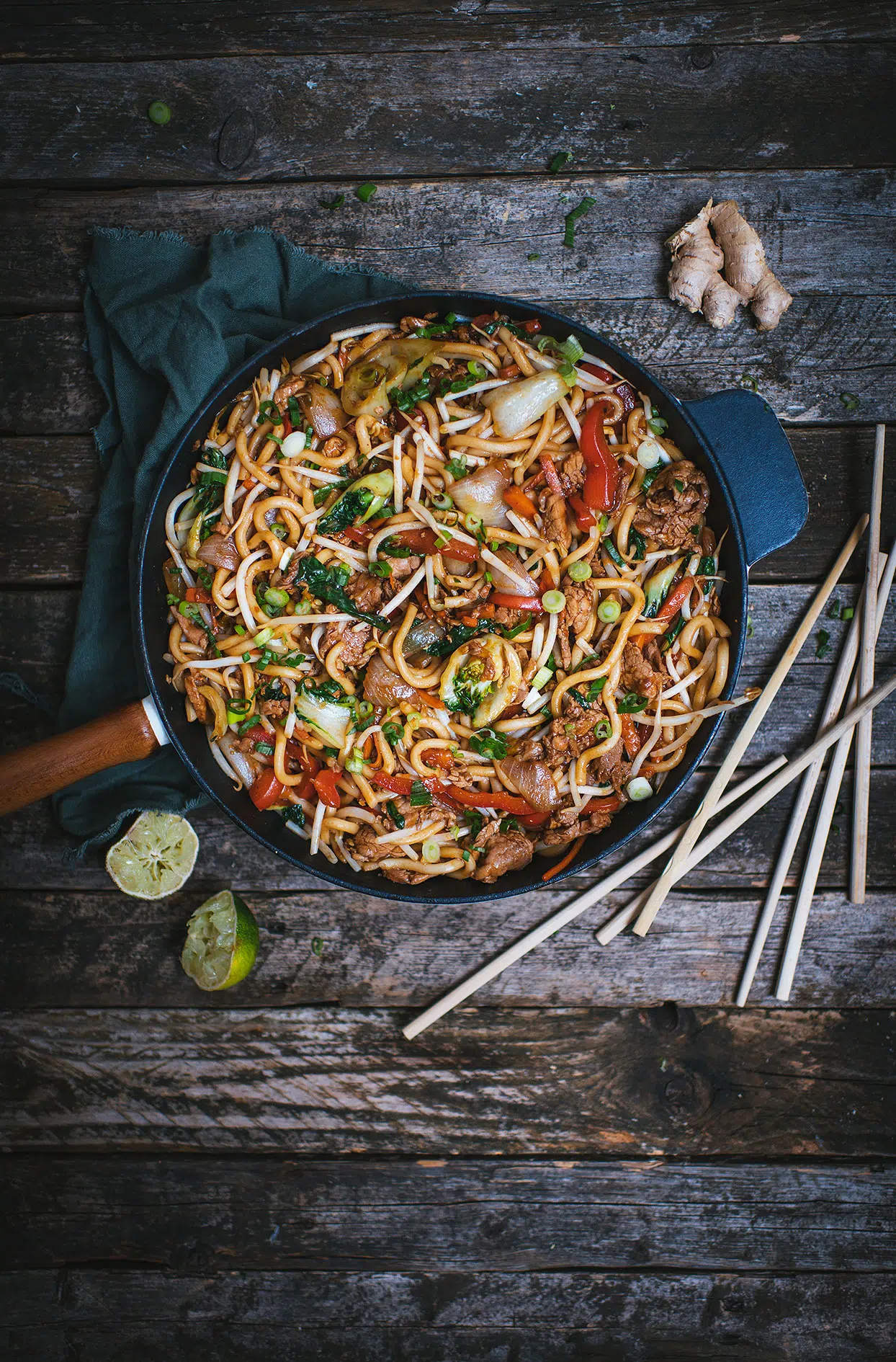
It’s a full meal on its own, so most nights nothing else is needed. When I’m feeding a crowd I put out spring rolls to start and a green papaya salad for the sharp, sour contrast. A bowl of Thai chicken soup with coconut milk ahead of it makes a proper Thai spread. And if you’re building a whole noodle night, my Singapore noodles and my chicken pad see ew sit beside this one without fighting it. Jasmine rice on the side for the very hungry.
Ads
Ingredients
- 1 package (1 lb / 450 g) pad thai rice noodles, linguine width
- 12 oz (350 g) boneless skinless chicken breast, cut in very small pieces
- 1 tbsp (15 ml) soy sauce
- About 1 tbsp (15 ml) vegetable oil
- 4 green onions, thinly sliced
- 1 1/2 tsp (7.5 ml) fresh ginger, grated
- 4 garlic cloves, finely chopped
- 20 raw shrimp (21-30 count), peeled and deveined, tails off
- 2 eggs
- 2 cups (500 ml) bean sprouts
- 1/3 cup (80 ml) unsalted skinless peanuts, chopped
- A handful of fresh cilantro, coarsely chopped
- 4 lime wedges (or more)
Ingredients for the Pad Thai sauce
- 3 tbsp (45 ml) white vinegar
- 1/2 cup (125 ml) chicken broth
- 1/2 cup (125 ml) fish sauce (nuoc mam)
- 1/2 cup (125 ml) brown sugar
- 2 tsp (10 ml) sriracha
- Ground pepper, to taste
Ads
Preparation
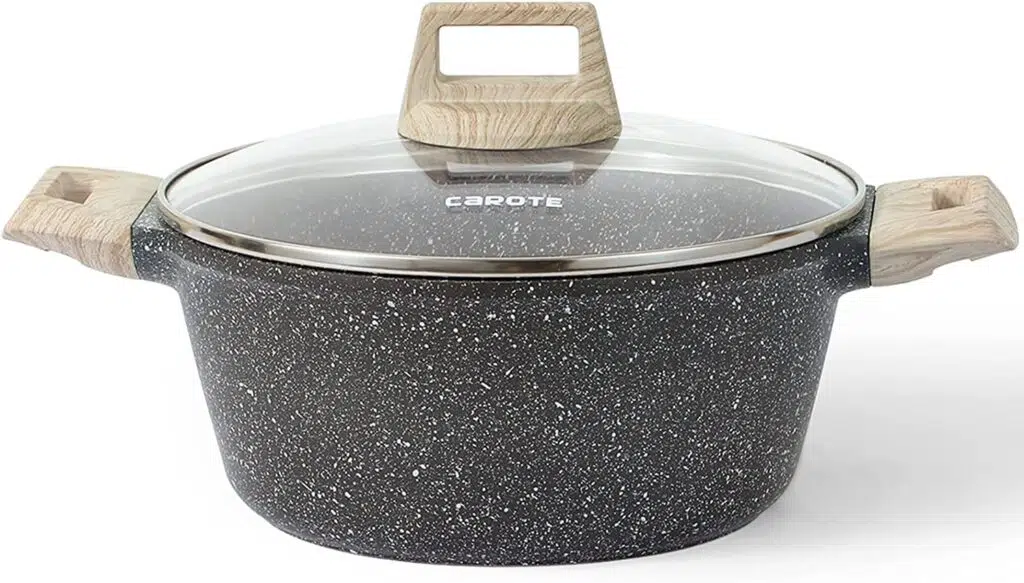
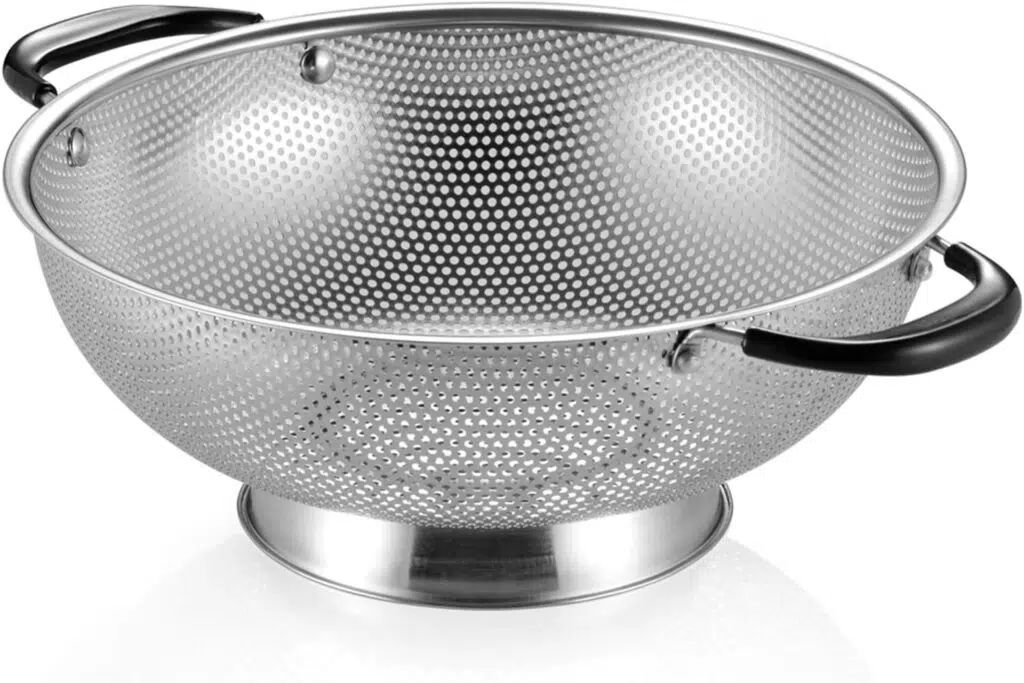
- Bring a large pot of water to a boil. Drop in the rice noodles, pull the pot off the heat and let them soak 4 minutes, maximum, stirring often. Dump them into a colander and rinse under cold water right away. Drain and set aside. They should still have a bite to them, because they finish cooking in the wok later.
- Put the chicken in a bowl, add the soy sauce, stir to coat and set aside.
- In a large measuring cup or bowl, stir together all the pad thai sauce ingredients until the brown sugar dissolves. Set aside.
- Heat the vegetable oil in a big wok or skillet over medium-high. Add three quarters of the green onions with the garlic and the ginger. Cook about 1 minute, stirring now and then.
- Add the chicken and cook 4 minutes, stirring often. Add the shrimp and cook another 2 to 3 minutes, until they turn pink and opaque. Add a splash more oil if the pan looks dry.
- Push everything to the sides, crack the eggs into the middle and cook about 1 minute, stirring to break them up and fold them through.
- Add the noodles with roughly a third of the sauce. Toss often until the noodles drink it up, then add the next third, then the last. Figure 5 to 7 minutes total. Off the heat, fold in the bean sprouts gently.
- Divide between 4 bowls and pile on the chopped peanuts. Scatter the rest of the green onions and the fresh cilantro over top.
DO NOT SKIP THIS: serve with a lime wedge (or two) and squeeze it over everything right before the first bite.
Pad thai (ผัดไทย, literally “Thai stir-fry”) is one of Thailand’s national dishes. It’s a rice noodle stir-fry with egg, bean sprouts, peanuts and lime, all coated in a sour-sweet-salty sauce built on fish sauce, tamarind, palm sugar and chili. It was pushed into Thai kitchens in the 1930s and 40s by the government of the day, partly to build a national identity and partly to cut down on rice consumption. Today it’s the Thai dish the rest of the world knows best, and it’s on the menu of pretty much every Thai restaurant in North America.
Six things make a pad thai: (1) flat pad thai rice noodles, roughly linguine width; (2) the sauce, which is fish sauce plus vinegar or tamarind, plus brown or palm sugar, broth and chili; (3) a protein, chicken and shrimp being the classic pairing, though tofu or beef work; (4) scrambled egg folded straight into the pan; (5) aromatics, meaning garlic, ginger and green onion; (6) fresh garnishes: bean sprouts, crushed peanuts, cilantro and lime. Tamarind is the traditional sour note, but my version leans on white vinegar and loses nothing worth missing.
The answer everyone gives is tamarind, and it’s the honest one: that fruity, tangy backbone is what separates restaurant pad thai from a generic noodle stir-fry. But yes, you can absolutely make pad thai without tamarind. White vinegar covers the acidity, and with the fish sauce and brown sugar around it the balance lands in the same place. If you want the real thing, swap 1 tbsp of vinegar for 1 tbsp of tamarind paste dissolved in hot water. Both versions are on this page, and I’ve served both to people who couldn’t tell you which was which.
Use flat dried rice noodles, the ones labelled pad thai or banh pho, about the width of linguine. Not vermicelli, not egg noodles. Then three rules keep them from turning to paste: (1) soak them 4 minutes maximum in water that’s been pulled off the heat, not a second more; (2) rinse them cold immediately to stop the cooking dead; (3) add them to the wok last, with the sauce, and toss hard over high heat for 5 to 7 minutes so they absorb everything without overcooking. Leave them sitting in hot water and no wok technique on earth will save them.
Both work, and I use frozen most of the time. Fresh tastes marginally better and costs noticeably more, and depending where you live it isn’t always sitting at the counter. Frozen raw peeled, 21-30 or 31-40 count, is my default: thaw overnight in the fridge, or 10 minutes under cold running water when I’ve planned badly. The part people skip is drying them. Pat them with paper towel before they hit the wok, because that leftover water drops the pan temperature and you end up poaching shrimp instead of searing them.
Homemade, it’s more balanced than its reputation: protein from the chicken, shrimp and eggs, carbs from the rice noodles, good fats from the peanuts, and real vegetables in the bean sprouts, green onion, cilantro and lime. The two things to watch are the brown sugar and the sodium in the fish sauce. Pulling both back by about a quarter gives you a lighter version that still tastes right, and that’s often how I make it. Restaurant pad thai is usually oilier and sweeter than what you’ll make at home, and at home you control the portion.
It takes any protein you throw at it. Vegetarian: swap the chicken and shrimp for 400 g of firm tofu, cubed and browned 5 minutes in the wok first. Beef: 350 g of flank or skirt, sliced thin against the grain, 2 to 3 minutes and out. Shrimp only: double the shrimp to 40 and drop the chicken entirely. Vegan: tofu, and replace the fish sauce with soy sauce plus a teaspoon of miso paste for the umami. Nothing else in the recipe changes.
Pad thai is a complete plate, so plenty of nights it goes out alone. For a bigger Thai spread: (1) spring rolls to start, fresh or fried; (2) green papaya salad, som tam, for the sharp sour cut against the sweetness; (3) a tom yum or tom kha gai soup alongside; (4) jasmine rice if you’re feeding teenagers; (5) edamame with drinks beforehand. To drink, an off-dry Riesling calms the chili down, or a crisp pilsner if you’d rather have beer in your hand.
Ads
Ads

Ads
Ads
Ads