

Alfredo Sauce Recipe (Homemade)
- Preparation 5 min
- Cooking 8 min
- Servings 4
- Freezing Absolutely
Ads
🍝 Stop buying this in a jar. Seriously.
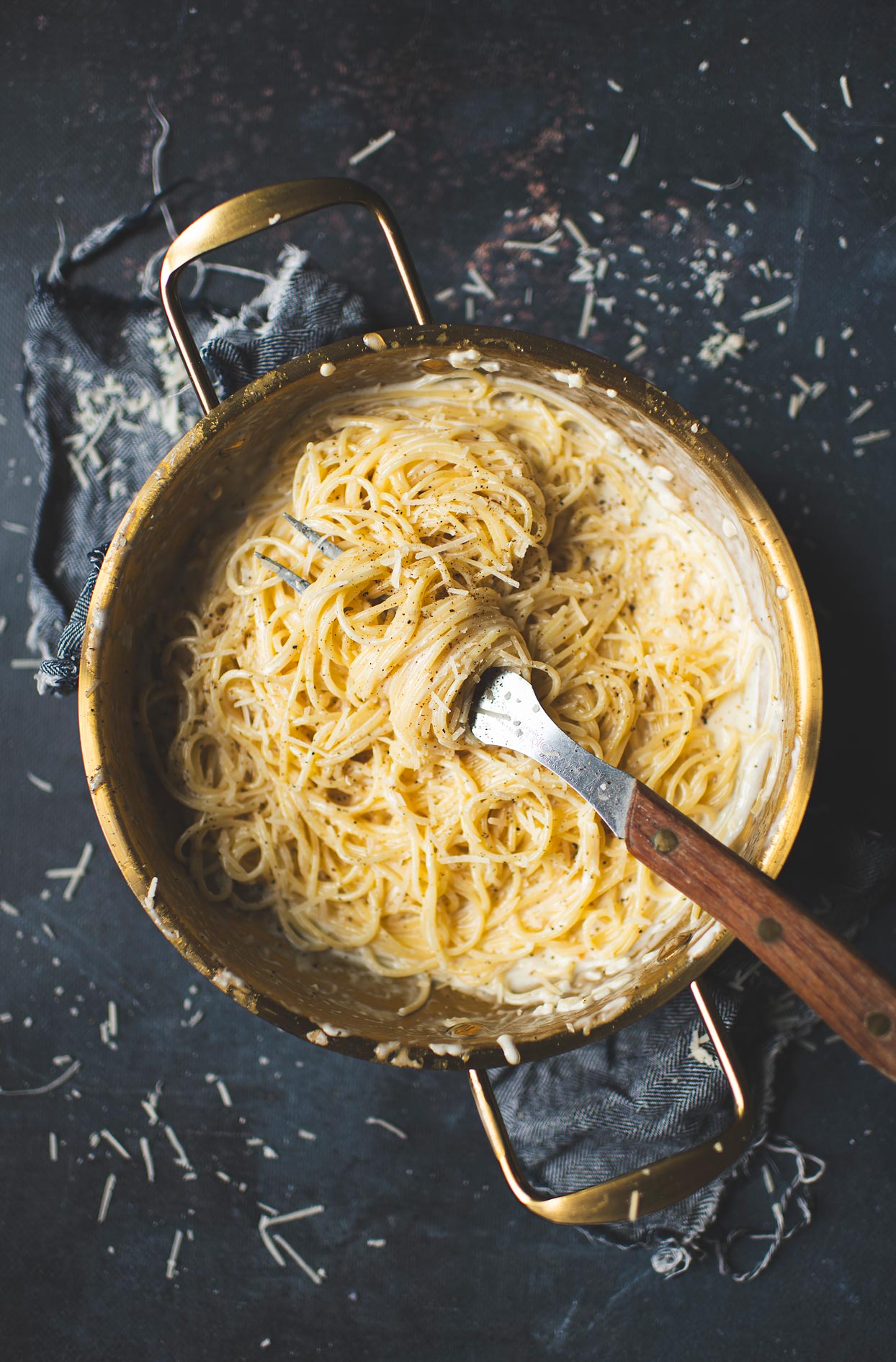
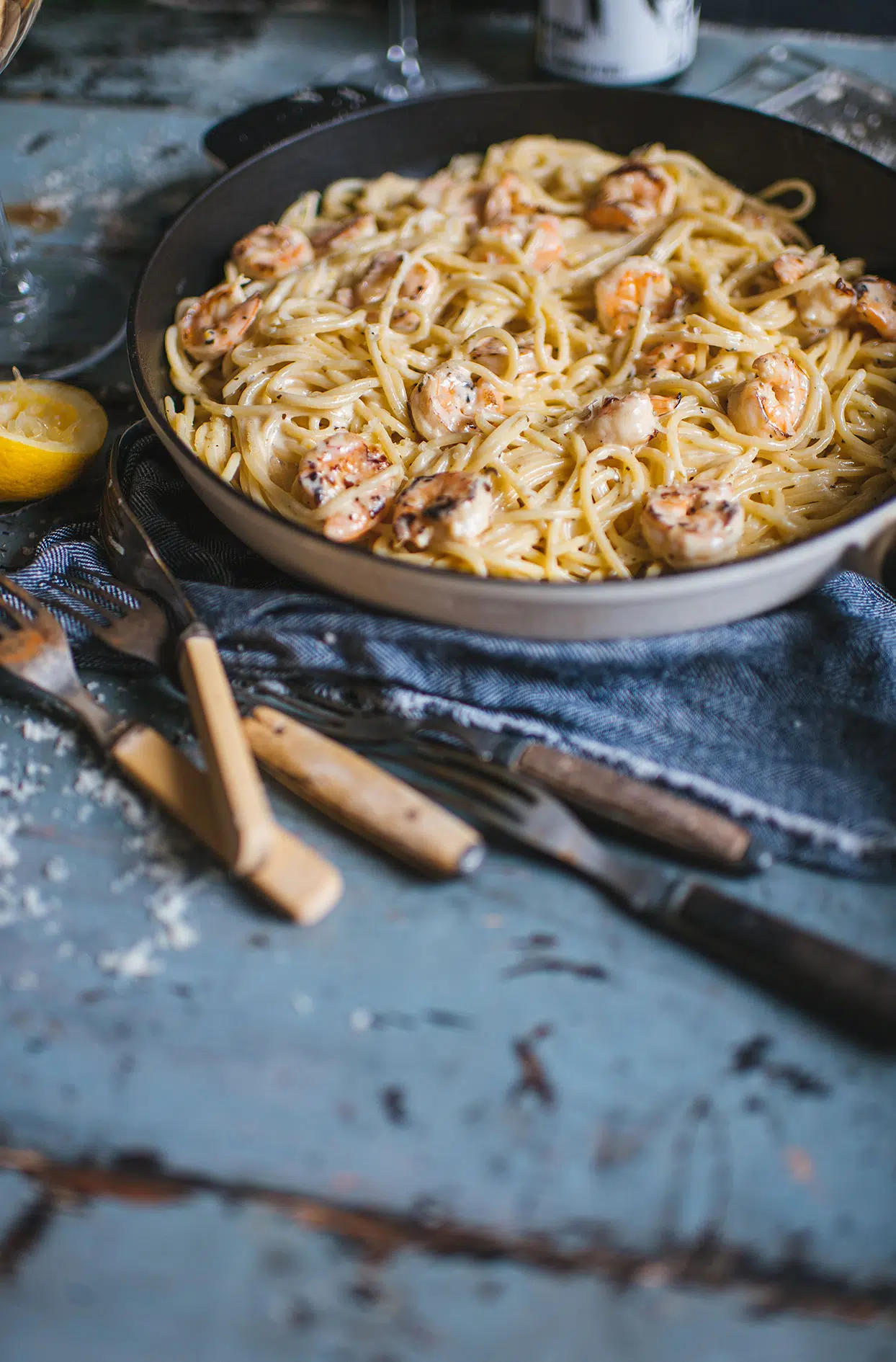
Eight minutes. That’s all it takes, and it beats any jar on the shelf! Even if you don’t cook, even if you’ve never made a sauce in your life, you can make this one. Butter, garlic, cream, parmesan. You whisk, and it’s done. Pile a TON of parmesan on top with fresh cracked pepper, throw in some shrimp if you feel like it, and watch the person across the table decide they’re coming back for dinner.
🧀 Season it hard or it tastes like nothing
This is the trap with cream sauces: they look rich, but without salt they taste like warm butter. Salt the pasta water properly, like the sea, and then salt the sauce again after tasting it. A dish built on flavours like these needs real seasoning, or all the cream and cheese in the world won’t give you anything. It’s genuinely creamy, genuinely cheesy, and it tastes exactly like it looks.
🧄 Garlic goes into the butter first, never after
The classic recipes don’t even include it, which I think is a shame. At my place the garlic spends a minute in the hot butter BEFORE the cream, just long enough to perfume the fat. That’s how it spreads through the whole sauce instead of staying as little crunchy bits. This sauce needs garlic, no question. And you’ll taste the nutmeg, so don’t skip it.
Ads
Ads
🧀 Grate the parmesan yourself or it turns grainy
This is the number one cause of gritty alfredo. Pre-shredded parmesan is coated in cellulose to stop the pieces sticking together in the bag, and that coating refuses to melt. You get little grains floating instead of a smooth sauce. Buy a wedge, grate it yourself, and the problem simply doesn’t exist.
🔥 Lowest heat when the cheese goes in
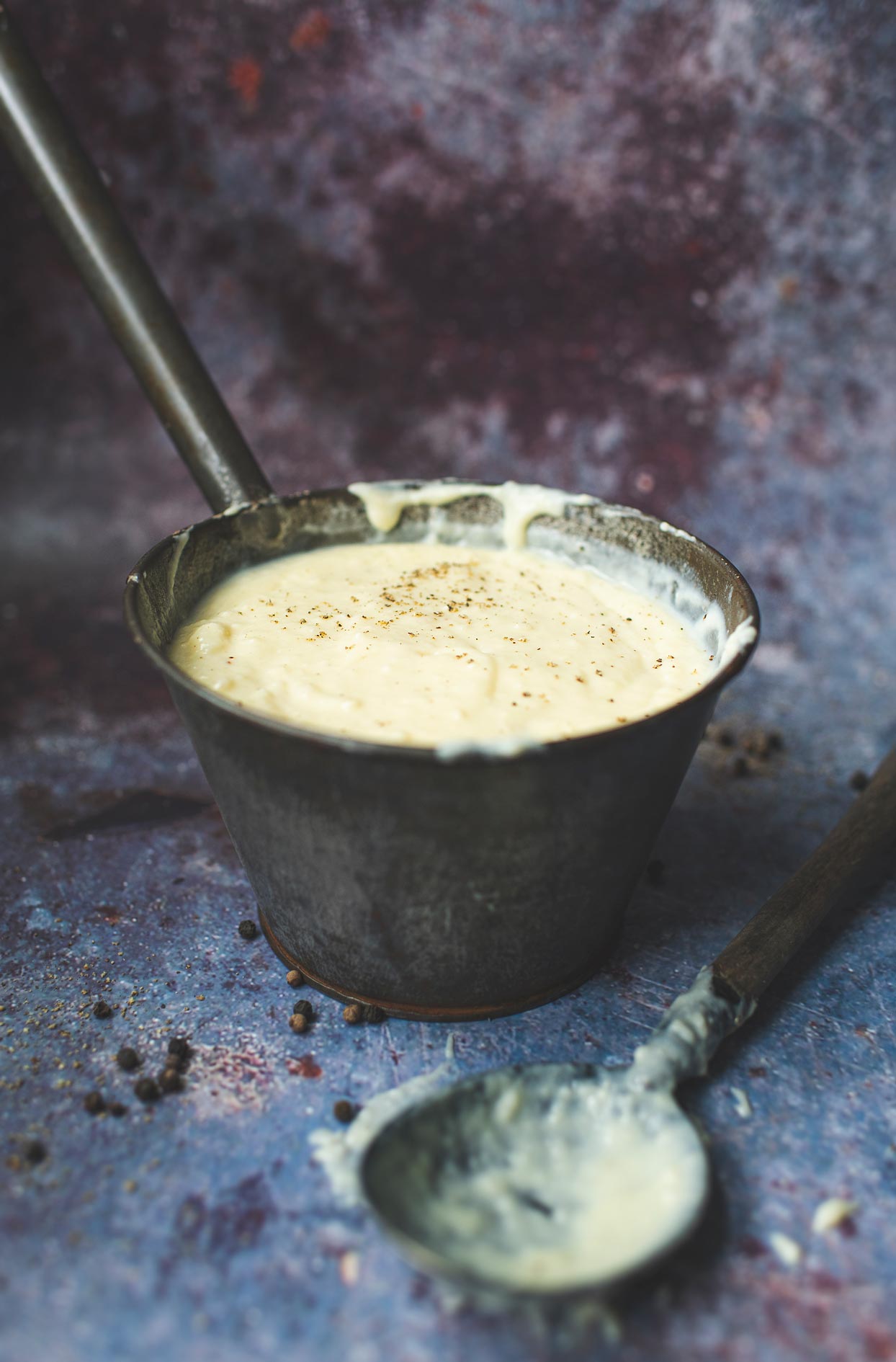
Add the parmesan over the lowest heat you have, in two or three additions, whisking constantly. Over high heat the cheese proteins tighten and it breaks into greasy strands instead of melting into the cream. Take your time here. It’s thirty extra seconds, and it’s the difference between silky and grainy.
🥄 Save pasta water, just in case
Before draining, set a cup aside. You might not need it, but if your sauce reduced too far or your pasta drained too well, that’s what saves it. Add it a few tablespoons at a time, never all at once. It’s loaded with starch, so it loosens the sauce without watering it down the way tap water would.
🍝 Pasta goes into the sauce, never the other way
Don’t pour sauce over a plate of pasta. Tip the drained pasta straight into the pan of sauce and toss. Put it back over low heat for a minute so it binds. Exactly how long depends on how well you drained the pasta, so watch it: you want the sauce coating every strand instead of pooling at the bottom of the bowl.
🧂 Salt more than you think
Salt the pasta water properly, then taste the sauce and salt it again. A cream and cheese sauce needs salt to wake the flavours up, and this is the mistake people make most often. Under-salted, it tastes like warm butter and you’re left wondering what’s missing. The cracked pepper at the table isn’t decoration either, be generous with it.
📅 Getting ahead
This sauce doesn’t get made ahead, and you shouldn’t try: it takes eight minutes and it’s at its best the second it leaves the pan. The prep, though, can be done entirely in advance. Garlic minced in a small labelled container, parmesan grated and kept cold, cream measured, butter weighed. Come dinner you put the water on and supper is ready before the pasta finishes. It’s exactly the kind of dish you cook with people standing in the kitchen.
🫙 Three to four days, and one reheating trick
It keeps three to four days refrigerated in an airtight container. I don’t freeze it: a cream sauce comes out of the freezer grainy and split, and it isn’t worth it. To reheat, do it with the pasta already in it, in a skillet or the microwave, adding a little milk and stirring well. Without that extra liquid it tightens up and separates.
✅ What to serve with my homemade alfredo sauce
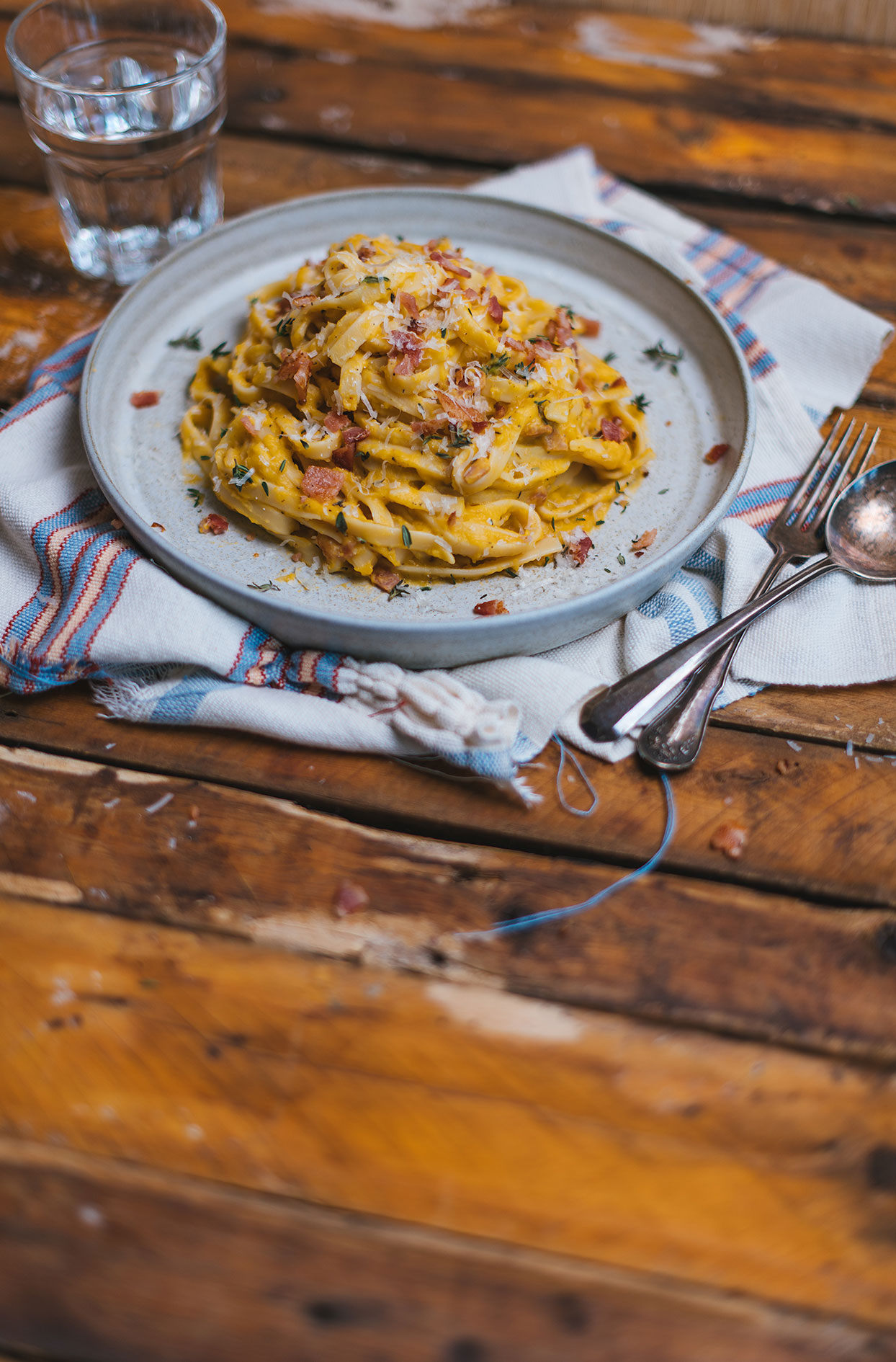
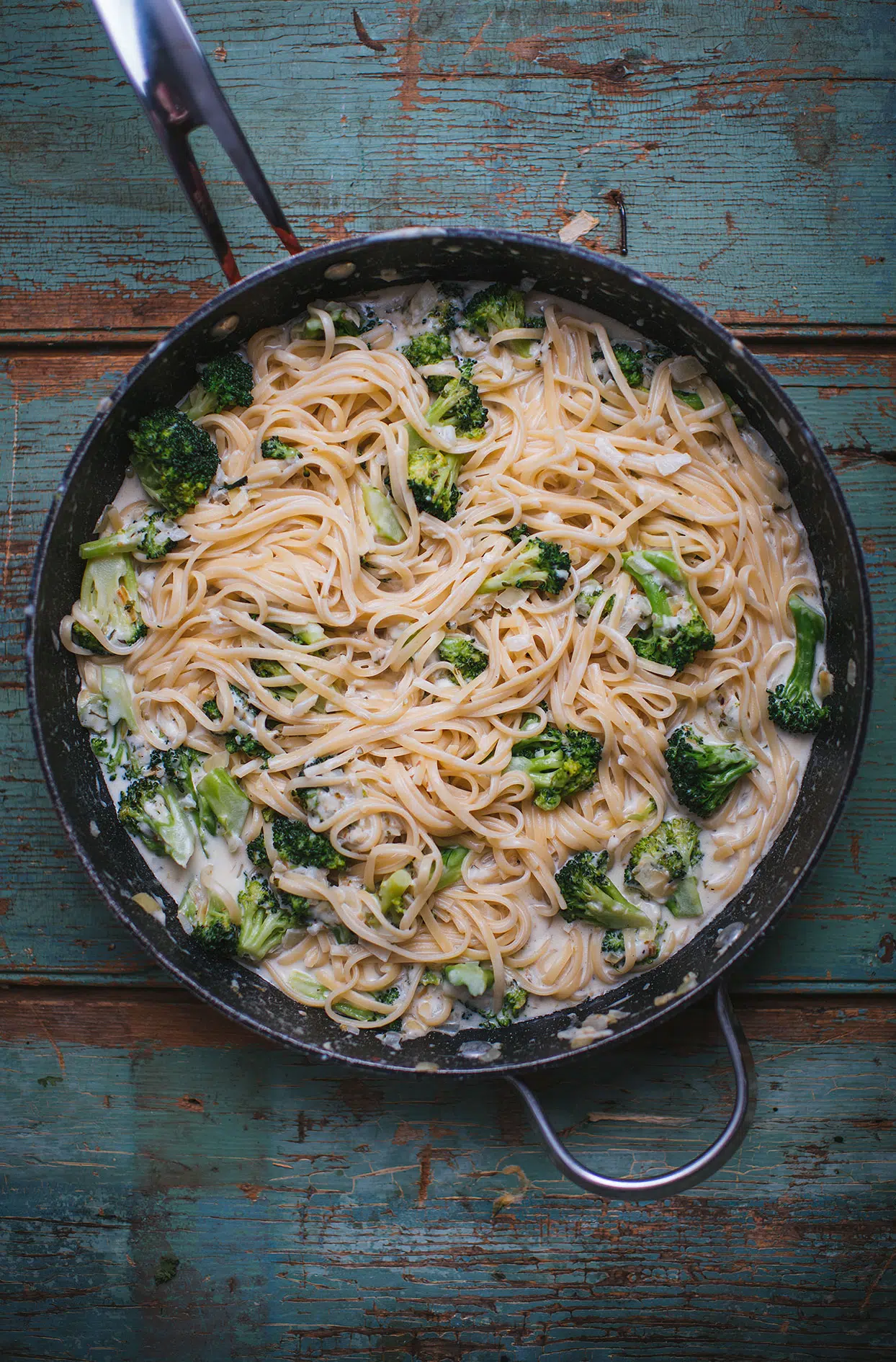
I served mine over spaghettini, but any long pasta works: linguine, fettuccine, tagliatelle. Honestly, use whatever pasta you feel like, that’s the beauty of it. Sautéed shrimp stirred in at the end turn it into a celebration supper with no extra effort. If you want a version already built around a fall vegetable, look at my fettuccine alfredo with roasted acorn squash, and if it’s the other great white sauce you’re after, my classic bechamel sauce is the base for all the rest.

Ads
Ingrédients
- 3 tbsp (45 ml) butter
- 4 garlic cloves, finely chopped
- 1 cup (250 ml) 35% cream
- 1 cup (250 ml) freshly grated parmesan
- ¼ tsp (1 ml) ground nutmeg
To serve
- 1 lb (454 g) long pasta
- Freshly grated parmesan, generously
- Cracked black pepper
Ads
Preparation
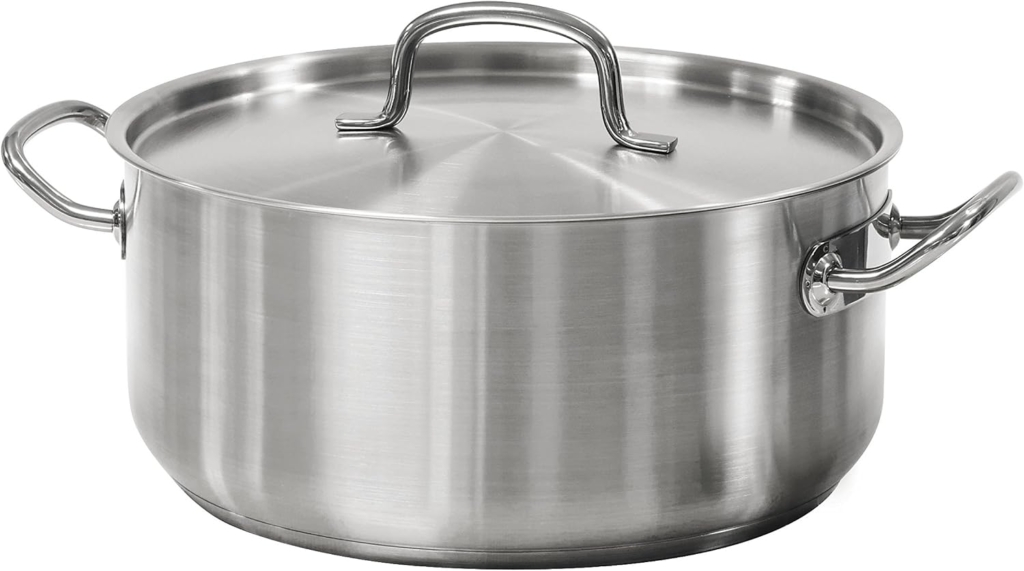
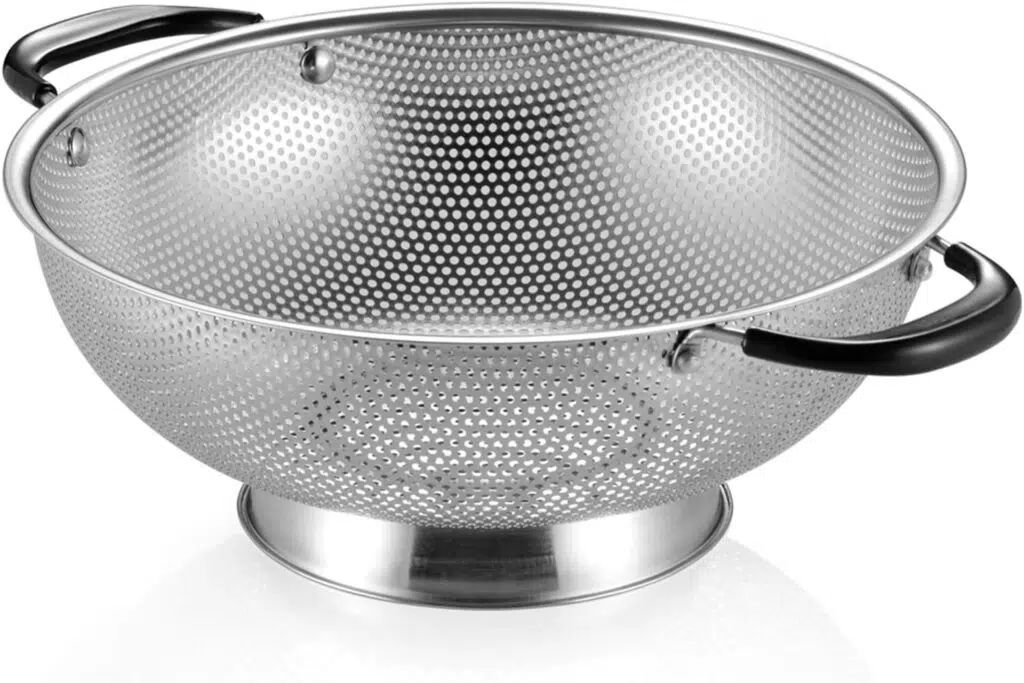
- Bring a large pot of well-salted water to a boil and cook the pasta al dente according to the package. When you drain it, keep a little pasta water aside, just in case.
- Meanwhile, melt the butter in a saucepan over medium-low heat. Add the garlic and cook for about 1 minute, stirring, just long enough to perfume the butter without colouring it.
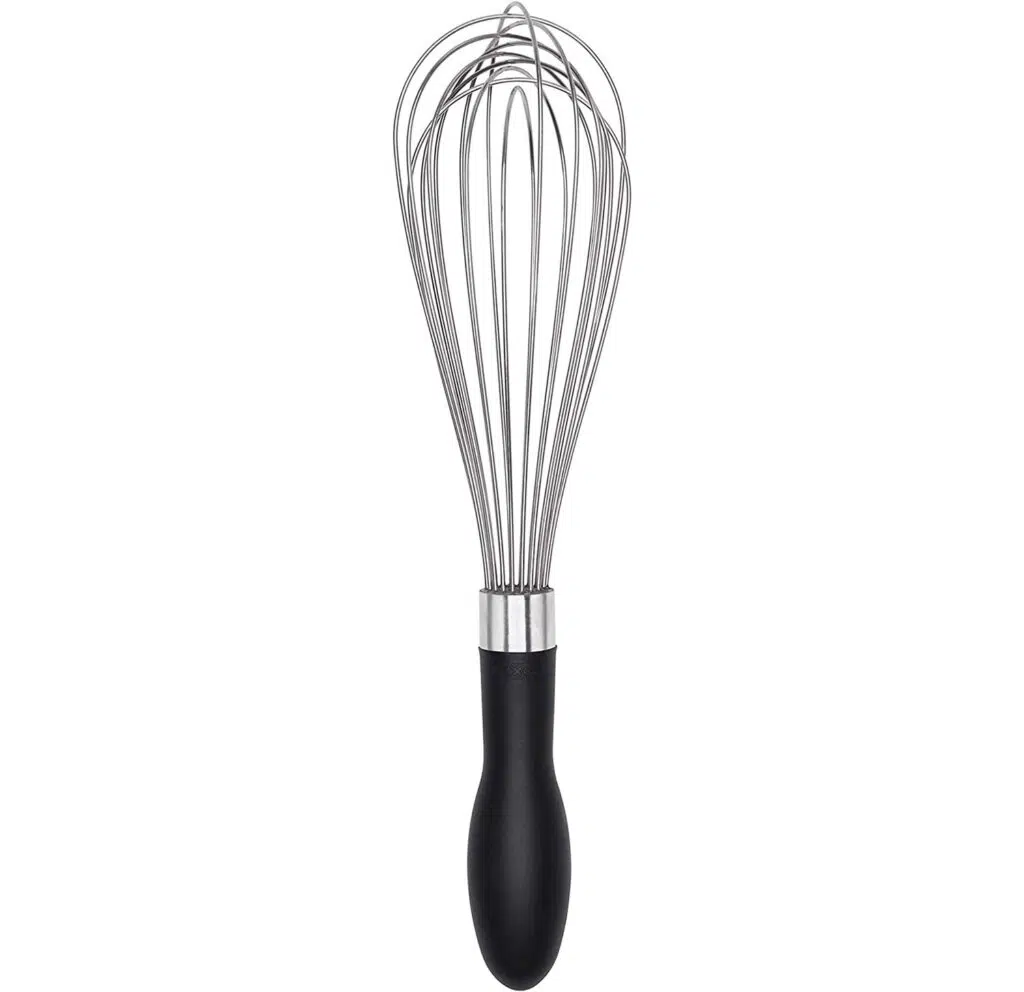
- Pour in the cream and let it simmer for 5 minutes, whisking often, until it thickens slightly.
- Turn the heat to its lowest setting. Add the parmesan in two or three additions, whisking constantly, until it has completely melted and no lumps remain.
- Take off the heat, stir in the nutmeg, then season generously with salt and pepper, tasting as you go.
- Tip the drained pasta straight into the sauce and toss to coat. Return to low heat for about 1 minute so everything comes together. If the sauce is too thick, loosen it with a little of the reserved pasta water.
- Serve right away, topped with plenty of freshly grated parmesan and cracked pepper.
The original, made by Alfredo di Lelio in Rome, is butter and parmesan melted straight onto hot pasta with a splash of pasta water. Not a drop of cream. The creamy version everyone knows is a North American adaptation, and that’s the one I’m making here, because it’s the one people actually want. I own that completely, but you should know where it comes from.
In mine, five: butter, garlic, 35% cream, freshly grated parmesan and a pinch of nutmeg. Plus salt and pepper, generously. That’s it. No flour, no roux, no cream cheese, unlike plenty of recipes that try to thicken things on the cheap. The body comes from cream reducing and cheese melting into it.
Two causes, almost always. First: pre-shredded parmesan, coated in an anti-caking agent that won’t melt. Second: too much heat when the cheese goes in, which tightens its proteins and squeezes the fat out. Grate a wedge yourself, drop the heat to its lowest setting, add the cheese in two or three additions and whisk constantly. If the damage is done, a splash of hot pasta water and hard whisking often rescues it.
You can, but it isn’t the same sauce. Lighter cream has less fat, so it thickens less and it’s far more likely to split if you let it boil. If you go that route, simmer it a little longer and be even more careful with the heat when the cheese goes in. I use 35% and I’d recommend it, that’s what gives you a coating texture with no effort.
Any long pasta. Fettuccine is the classic match, but I made mine with spaghettini and it was perfect. Linguine, tagliatelle, bucatini, all of it works. The rule that matters is length: a creamy sauce clings better to a long surface than to elbows. This batch coats a full pound easily.
Three to four days in an airtight container in the fridge. I don’t freeze it: a cream sauce comes back grainy and separated, and the result is never as good. To reheat, do it with the pasta already mixed in, in a skillet or the microwave, adding a little milk and stirring well. That extra liquid keeps the sauce from tightening.
Ads
Ads

Ads
Ads
Ads