Risotto is butter and parmesan stirred into rice until it's coated. Each spoonful weighs a little more than the last. Creamy, delicate, and a fair bit heavier than it looks. A beer that's too soft gets absorbed without a trace.
You need lightness and a little acidity. We pour a witbier: light despite its wheat, with orange zest and coriander that travel through the cream, and almost no bitterness so it doesn't break the rice. Saison is second. For wine, an Alsace Pinot blanc, or a Chardonnay.
The classic with parmesan doesn't call for what mushrooms or seafood call for. The page has a beer and wine pairing for each of these kinds, and our risotto recipes are below.
This witbier stays light despite its wheat body, and that's exactly what you need against butter and parmesan. Its orange zest and coriander cut through the creaminess with every sip and put a little movement back in the bowl. Almost without bitterness, it leaves the rice alone. The risotto stays rich, but your mouth doesn't get tired!
The saison is dry and peppery, with a yeast that bites, where the witbier is round and wheaty. Go for it if the risotto is rich in parmesan or has mushrooms, or if you want a beer that cuts the creaminess.
This Alsace pinot blanc, with notes of apple, pear and almond, has a medium body and a soft but very present acidity. A risotto that gets heavier with every spoonful calls for a wine that refreshes without making noise: it cuts the butter and parmesan without breaking the delicacy of the rice. A spoonful, a sip, and on you go!
Chardonnay is rounder and fatter, with ripe apple and a little butter. Go for it if your risotto has saffron, burrata or duck confit: it has the body to keep up with the richness of the dish.
A gin sour is gin and lemon, softened, with a silky foam of egg white. Classic parmesan risotto is rich in butter and cheese, very creamy: the acidity of the lemon lightens the rice, and the foam goes with its texture. A dinner drink among friends. Serve it very cold, with a lemon zest.
This saison has a peppery yeast, a light hop and a lot of dryness. Mushrooms add an earthy taste to rice that's already creamy: the dryness cuts the cream, and the pepper in the yeast meets the earthy side of the mushroom, which brings out its flavour rather than the butter's. A fall risotto, finally light!
The amber ale is malty and caramel: it follows the earthy taste of the mushrooms and the cream in the rice. Go for it if your risotto has wine and parmesan, or if the pepper in the saison seems too dry.
This Burgundy pinot noir, with notes of cherry, forest floor and sometimes mushroom, has good acidity. Its earthy side is the same as the mushroom's, and the two answer each other. Its acidity cuts the cream in the rice and the butter, and it doesn't dry the mouth: the risotto stays silky without getting heavy.
Burgundy chardonnay, with notes of pear and hazelnut, doesn't dry the mouth. Go for it if you'd rather have a white, or if the risotto is finished with butter and parmesan: its round body goes along with the cream.
The Manhattan, whisky and red vermouth, silky and warm, with its cherry, meets the earthiness of a mushroom risotto, still creamy, and its vermouth roundness matches the rice without rushing it.
Alcohol-free version: Tart cherry juice and cold black tea, a cherry at the bottomThe cherry and the black tea recall the red vermouth and the whisky, with the same deep base.
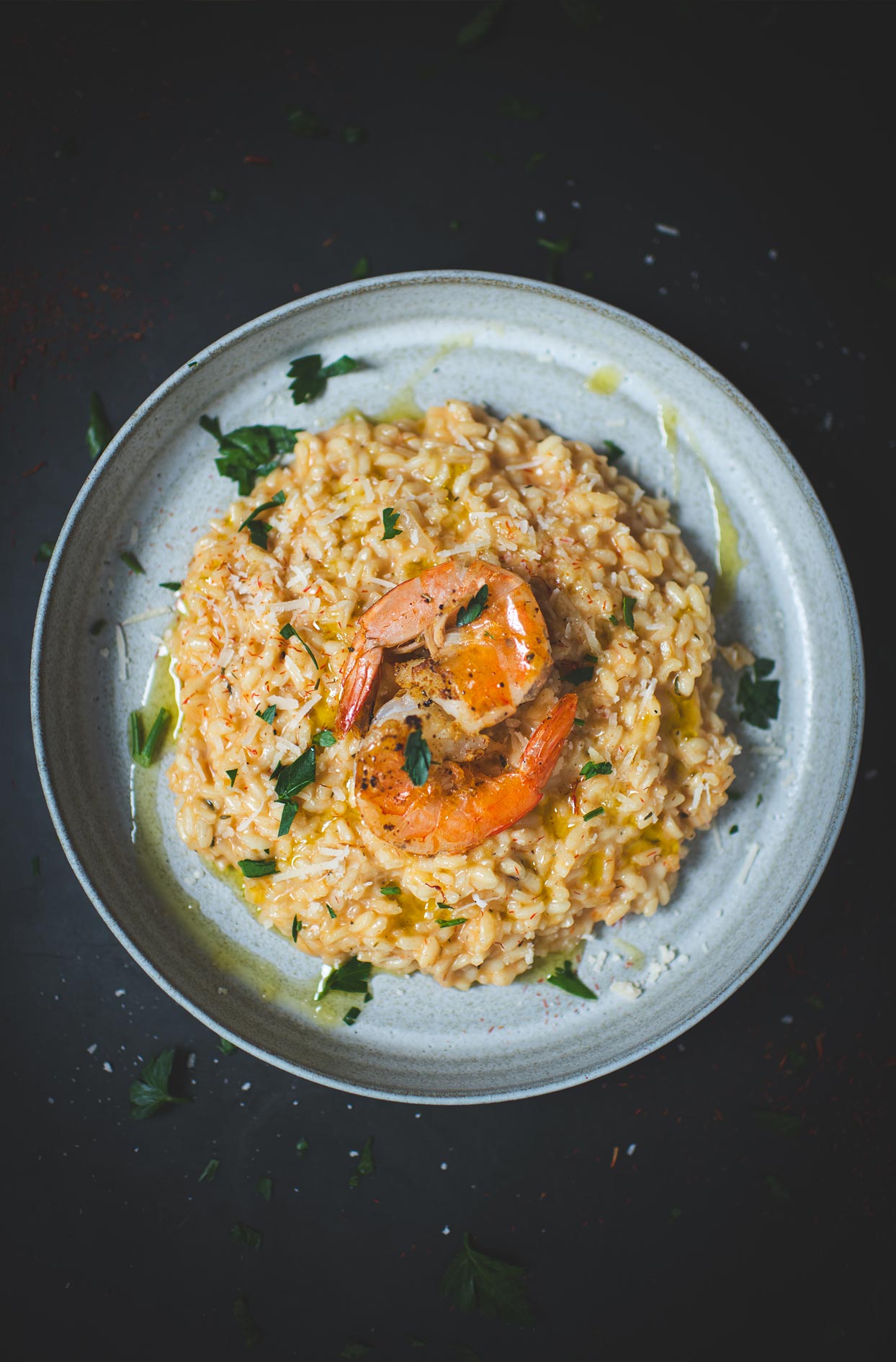
This saison has a peppery yeast, notes of lemon and grapefruit, and a lot of dryness. Seafood lightens the rice a little: the beer's citrus meets their taste of the sea, like a squeeze of lemon on shrimp, and the lively fizz cleans the cream so the sea stays out front. The risotto by the water!
A blonde ale is soft and lightly malty, without the peppery yeast. It leaves all the room to the sea taste of the risotto. Go for it if your risotto is creamy and well salted, or if the saison seems too lively.
This Sardinian vermentino, with notes of lemon, green almond and dry herbs, finishes on a salty note. Next to seafood, that salt meets the taste of the sea instead of pushing against it. Its acidity cuts the cream in the rice, and its body is full enough not to disappear in a dish with butter.
Burgundy chardonnay is rounder, with apple, pear and a little butter. Go for it if the risotto is very creamy or finished with cream, or if the seafood is mostly scallops or lobster.
A seafood risotto, with its added brine and a bit less heavy, likes the gin and tonic, dry and bitter, with lively bubbles: its bitterness follows the brine, and its lime lifts the seafood without drowning it.
Our recipe → · Alcohol-free version: Tonic, cucumber and rosemary over lots of iceThe tonic already brings the quinine, and the cucumber and rosemary do the gin's job.
The risotto is golden, scented with saffron, with butter and bone marrow. Saison has a fine fizz, pepper, citrus and a dry finish. Its pepper blends with the floral side of the saffron, and its fizz cleans the butter and the marrow. It lets the scent of the saffron go all the way.
Blonde ale is softer and rounder, with a bread malt and very little bitterness. Take it if you want a beer that goes along with the butter without rushing it, and leaves the saffron alone.
Burgundy Chardonnay smells of apple, lemon and a little butter, round and fresh. Against a risotto with saffron, butter and marrow, its round body goes with the richness of the dish, and its acidity keeps it from getting heavy. Its butter melts into that of the dish, and the saffron comes through well, with no flavour crushing it.
Rhône Valley Viognier smells of apricot, peach and white flower, round and fragrant. Take it if you want a more aromatic white: its flower scent answers that of the saffron, and its round side follows the marrow.
Golden and floral, with butter and bone marrow, the saffron risotto, Milanese style, meets the gin fizz, lemon and gin under a light foam: its lemon brightens the saffron, and its bubbles lighten the butter.
Our recipe → · Alcohol-free version: Sparkling water, lemon and elderflower syrupThe elderflower keeps the gin's floral side, and the lemon and bubbles make the fizz.
The butternut squash is sweet and round, the sage is fragrant and the rice stays creamy. Saison has a fine fizz, pepper, citrus and a dry finish. Its pepper goes with the sage, and its dry finish holds up against the sweetness of the squash. Its fizz keeps the cream from wearing you out.
Amber ale has a caramel and toasted bread malt, rounder than saison. Take it if you want the beer to follow the sweetness of the squash: its caramel resembles it, and its toastiness goes with the sage.
Burgundy Chardonnay smells of apple, lemon and a little butter, round and fresh. Against a sweet, creamy squash, its round body has the same mellowness, and its acidity holds the sweetness. Its butter melts into the risotto, and it leaves the sage fragrant. The wine stays lively enough that you want a second bite, even with a dish this rich.
Alsace Pinot gris smells of pear, yellow apple and a hint of spice, with a rounder body. Take it if you want a fuller white: its ripe fruit goes with the squash, and its gentle spice follows the sage.
The old fashioned, whisky, sugar and bitters, slow and woody, carries on the sweet, round side of a butternut squash risotto, with its sage and its cream, and its bitters keep the whole thing from turning into dessert.
Alcohol-free version: Smoky black tea, maple syrup and orange peel over one big ice cubeAn old fashioned is oak, a little sugar and orange: smoky tea and maple do the same.
The asparagus and peas are green, springlike and slightly bitter. Saison has a fine fizz, pepper, citrus and a dry finish. Its pepper follows the green of the vegetables, and its citrus brightens the rice. Its fizz keeps the dish light, and its dry finish doesn't add to the bitterness of the asparagus.
Pilsner is clear and crisp, with a grassy hop and a clean bitterness. Take it if you want a simpler beer: its grassy hop joins the green of the asparagus, and its lightness leaves the rice alone.
Loire Valley Sauvignon blanc smells of cut grass, lemon and grapefruit, with a bright acidity. Against asparagus and peas, it has the same green scent: the two reinforce each other instead of fighting. Its acidity lightens the creamy rice, and with no tannin it doesn't harden the bitterness of the asparagus.
Alsace Pinot blanc smells of apple, pear and a touch of flower, light and supple. Take it if you find the Sauvignon too lively: its fruity softness goes along with the peas, and it leaves the asparagus alone.
The Hugo spritz, prosecco, elderflower, mint and lime, floral and light, follows a risotto with asparagus and peas, green, springlike and slightly bitter: its mint and its flower add freshness to the spring.
Alcohol-free version: Sparkling water, elderflower syrup, mint and limeA Hugo is elderflower, mint and bubbles: the sparkling wine is only passing through.
Saffron is delicate and butter with Parmesan is heavy; you have to find the middle. A blonde lager, on fresh bread and discreet malt, lightens the risotto without touching the saffron. Its fine fizz revives every spoonful, and the dish stays creamy to the bottom of the plate.
With its mineral notes and slight bitterness, this well chilled Verdicchio is the ideal pairing for this saffron risotto alla Milanese. Its freshness balances the richness of the butter and Parmesan, while its floral and almond aromas resonate perfectly with the finesse of the saffron. An elegant duo that turns each bite into a direct trip to Italy.
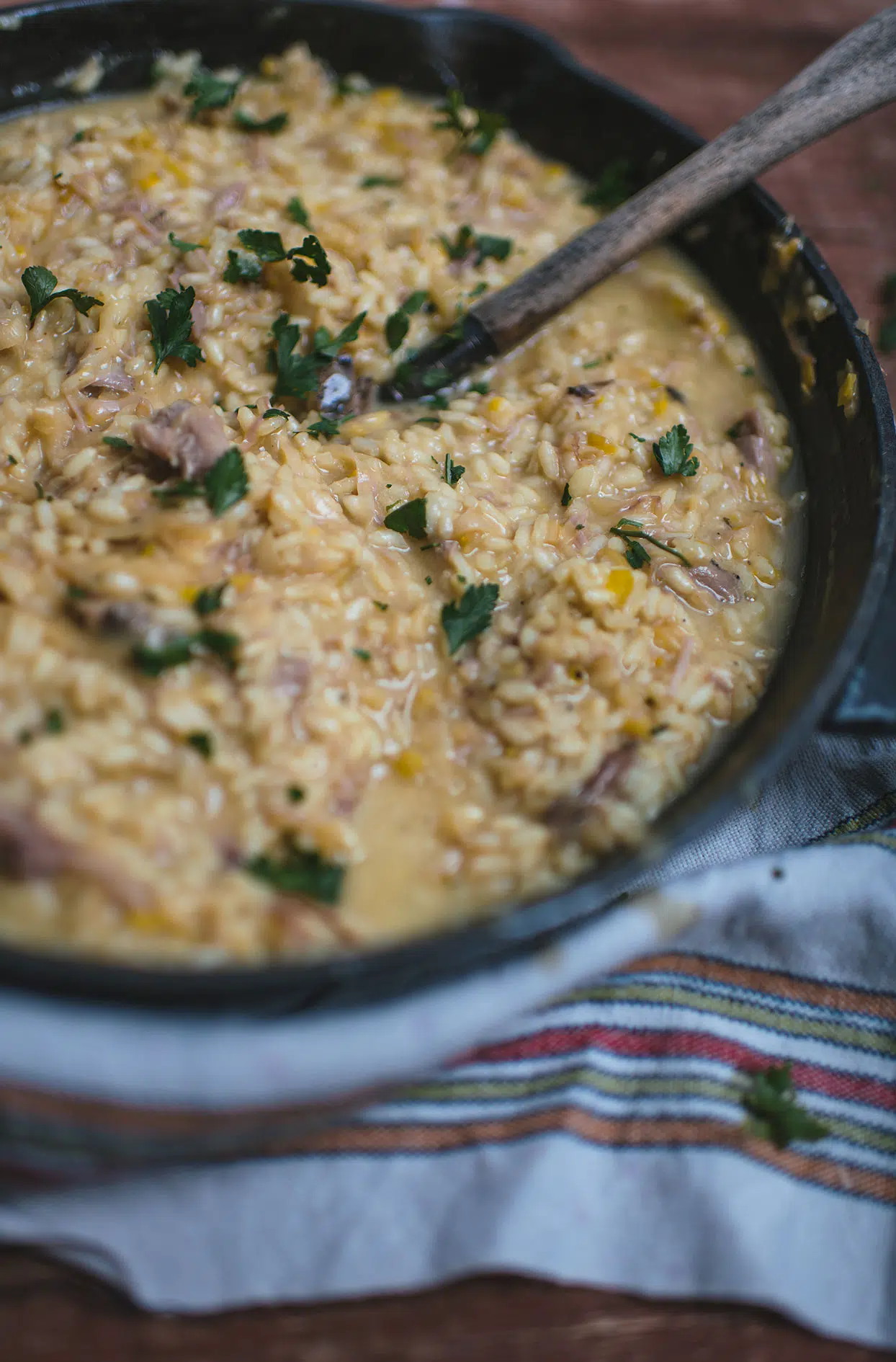
The leeks and the risotto were built with red ale, so the glass keeps the recipe going. This ESB brings toasted bread, caramel and a hint of candied orange that meets the parmesan. Round enough to go with a risotto, bitter enough to cut the confit duck.
This magnificent Languedoc-Roussillon, Côtes Catalanes is made of 45% Carignan, 45% Grenache and 10% Mourvèdre. It's a seriously good wine, showing notes of ripe red fruit and fresh and dried herbs. It's elegant, fine and deep, its tannins are silky, and the finish is long and smooth. A must with a duck risotto like this one!
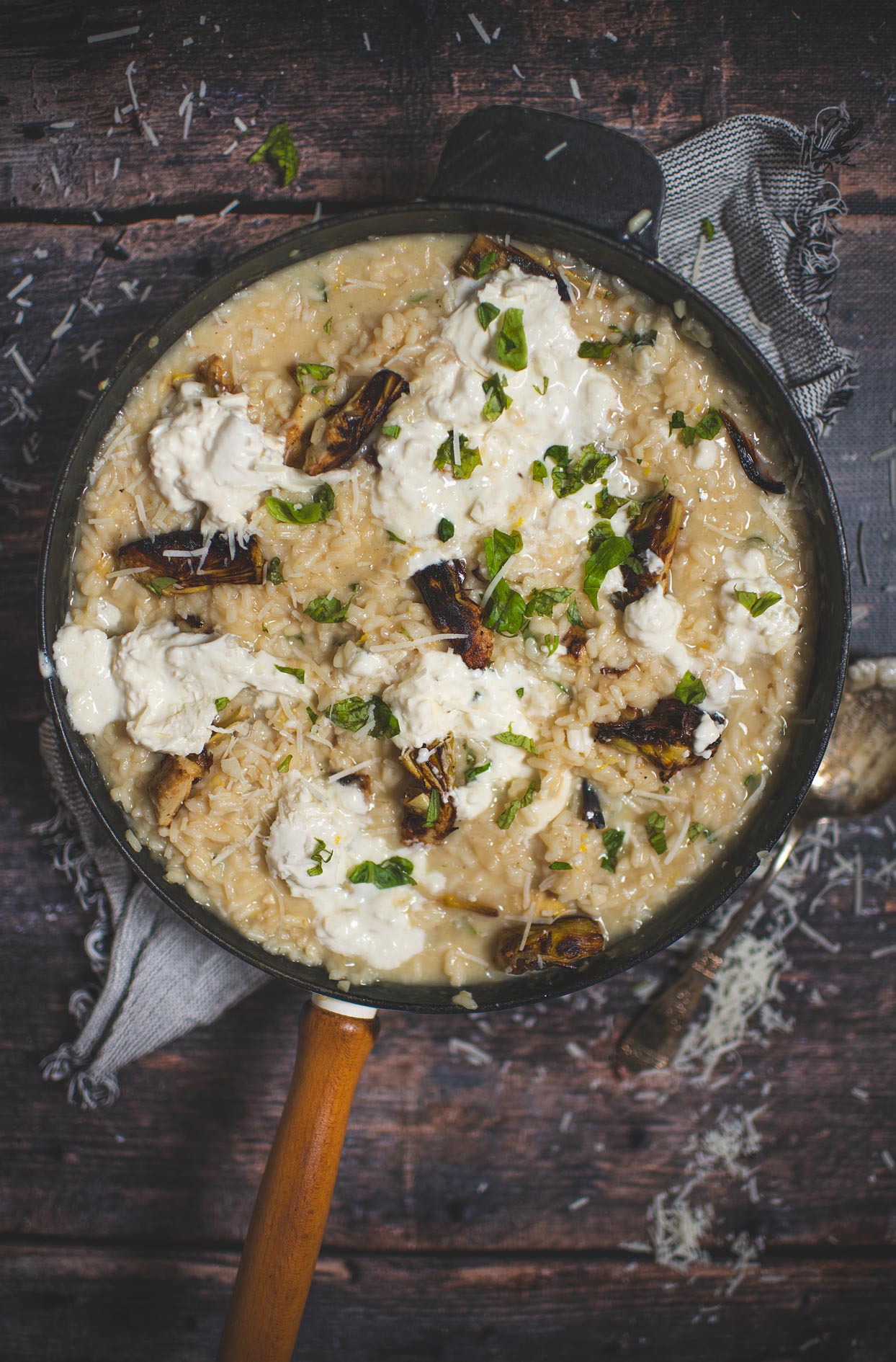
With its coriander and orange peel aromas, this witbier freshens up every bite of the artichoke and burrata risotto. Its lightness and citrus notes suit the creamy sweetness of the burrata and the melting parmesan. Like bright northern snow, it lights up the rich flavours of the dish with a real touch of the north.
With this artichoke and burrata risotto, this garganega is a natural choice. The Garganega grape offers nice minerality and notes of almond and citrus, with a lively acidity that cuts through the creaminess of the burrata and the butter in the risotto. The slightly herbal notes of the wine complement the vegetal touch of the artichoke hearts. A classic Italian pairing, direct and effective.
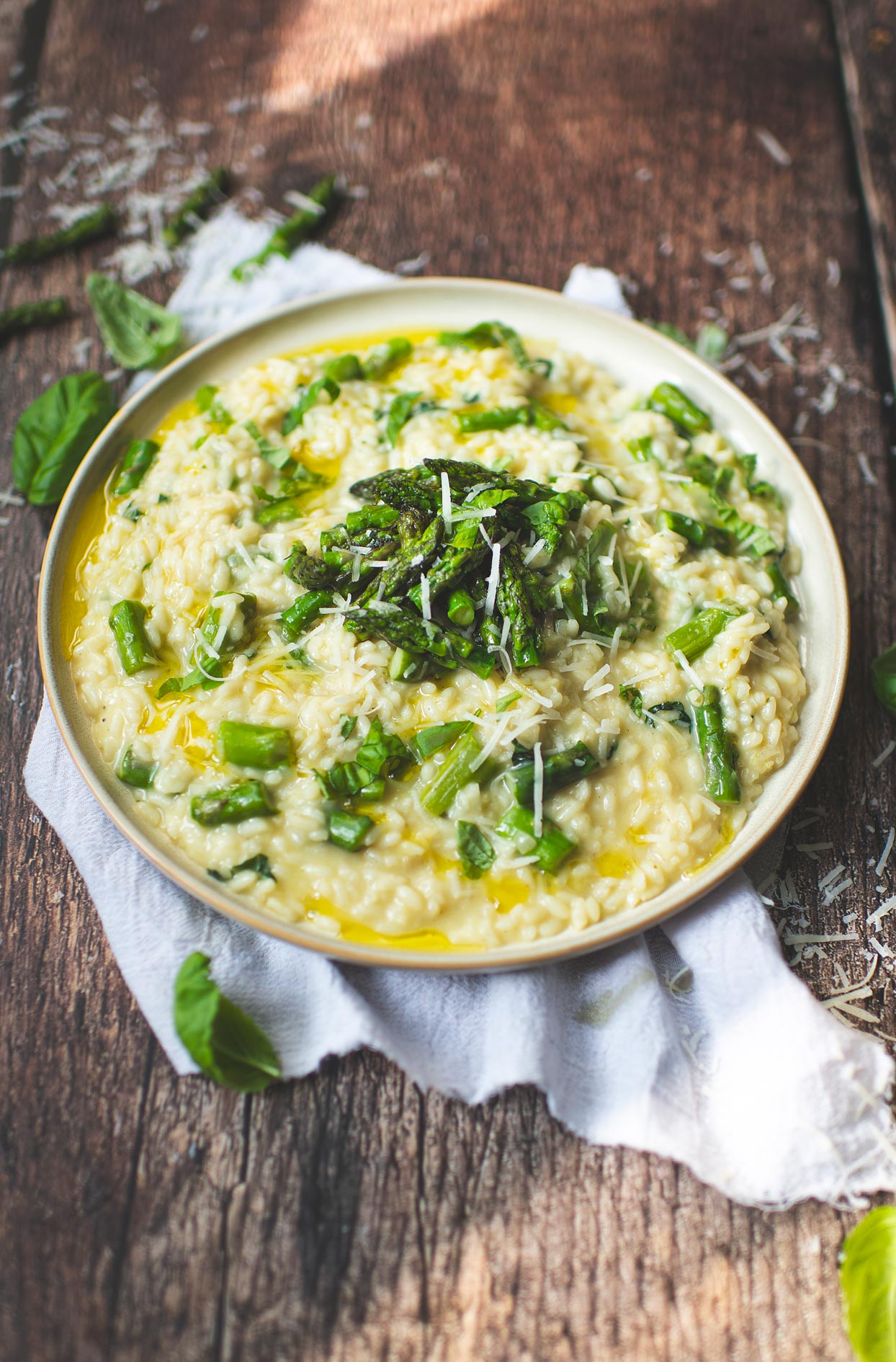
This blond saison is dry and re-fermented in the bottle, with notes of hay, herbs and grassy hops. Those herbs meet the asparagus and basil in the risotto, and its lively bubbles cut the butter and pecorino between bites. It gives the vegetable all the room. A May supper, windows open, with the first bunch of asparagus!
A 100% verdicchio with exactly the nerve needed: citrus, a slightly bitter finish and lovely mineral tension. That's precisely what most whites lack with asparagus, a vegetable known to be hard to pair. It stands up to the salty pecorino without ever overpowering it and goes perfectly with my asparagus and pecorino romano risotto.
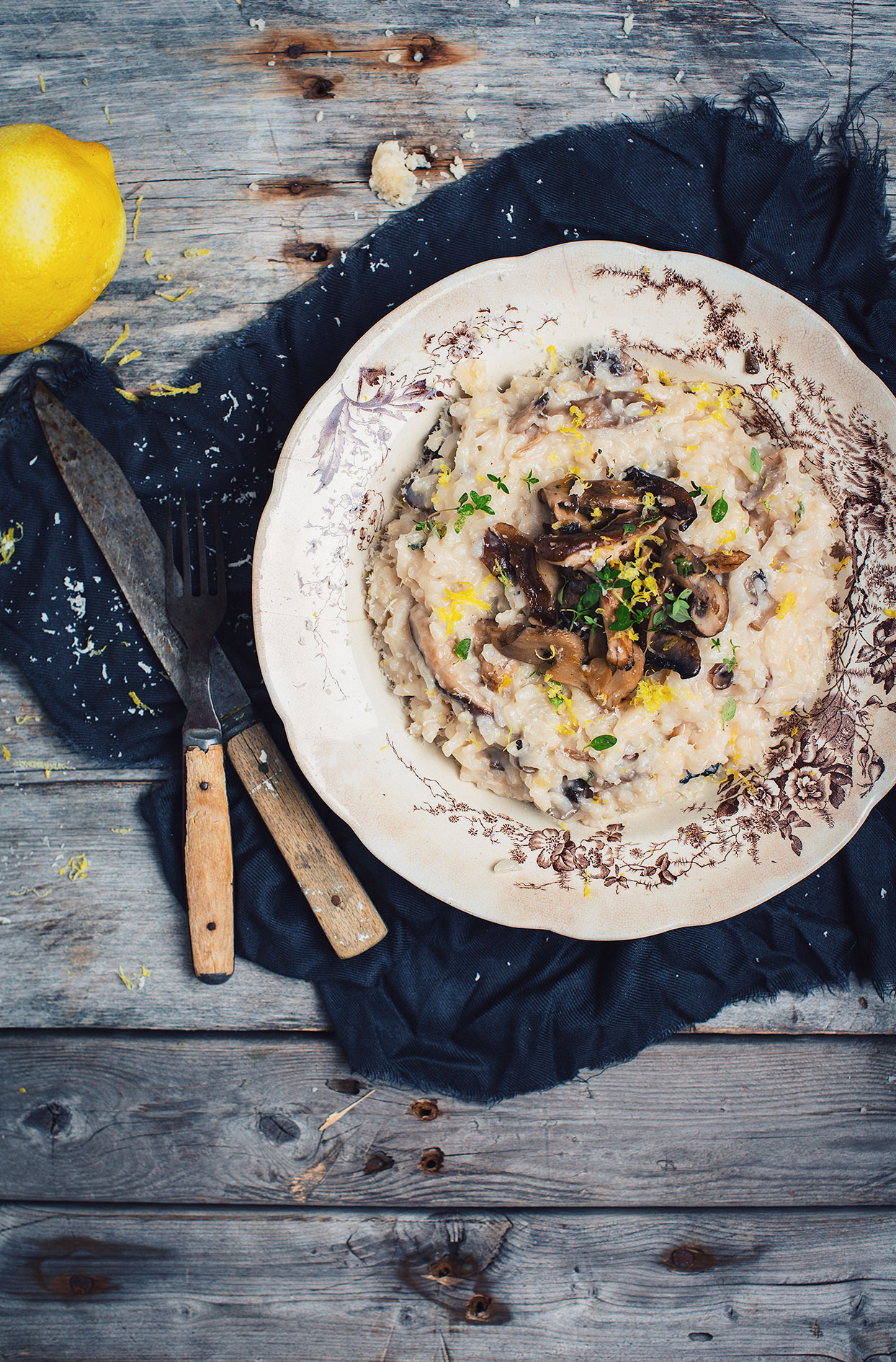
To go with this mushroom risotto, try an English-style bitter. It has earthy noble hop notes that suit the mushrooms perfectly, like a walk in the woods in the fall. Its quiet citrus aromas recall the lemon zest in the risotto, and the light body makes for a soft, harmonious pairing.
The wine for this dish
Pinot BlancAlsace
This Alsace pinot blanc, with notes of apple, pear and almond, has a medium body and a soft but very present acidity. Why this wine ↑
A risotto stays creamy to the last spoonful, which ends up being heavy. The saison takes care of that with its dryness and tight bubbles, while its pepper and citrus follow the squash without overpowering the seafood. It's the kind of beer that livens up a dish instead of politely accompanying it.
With creamy-textured dishes like this, we reach for the round-textured chardonnays! Here blended with viognier, it develops extremely seductive ripe peach notes!
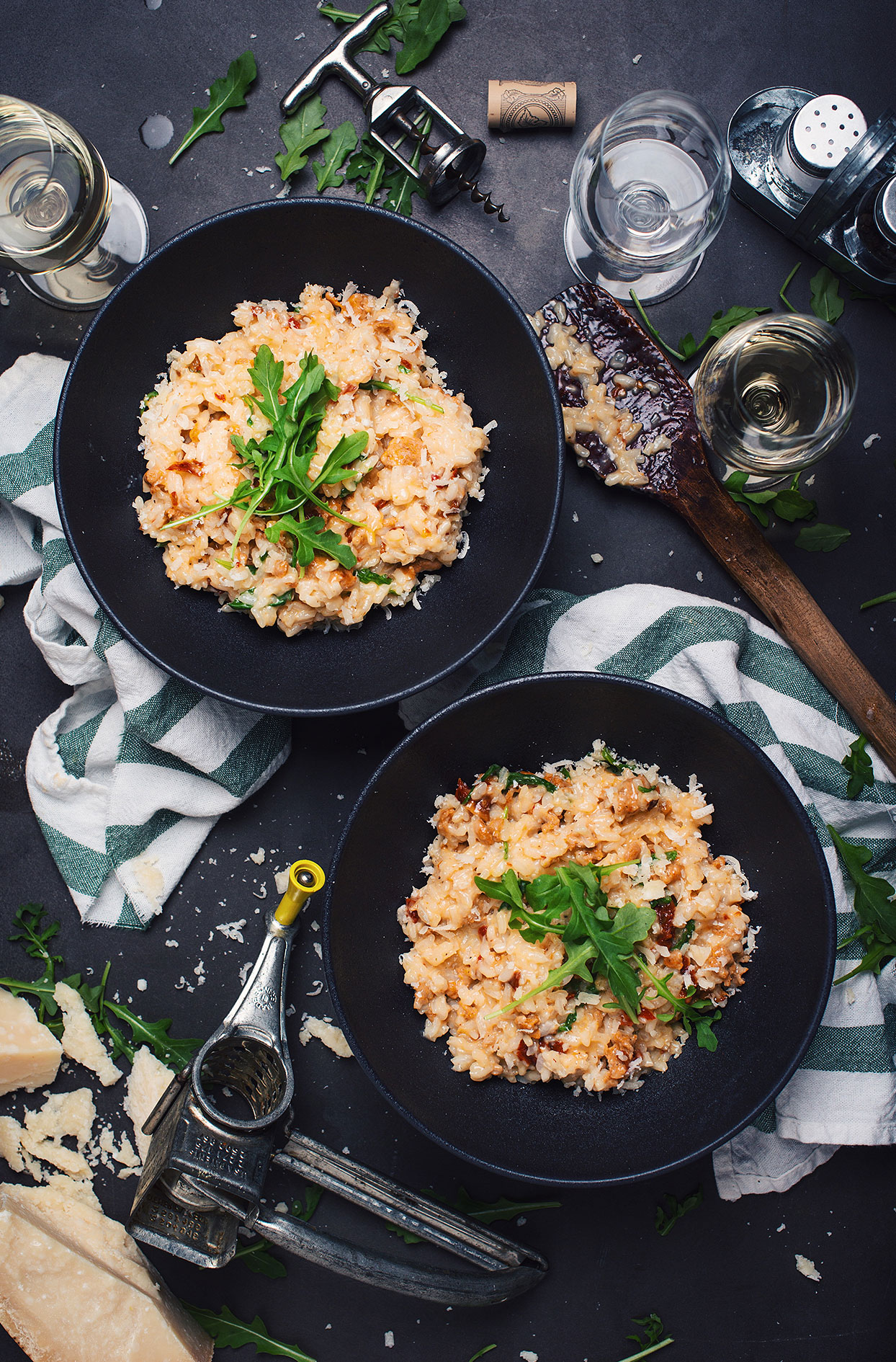
Italian sausage, sun-dried tomatoes and arugula make a risotto with character. The witbier answers with its coriander, clove and sourdough bread, and its orange notes cut the pork fat. Its balance of sugar and acidity gets the fork moving again when the rice turns rich.
A little weeknight treat to go with this superb risotto with its whiffs of spice and smoke. The palate is ample and supple, with a finish that has character, never heavy, and that will charm even the most demanding wine lover.
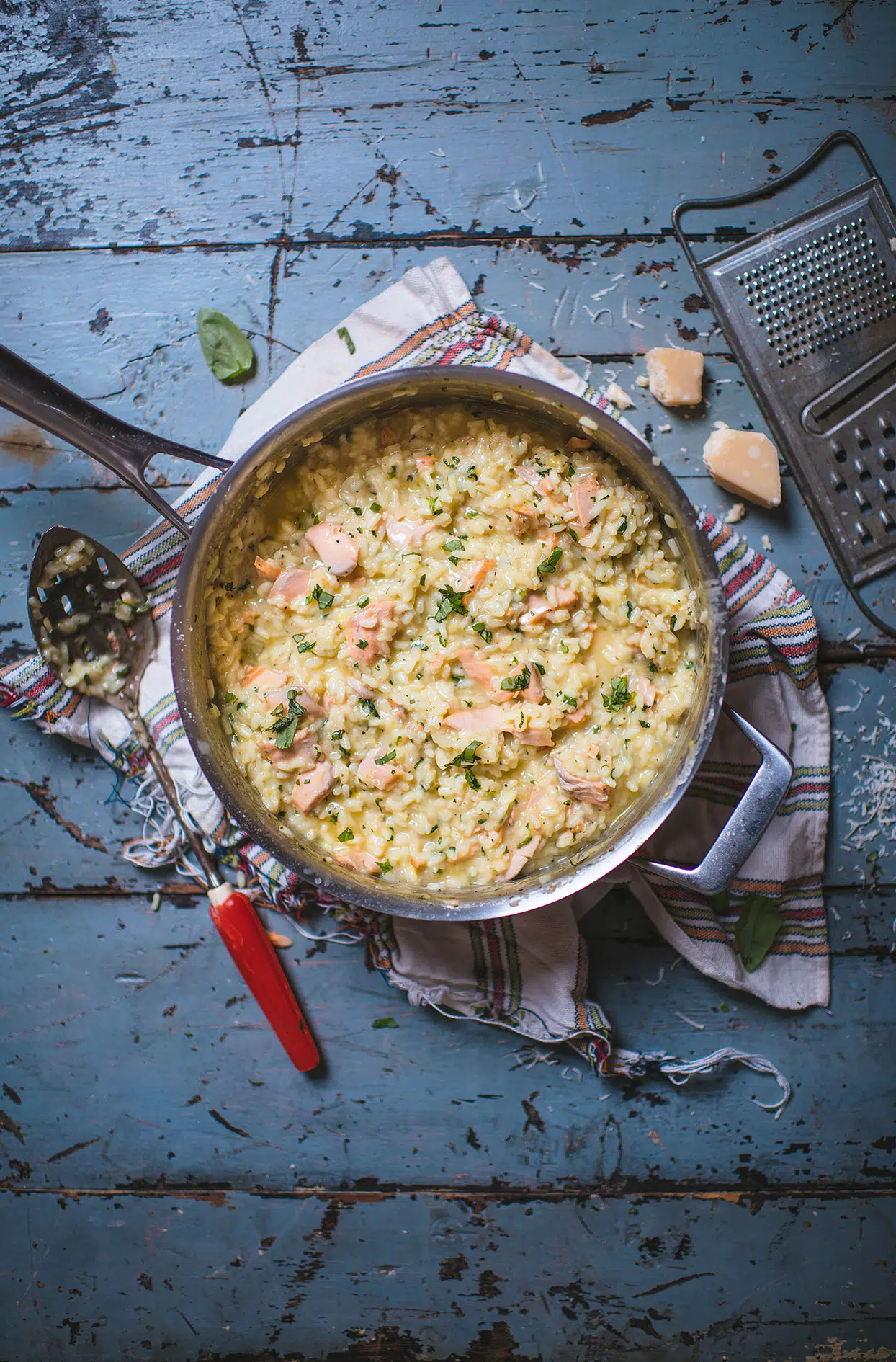
This tart wheat beer tastes of lemon, grapefruit and lemongrass, almost a lemonade. Lemongrass is a cousin of basil, so it joins the basil in the risotto, and its lemon meets the zest and lemon pepper on the trout. Its tartness freshens up the Parmesan and the creamy rice. A grown-up lemonade, served at the table!
This Vermentino di Sardegna made of 100% Vermentino is a magnificent expression of Sardinian terroir. With lemony, floral, herbal and saline notes, a waxy, patinated feel on the palate, it has a nice bitter finish. It will make a very nice pairing with a fatty fish like salmon or trout, and will go with this dish brilliantly.