

The best pork ribs in the oven

- Preparation 50 min
- Refrigeration 6 h
- Cooking 4 h 30 min
- Servings 4
- Freezing Absolutely
Ads
🍖 The ribs I block off a whole Sunday for
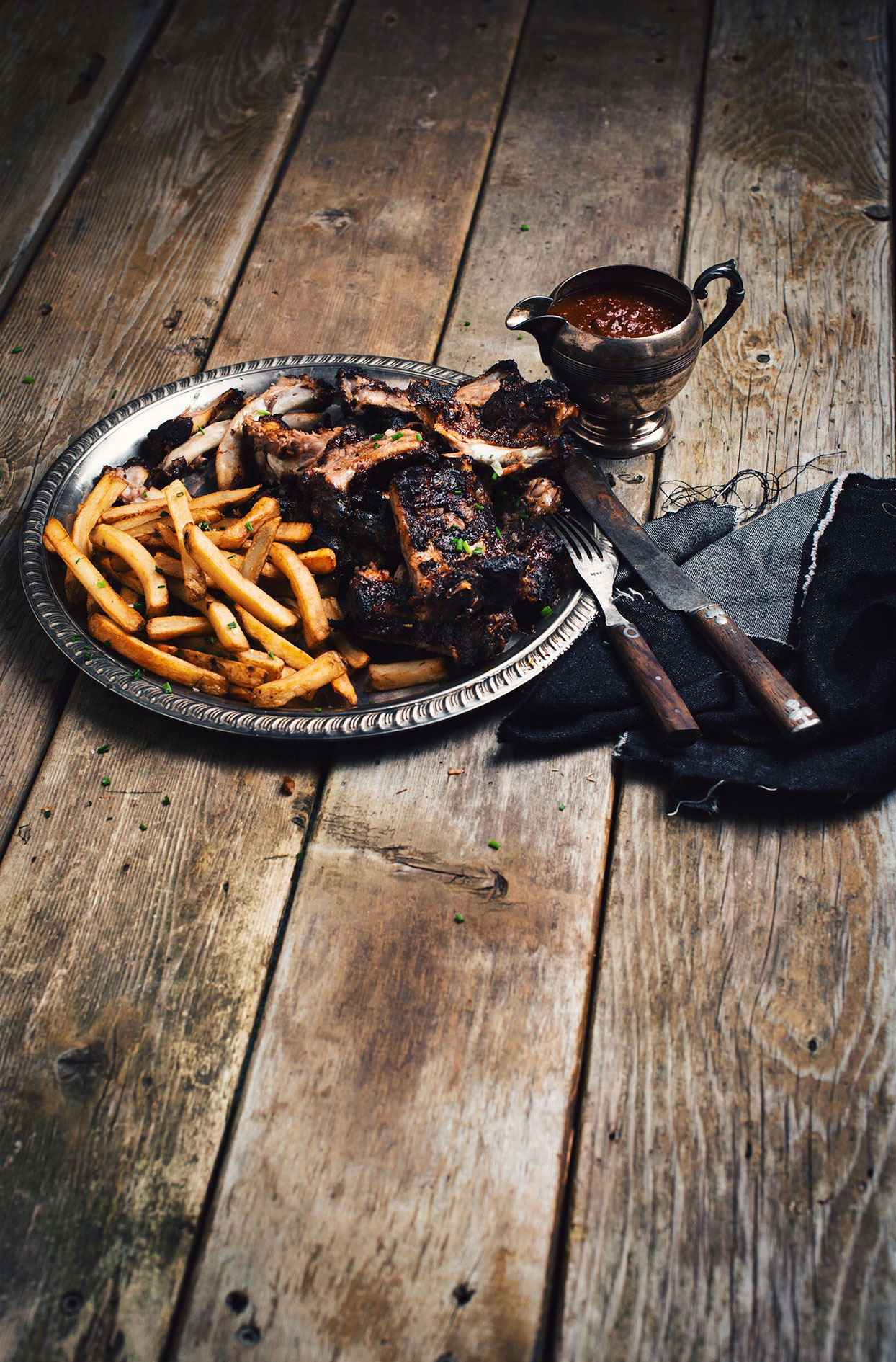
Cooking pork ribs in the oven is the part nobody wants to hear about, because it is slow and it is boring and it is also the entire reason these work. A twelve-spice rub goes on in the morning. Around noon the ribs go into a deep pan with beer in the bottom, sealed tight under foil at 300 °F (150 °C), and stay there two hours while I make the sauce. Then they sit in that sauce until supper. Smoker after that, grill last. It is a full day, and I have never once regretted it. Quebec pork helps: we get a genuinely good product here, tender and full of flavor, and it deserves to be treated like it matters.
🔥 The chipotle BBQ sauce is doing most of the work
Ketchup, honey, molasses, a chipotle in adobo, dark beer, and about a dozen other things that go in a pot and get blended smooth. Sweet, smoky, hot and deep all at the same time. That sauce is the difference between decent ribs and the ones people talk about a week later. Keep a cup of it back in the fridge before the ribs go in. You need clean sauce for basting on the grill, and sauce that sat with raw-ish meat never goes back on the meat. The rest coats the racks for at least three hours. Overnight if you can manage it.
🧑🍳 Oven first, smoke second, grill last. And no, you do not boil them
Boiling ribs is a habit from 1970s diner kitchens and it throws every bit of flavor down the sink. Sealed foil, low heat, a little liquid: the collagen breaks down on its own and nothing leaks out. That is how you get ribs that fall off the bone without a single pale, washed-out bite. No smoker? Oven plus grill is still excellent. No BBQ either? Thirty minutes uncovered at 400 °F, basting every ten, and you are still eating very well. A slow cooker (8 hours on low) and an air fryer (15–20 minutes at 380 °F after the beer bath) both work when the day gets away from you.
Ads
Ads
🔪 Press the rub in, do not sprinkle it
Sprinkling the rub on top gets you spiced ribs. Pressing it in with your hands, into every surface, into the gaps between the bones, gets you ribs where the seasoning is part of the meat. Three hours in the fridge is the floor. Twenty-four hours is better, and if you are already planning the day around this, you may as well.
🌡️ 300 °F, two hours, sealed tight. Not 275, not 350
This is the one step with no wiggle room. The foil has to be crimped down hard around the pan so the beer turns into a steam chamber instead of evaporating off. Too hot and the meat tightens up before the collagen has a chance to let go; a loose seal and you pull out dry racks two hours later. 300 °F (150 °C), two hours, sealed. Everything after this step is decoration.
⏱️ Let them sit in the sauce as long as the day allows
Three hours minimum, overnight if you cooked them the day before.
✂️ Hold back a cup of sauce before the ribs go anywhere near it
That reserved cup lives in the fridge and comes out only at the grill. Sauce that marinated with the meat does not go back on the meat. It is a food safety thing, not a flavor preference. The clean cup is what builds the glossy, sticky crust at the end.
🖌️ Baste more than feels reasonable
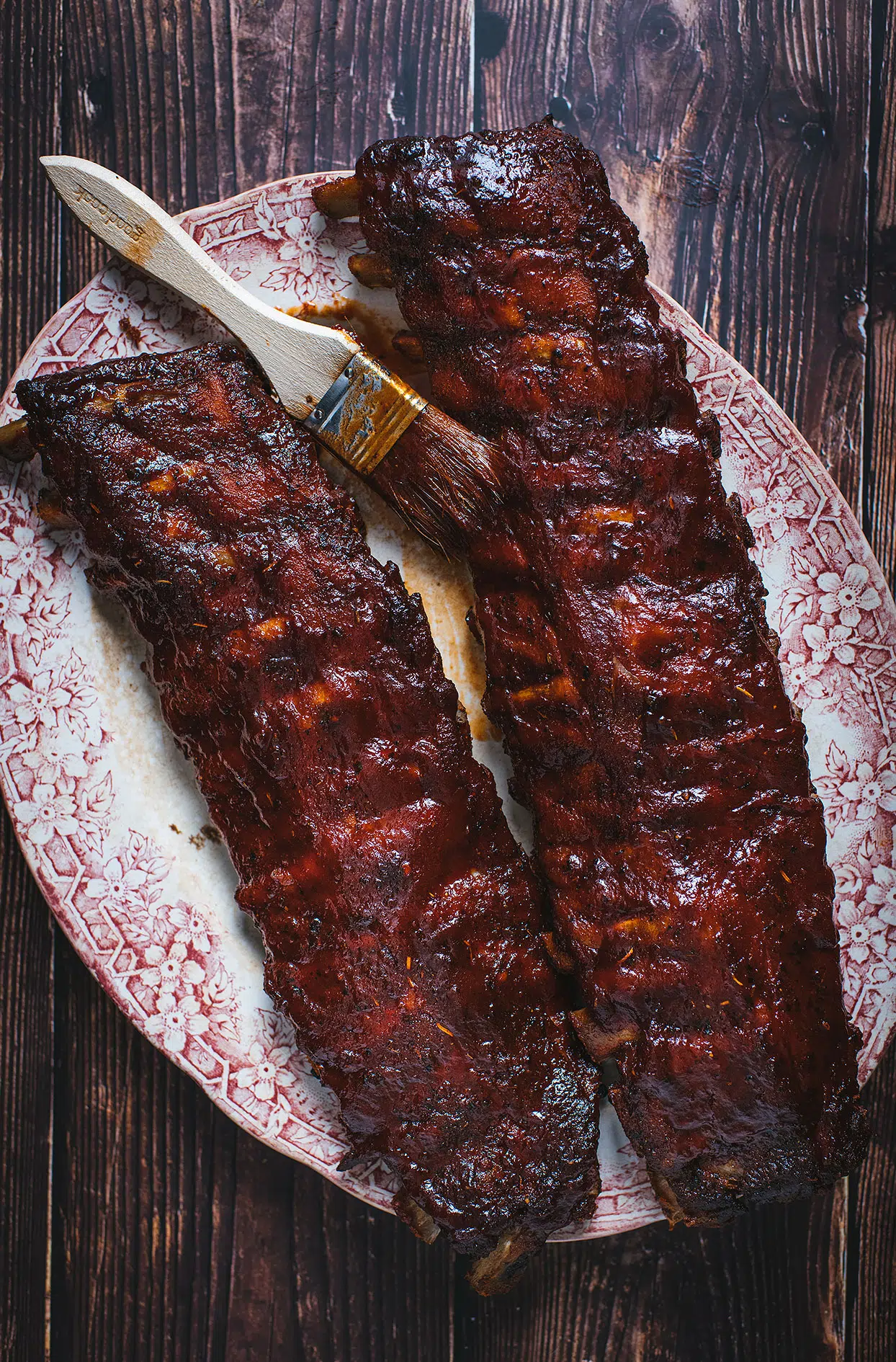
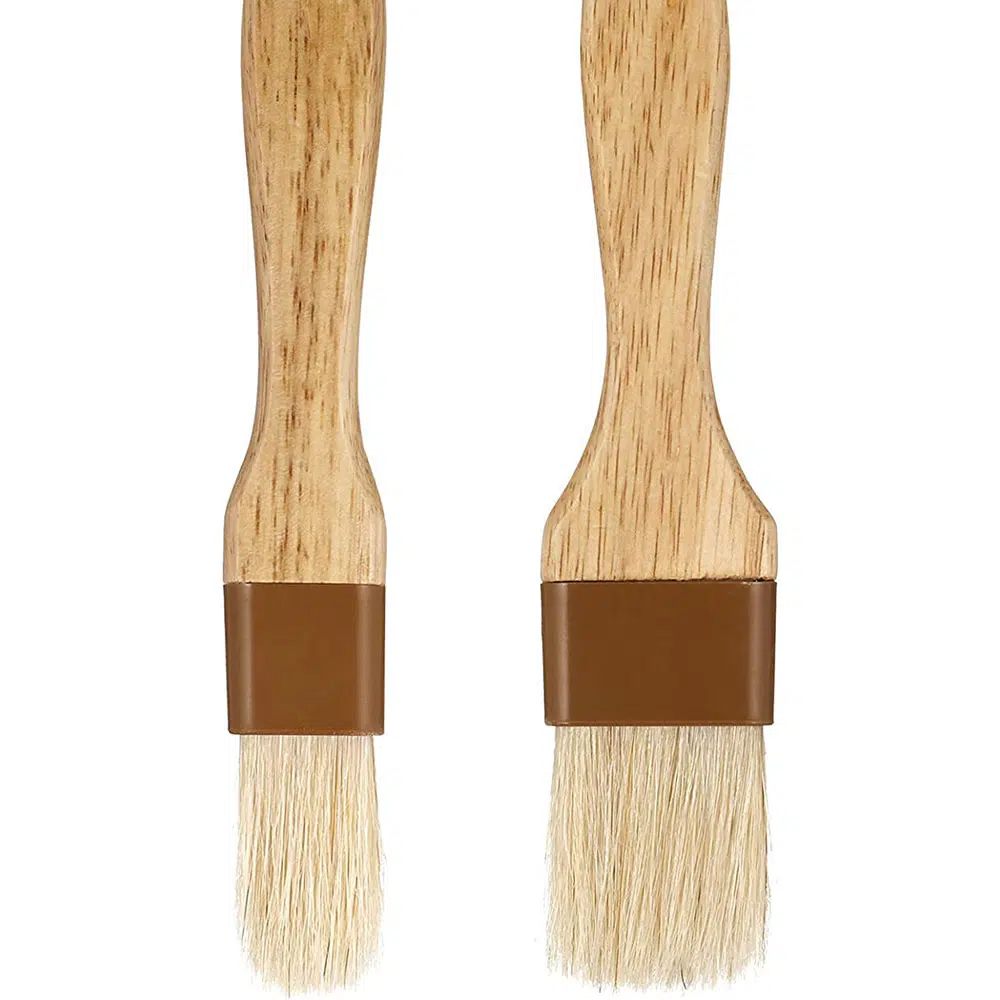
Every two or three minutes, flipping the racks each time. The sugar and molasses in the sauce hit the direct heat and lacquer onto the meat in thin layers, and layers are the whole point. This is not the moment to go get a drink. Stay at the grill.
🌶️ Swap the rub if you want a different crust
The twelve-spice blend is my default, not a law. I keep four other profiles in rotation and they are all written out in my 4 deluxe dry rubs for your grill: classic BBQ, Mexican, Cajun, and a sweet-and-smoky one built on brown sugar and smoked paprika. Any of them takes to ribs.
🍳 No smoker, no BBQ, no problem
The full version is oven plus smoker plus grill, but the beer bath is the load-bearing part and everything after it can be swapped. Oven only: pull the foil after the two hours, brush with sauce, and caramelize 30 minutes at 400 °F, basting every ten. Finish under the broiler for three to five minutes if you want the shine. Slow cooker: rub the racks, lay them on onions with the beer, 8 hours on low, then broil 10 minutes. Air fryer: after the beer bath, 15 to 20 minutes at 380 °F, flipping and basting halfway. And if you want smoke without a smoker, wrap a handful of dry chips and a handful of soaked chips in foil, poke it full of holes, set it on a screaming-hot grill until it billows, then kill the burner on one side and park the ribs there for 20 to 30 minutes.
✅ What to serve with oven pork ribs
Perfectly crispy baby potatoes are the default at my table because they mop up sauce better than anything else. In July I would rather put out my best potato salad with bacon and a plate of grilled vegetables on the BBQ instead, plus corn straight on the grates. Something sharp on the table matters more than people expect. A rack of ribs this rich needs acid across from it, and my creamy coleslaw with pancetta does that job.
Ads
Base ingredients
- About 5 lb (2.3 kg) pork ribs
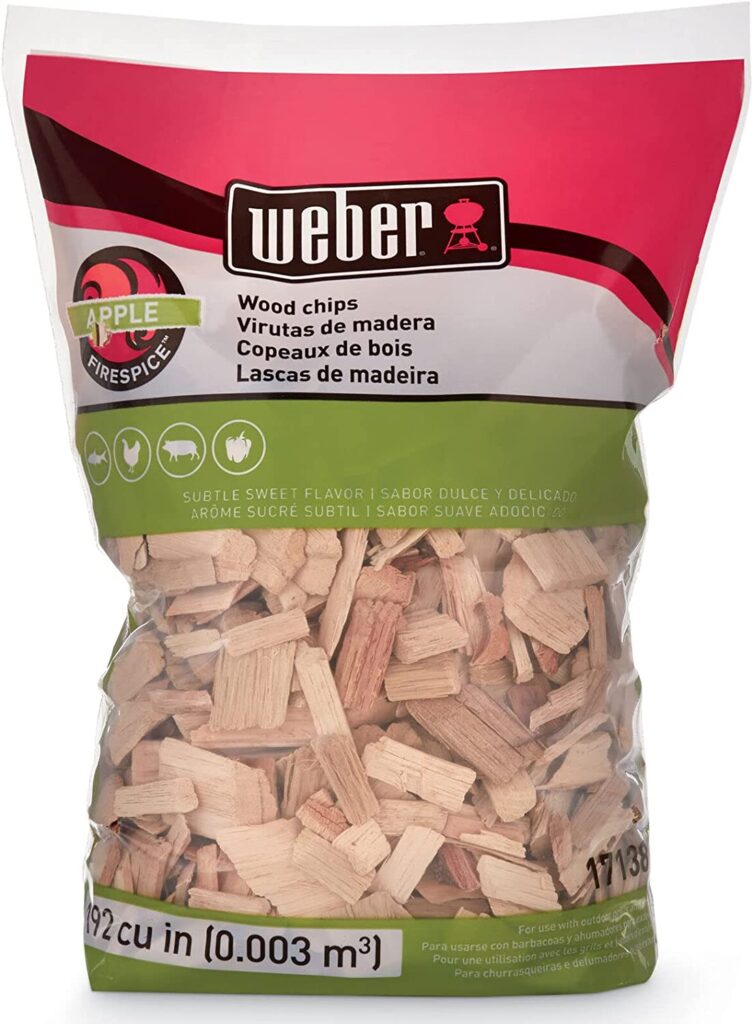
- Smoking wood chips dry and wet (wet = soaked in water for 1 hour)
- 3 cups (750 ml) Belgian-style strong dark ale (7–9%)
Dry rub
- 2 tbsp (30 ml) paprika
- 2 tbsp (30 ml) dry mustard
- 2 tbsp (30 ml) brown sugar
- 1 tbsp (15 ml) ground coriander
- 1 tbsp (15 ml) garlic powder
- 1 tbsp (15 ml) chili powder
- 1 tbsp (15 ml) dried thyme
- 1 tbsp (15 ml) cayenne pepper
- 1 tbsp (15 ml) cumin
- 1 tbsp (15 ml) dried oregano
- 1 tbsp (15 ml) salt
- 1 tbsp (15 ml) ground pepper
Dark ale chipotle BBQ sauce
- 1 medium red onion, roughly chopped
- 3 garlic cloves, roughly chopped
- 2 tbsp (30 ml) olive oil
- 1 cup (250 ml) ketchup
- ⅓ cup (80 ml) water
- 1 tbsp (15 ml) Dijon mustard
- 1 tbsp (15 ml) red wine vinegar
- 1 tbsp (15 ml) Worcestershire sauce
- 1 canned chipotle pepper in adobo sauce, seeded and roughly chopped
- 1 tbsp (15 ml) paprika
- 1 tbsp (15 ml) dried oregano
- 2 tbsp (30 ml) brown sugar
- ½ cup (125 ml) honey
- 2 tbsp (30 ml) molasses
- 1¼ cups (300 ml) Belgian-style strong dark ale
- Salt and ground pepper
Ads
Preparation
Morning. Dry rub (3 hours)
- In a bowl, combine all dry rub ingredients and mix well. Place the ribs in a large airtight container and spread the rub over all surfaces, pressing firmly to drive the spices into the meat. Seal and refrigerate for 3 hours.
Oven braise and BBQ sauce
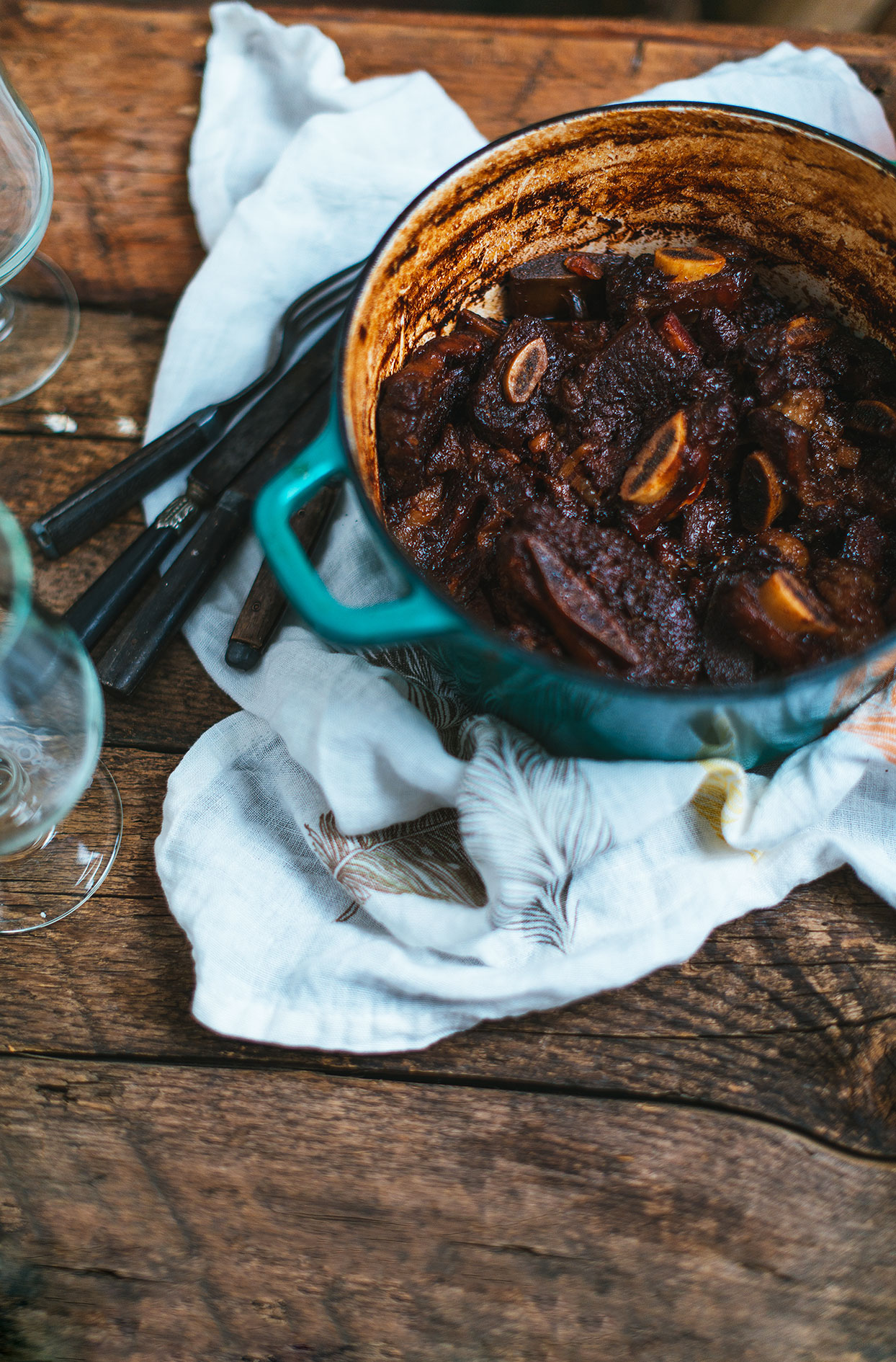
- Preheat oven to 300 °F (150 °C). In a large deep roasting pan, pour about 3 cups (750 ml) of the dark ale, then place the ribs on the rack. Cover tightly with aluminum foil and bake for 2 hours. Remove from oven, unwrap and let cool for 30 minutes.
- While the ribs are in the oven, make the BBQ sauce. In a saucepan, heat oil over medium heat and cook onion for 4 minutes. Add garlic and cook 1 more minute. Add ketchup and water, bring to a boil, reduce heat and simmer for 5 minutes.
- Add the chopped chipotle pepper then all remaining sauce ingredients. Mix well and continue cooking over medium heat for 20 minutes, stirring regularly. Remove from heat, let cool a few minutes, then blend with a food processor or immersion blender until smooth.
- Reserve 1 cup (250 ml) of sauce for basting during grilling and keep in the fridge. Place the cooled ribs in a large airtight container, coat generously with the remaining BBQ sauce making sure to cover every surface. Seal and refrigerate for a minimum of 3 hours. Until dinner.
Smoking and grilling
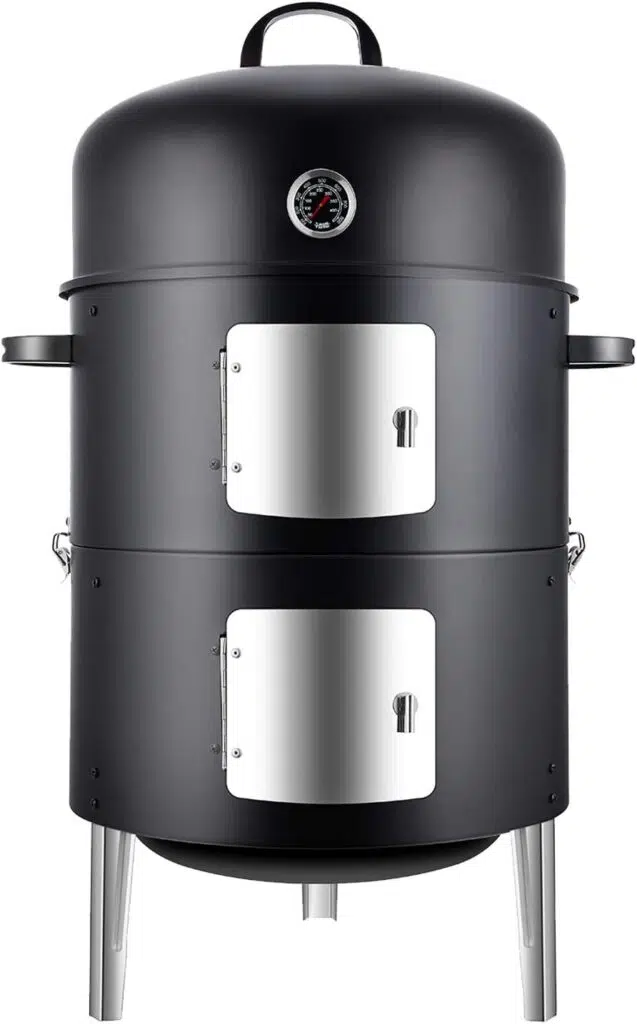
- Preheat the smoker to 250 °F (120 °C). Place the ribs in the smoker and smoke for 1 to 2 hours depending on the desired smoke intensity.
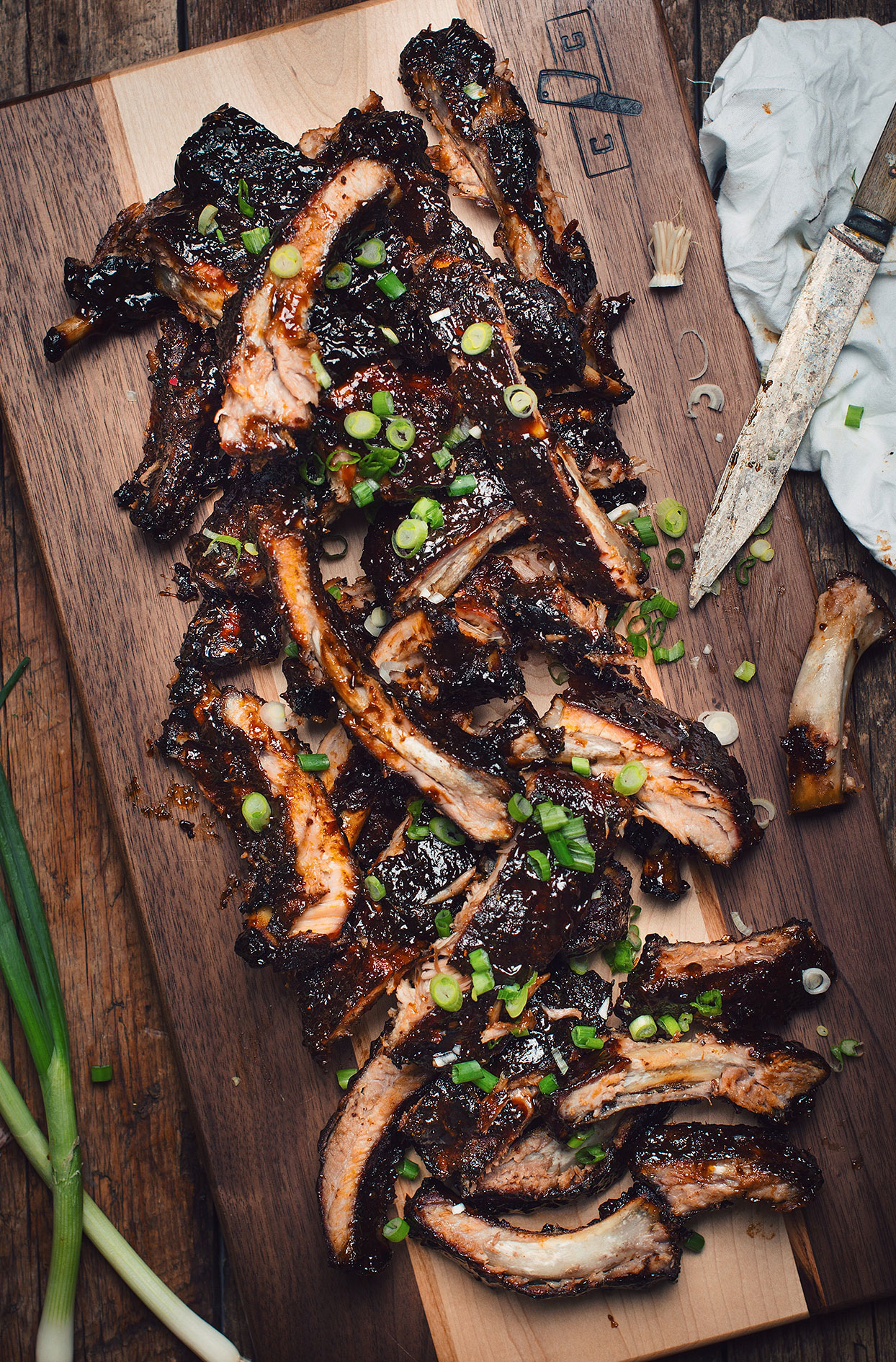
- Finish on the BBQ over medium-high heat, grilling the ribs to your liking and basting generously with the reserved sauce as often as possible. Serve immediately.
Low, slow, and sealed. Rub the racks in the morning, then bake them at 300 °F (150 °C) for two hours in a deep pan with about 3 cups (750 ml) of dark beer in the bottom, covered tightly with foil. That trapped steam is what breaks down the connective tissue. After that the ribs cool, get coated in BBQ sauce for at least three hours, and finish with 20 to 30 minutes of smoke and a few minutes on a hot grill with constant basting. If you have no smoker or no BBQ, the oven finishes the job on its own at 400 °F, uncovered, for 30 minutes.
I cook them at 300 °F (150 °C) and I have not found a reason to change. At 275 you are looking at closer to three hours for the same result, which is fine if you have the afternoon but buys you nothing. Above 300 the muscle fibers seize before the collagen has melted, and you end up with ribs that are somehow both dry and chewy. The temperature matters much less than the seal on the foil, honestly. A badly wrapped pan at the perfect temperature will still disappoint you.
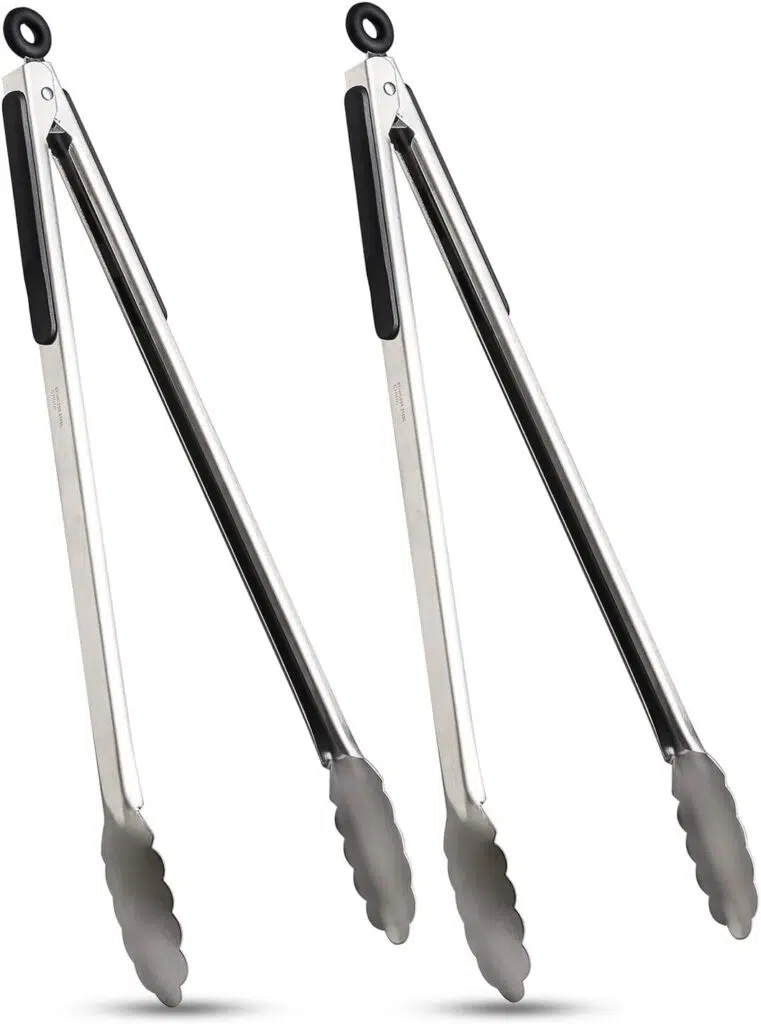
Two hours at 300 °F sealed in the beer bath, then 30 minutes at 400 °F uncovered if the oven is also doing the finish. Other routes: a slow cooker takes 8 hours on low plus 10 minutes under the broiler; indirect BBQ at 300 °F runs 2½ to 3 hours wrapped, then 30 minutes open; a smoker at 225 °F wants 4 to 6 hours. Forget the clock and check the rack instead. The meat should have pulled back about a centimeter from the bone ends, and the rack should bend without snapping when you lift it with tongs.
Two things, and one of them is a thing you do not do. The one you do: keep the ribs under a hard-sealed foil lid at low heat with a little liquid, so the collagen turns to gelatin instead of the meat drying out. The one you do not: never boil them. It is a leftover from 1970s diner kitchens and it is the fastest way to pour every bit of flavor down the drain and serve gray, bland ribs. If a recipe opens by telling you to boil the racks, close it. Beer, broth or apple juice under sealed foil does the same tenderizing and puts flavor in instead of pulling it out.
Both work here. Spareribs come from the belly side, run longer and fattier, and usually show up in racks of 12 or 13 bones. Baby back ribs come off the loin near the spine: shorter, leaner, more tender, and they cook a touch faster. I reach for spareribs, because the extra fat is what caramelizes against the honey and molasses in the sauce and the leaner cut just cannot do that. If you are shopping in Quebec, ask the butcher for local pork. The difference is not subtle.
Ads
Ads
Ads
Ads
Ads