

Carbonnade flamande
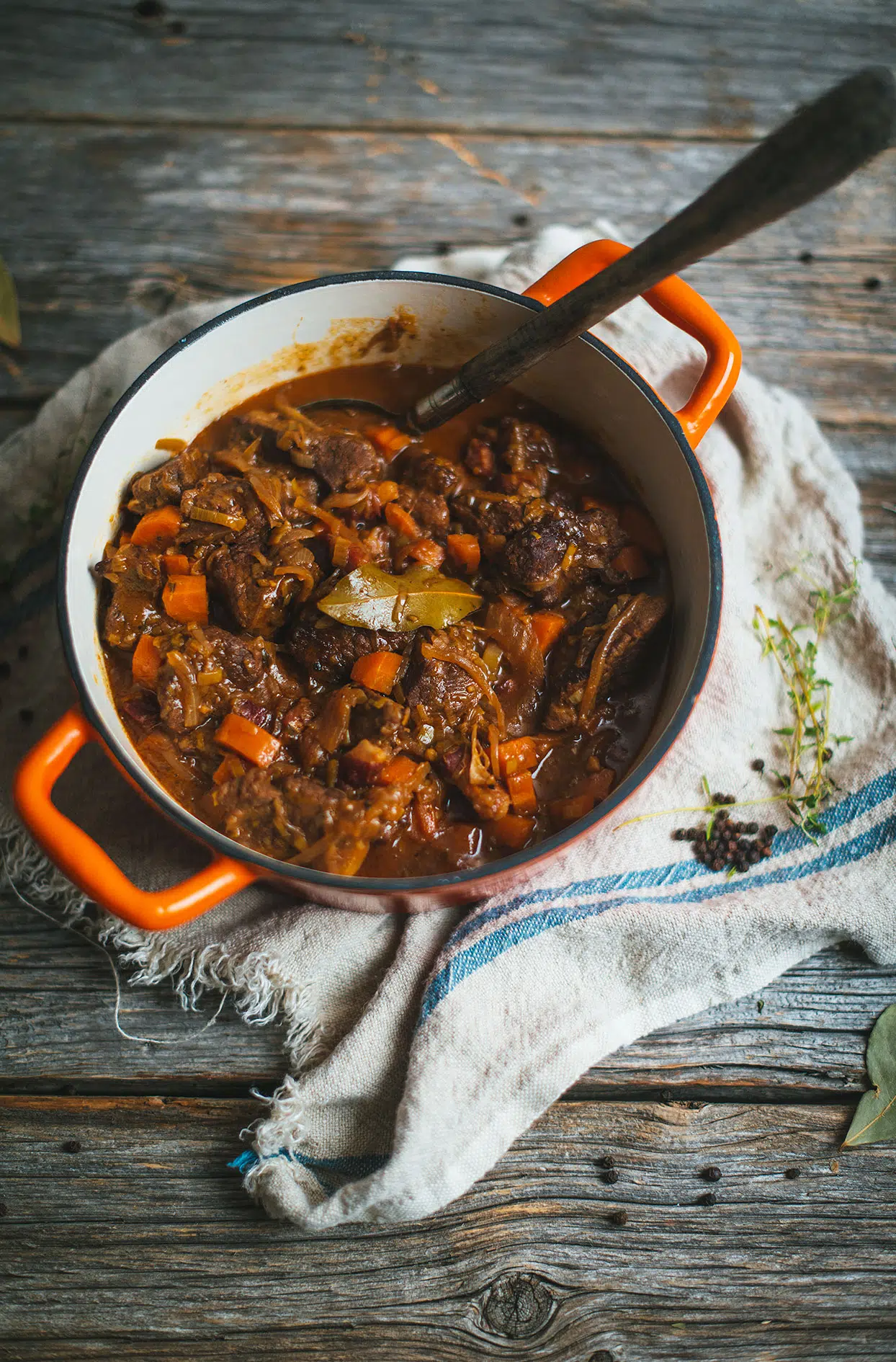
- Preparation 30 min
- Cooking 2 h 15 min
- Servings 4
- Freezing Absolutely
Ads
🇧🇪 Approved by friends from the Pas-de-Calais
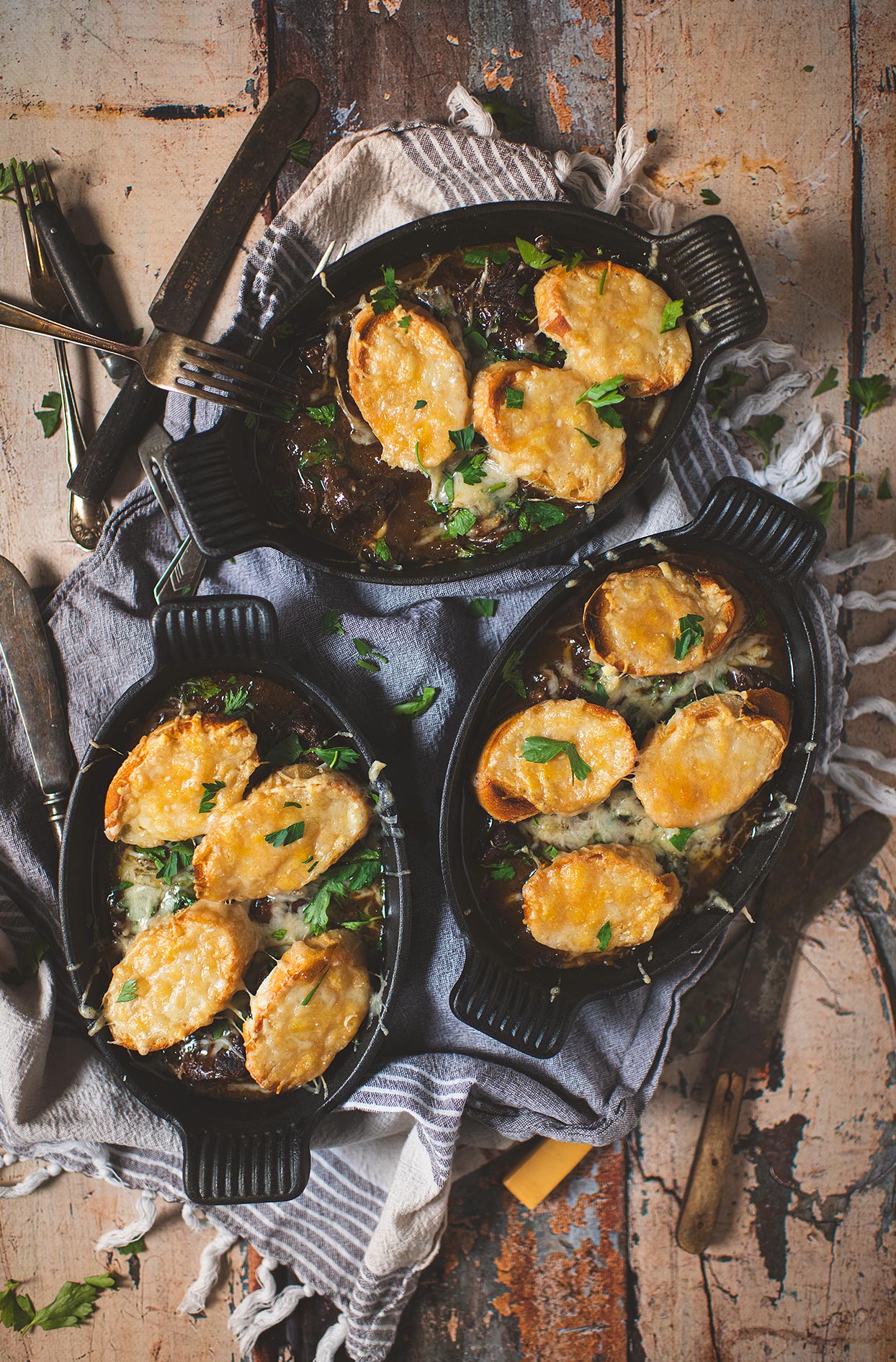
Carbonnade flamande is the Flemish beef stew people mean when they talk about beef braised in ale, and I did not get to call mine good on my own say-so. My best friends live in France, in the Pas-de-Calais, right on the Flanders line. They ate this one. They said it was delicious. When people who grew up on carbonnade tell you yours holds up, you stop second-guessing the pot. I still make it regularly, because braising is the kind of cooking I actually like: long, quiet, nothing to watch over.
🌰 Cinnamon, nutmeg and cloves, my signature
This is where mine parts ways with every other Belgian beef stew you will find. The classic versions stop at sugar, vinegar and mustard for the sweet-and-sour balance. I put cinnamon, nutmeg and whole cloves in the pot on top of that. They give the braise a rounded warmth I have not tasted in any other beef carbonnade. With the sour brown ale, the balsamic and the brown sugar, the sauce goes deep and lightly sweet without ever sliding into dessert. Leek and carrots go in too, and a generous amount of pancetta. Because pancetta is good.
📸 Born from a photo shoot at my studio
The recipe and the styling came out of a photo internship at my studio with the graduating class of 2018-2019 from the ITHQ, Quebec’s hospitality and culinary school. It was built to look as good as it tastes, and it has not moved since. A spelling note while we are here: in French the original Belgian form takes a single n, carbonade. English settled on the double n, so that is the one you see on this page.
Ads
Ads
🔥 Brown in small batches, or do not bother browning at all
This is the single rule that decides whether you get a real Flemish beef stew or brown water. Dump all the beef in the pot at once and the cubes release their water, the temperature crashes, and the meat steams instead of colouring. Everything the sauce is going to taste like for the next two hours comes from that crust. Two batches, three if your pot is small, with actual space between the pieces. It costs you ten extra minutes and it is the difference between the whole dish working and not.
🍺 A sour brown ale, not just any brown ale
The beer choice is not a detail here. You want a sour brown ale, Oud Bruin style, because its natural acidity is what keeps the brown sugar and the balsamic in line. A regular brown ale gives you something heavier and sweeter. A red ale works but stays mild. If nothing sour is available where you shop, take an ordinary brown ale and add one more spoonful of balsamic vinegar. That gets you close.
🌰 Two pinches, not a spice cabinet
Cinnamon and nutmeg go in at two pinches each. The goal is not a spiced dish, it is a background warmth holding up the sweet-and-sour. The cloves stay whole through the simmer and get fished out at serving if you run into one.
🥓 250 g of pancetta for 1 kg of beef
That is generous next to the classic versions, which use a little salt pork or skip it entirely. It is on purpose. The rendered fat carries through the whole sauce and the saltiness pushes back against the sugar. Give it 7 to 8 minutes so it is genuinely browned before you set it aside.
📅 Better tomorrow than today
Like every braise, this one keeps improving overnight. The spices spread out, the sauce thickens on its own, the beef keeps drinking it in. Reheat it gently the next day and it is noticeably better. Which makes it a very good thing to cook the day before people come over.
❄️ Freezing and keeping
It freezes without a fight and the sauce holds. In the fridge, 3 to 4 days in an airtight container. Reheat low and slow, with a splash of broth if it has gone too thick.
✅ What to serve with my carbonnade flamande
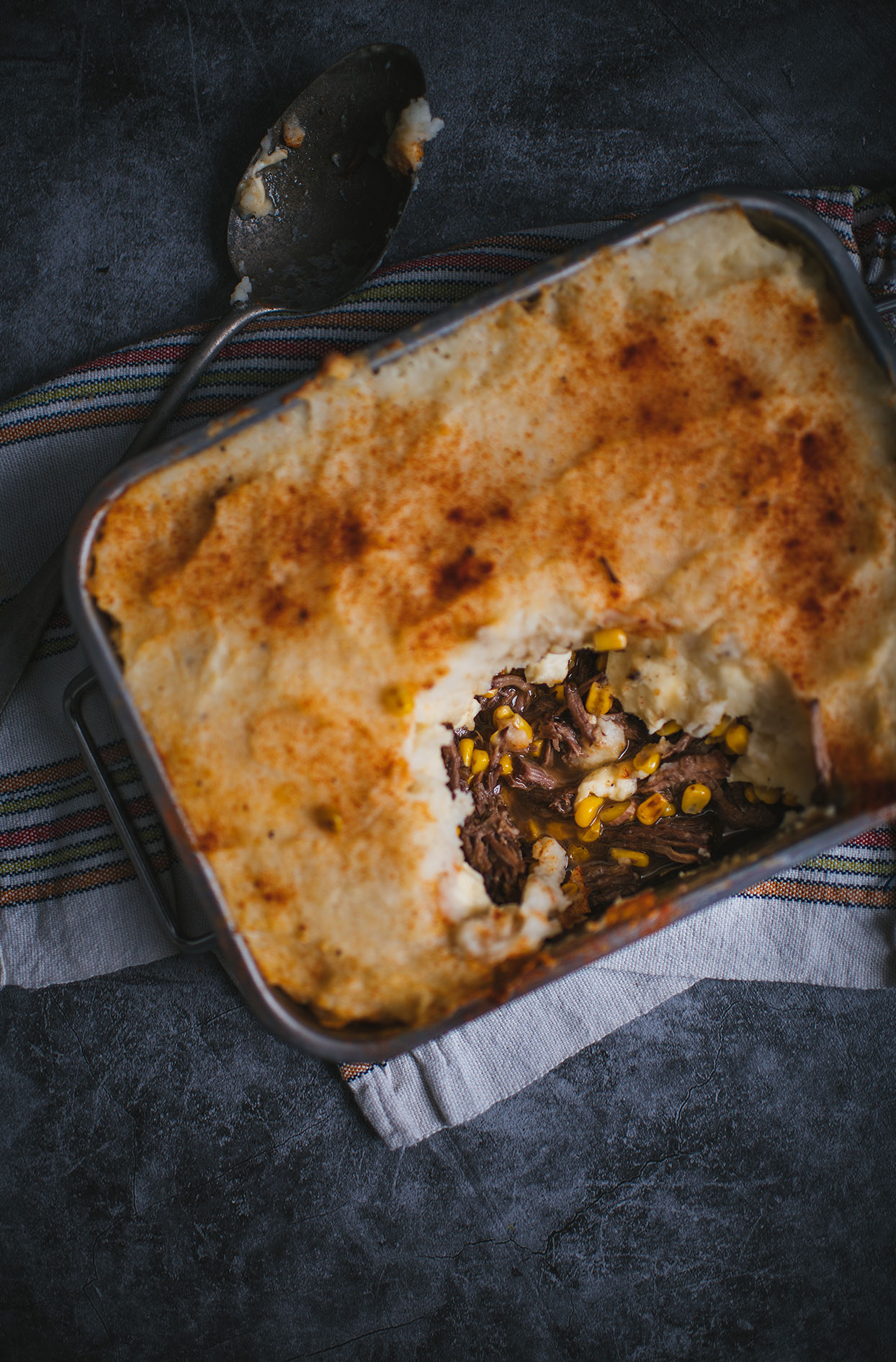
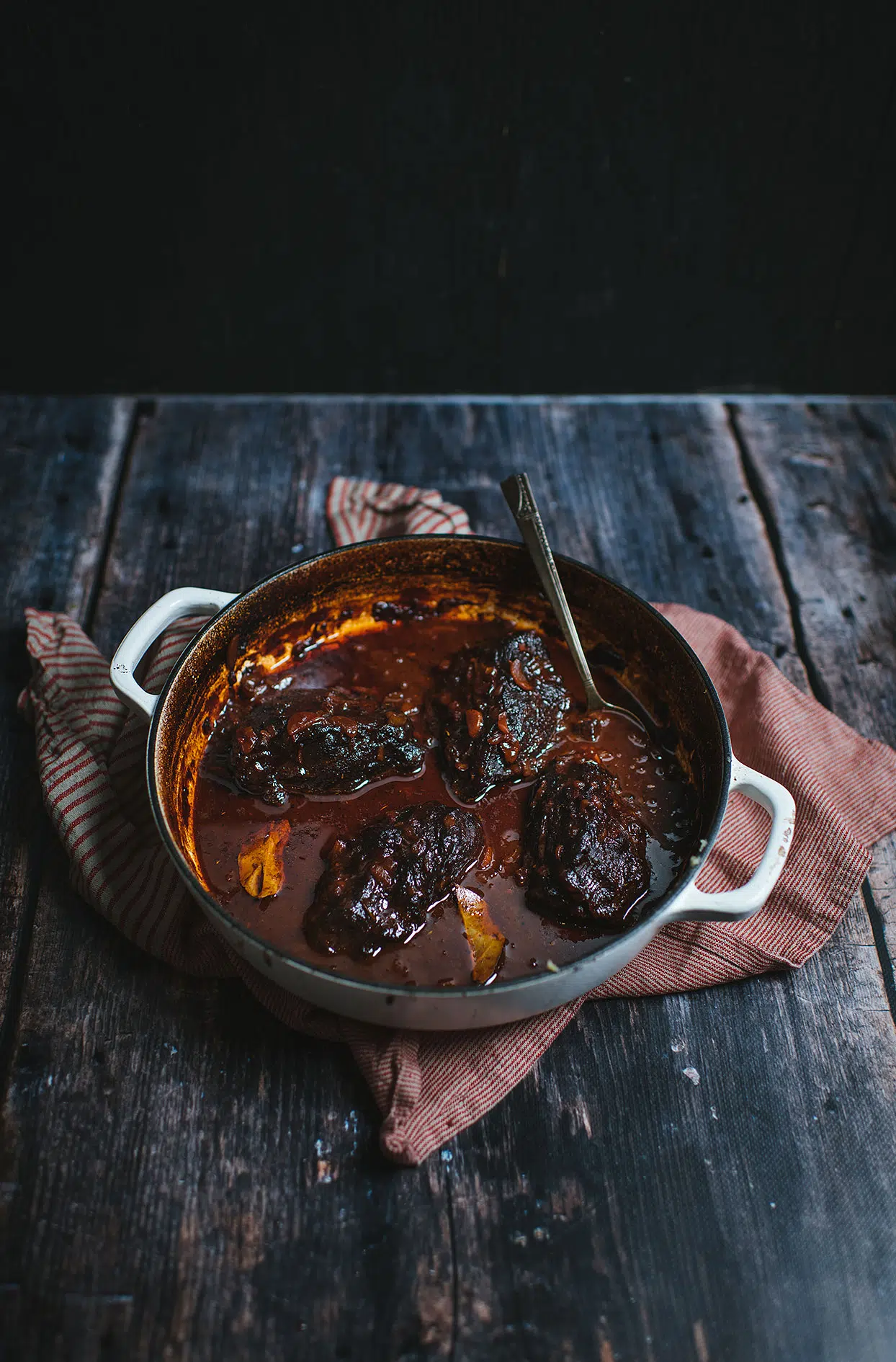
Mashed potatoes or fries, and that is not negotiable in Belgium either, because you need something to mop the sauce with. A green salad on the side cuts the richness. If beer braises are your thing, my red beer braised beef shepherd’s pie and my Guinness braised beef chuck roast are built on the same idea, and my everyday beef stew with beer is the simpler cousin of this one. For long-simmered beef without the beer, there are my slow cooked beef cheeks with port.
Ads
Ingredients
- 1 kg (2.2 lb) beef cubes, patted dry
- 3 tbsp (45 ml) flour
- Olive oil, for cooking
- 250 g (½ lb) pancetta, diced
- 2 carrots, diced
- 1 leek, thinly sliced
- 1 red onion, halved then thinly sliced
- 2 large garlic cloves, finely chopped
- 500 ml (2 cups) sour brown ale, Oud Bruin style
- 2 tbsp (30 ml) balsamic vinegar
- 1 tbsp (15 ml) brown sugar
- 1 tbsp (15 ml) Dijon mustard
- 1 tbsp (15 ml) tomato paste
- 5 sprigs fresh thyme
- 3 whole cloves
- 2 bay leaves
- 2 pinches cinnamon
- 2 pinches nutmeg
- About 1 cup (250 ml) beef broth
- Salt and freshly ground pepper
Ads
Preparation
- In a large bowl, add the beef cubes and the flour, then season generously with salt and pepper. Toss to coat the meat well, then shake off the excess flour.
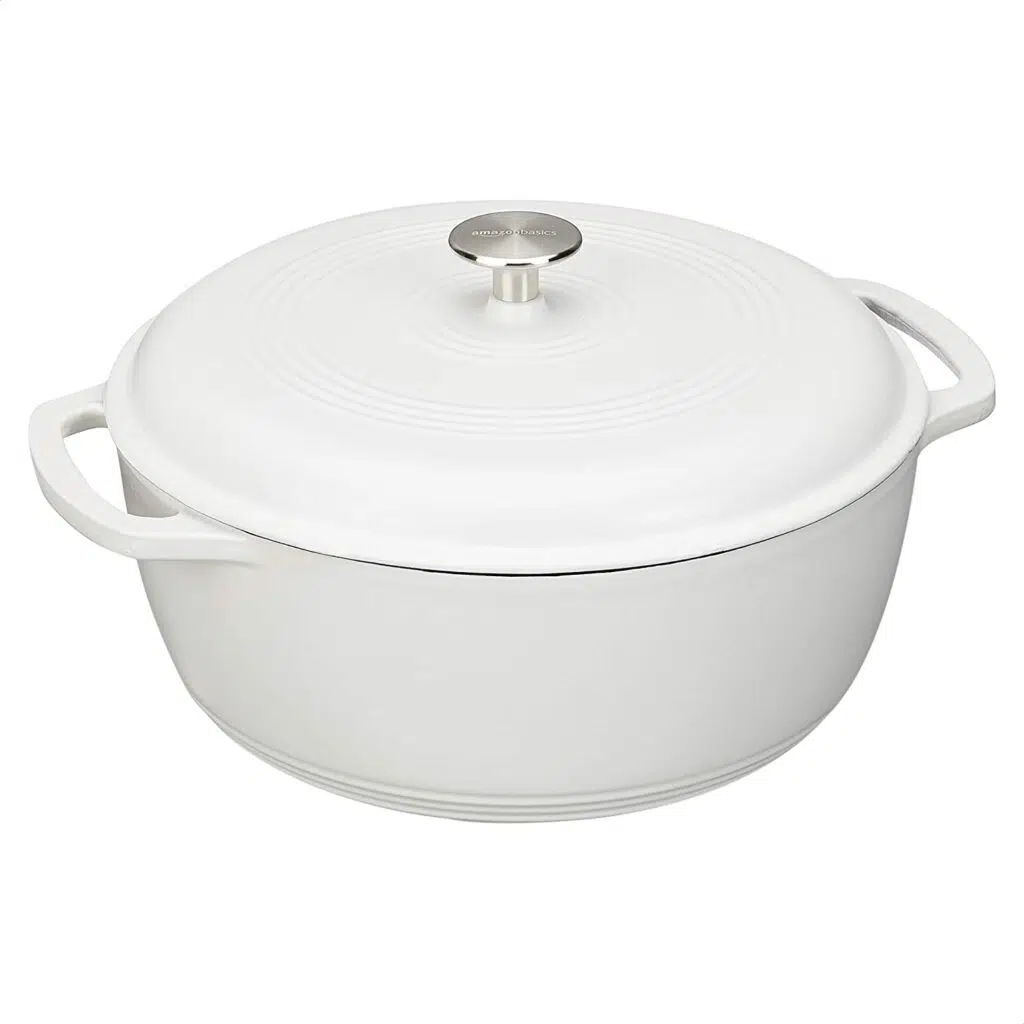
- In a large Dutch oven over medium-high heat, pour in a generous drizzle of olive oil and brown the meat 2 to 3 minutes per side to colour it well, working in small batches. Add more oil as needed. Set the meat aside on a plate.
- Add the pancetta and cook 7 to 8 minutes, stirring. Set aside with the beef.
- Add the carrots, leek, onion and garlic, then season generously with salt and pepper. Cook, stirring, for 7 to 8 minutes to soften the vegetables.
- Pour in the beer and scrape the bottom of the pot to lift all the flavour.
- Return the meat and pancetta to the pot, add the remaining ingredients, then pour in enough beef broth for the liquid to reach three quarters of the way up the meat. Season, stir well. Bring to a boil, reduce to low heat and cover. Simmer 1 hour 45 minutes to 2 hours, or until the beef falls apart easily with a fork. Stir from time to time.
A sour brown ale, Oud Bruin style, is the one to look for. Its acidity is what balances the brown sugar and the balsamic vinegar, and that sweet-and-sour tension is the whole identity of the dish. A standard brown ale works too, just sweeter and heavier, and one extra spoonful of balsamic brings it back into line. What you want to avoid is anything aggressively bitter: two hours of reduction concentrates hop bitterness into something genuinely unpleasant. Belgian dubbels and dark abbey ales are a safe fallback if sour brown is nowhere to be found.
The recipe calls for 1 kg (2.2 lb) of beef cubes, and what is sold as stewing beef in most stores is chuck, sometimes labelled blade. That is exactly what you want: a hard-working cut with enough connective tissue that two hours of low simmering turns it silky instead of stringy. Lean cuts like round or sirloin go dry and tight in a braise, no matter how long you leave them. Pat the cubes dry before flouring them, otherwise they will not brown.
Two things. The malt sugars in the beer caramelize against the browned meat and build the dark, slightly sweet backbone of the sauce, and the beer’s own acidity works on the connective tissue during the long simmer, which is part of why the beef ends up falling apart at the fork. It is not a marinade trick, it is the braising liquid doing the work over 1 hour 45 minutes to 2 hours. The alcohol itself cooks off almost entirely; what stays is malt, roast and a touch of tartness.
It respects every principle of the dish: beef braised slowly in beer, sweet-and-sour balance from sugar, vinegar and mustard, and a long simmer until the meat gives way under a fork. Where I go my own way is the cinnamon, nutmeg and whole cloves, plus leek and carrots. Purists will tell you a carbonnade takes onions and nothing else. The best test I have is the practical one: my closest friends are from the Pas-de-Calais, right next to Flanders, and they ate it and said it was delicious.
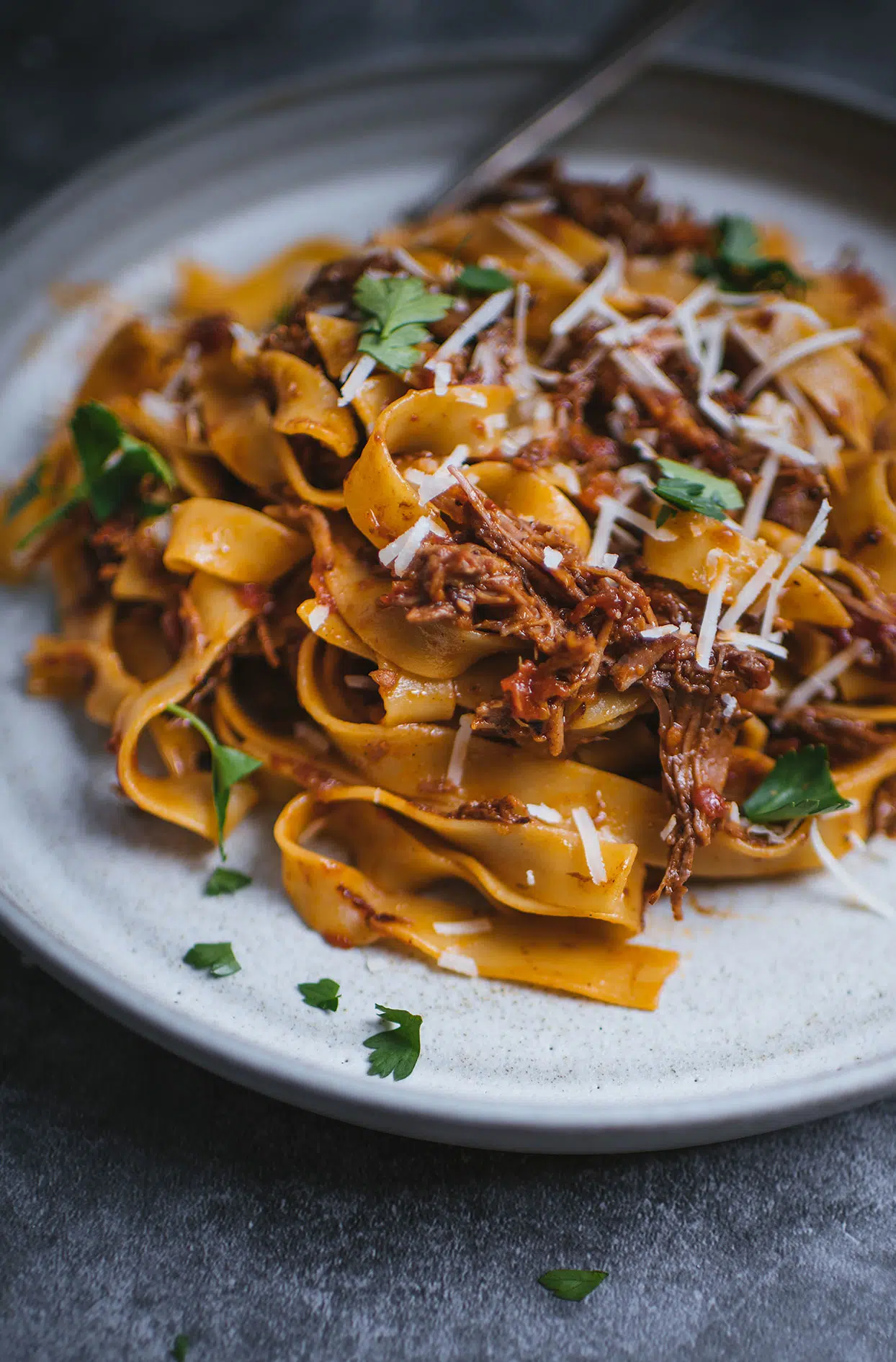
Fries or mashed potatoes, traditionally, and both are right, because the sauce is the point and you need a vehicle for it. Belgians will hand you frites without asking. A green salad alongside lightens the plate. Buttered egg noodles work if you want something faster than either. If you like this kind of cooking, my braised beef ragù sauce and my French onion beef stew are in the same long-simmer family.
Ads
Ads
Ads
Ads
Ads