

Baked Trout Recipe (Sheet Pan Dinner)

with l'épicier
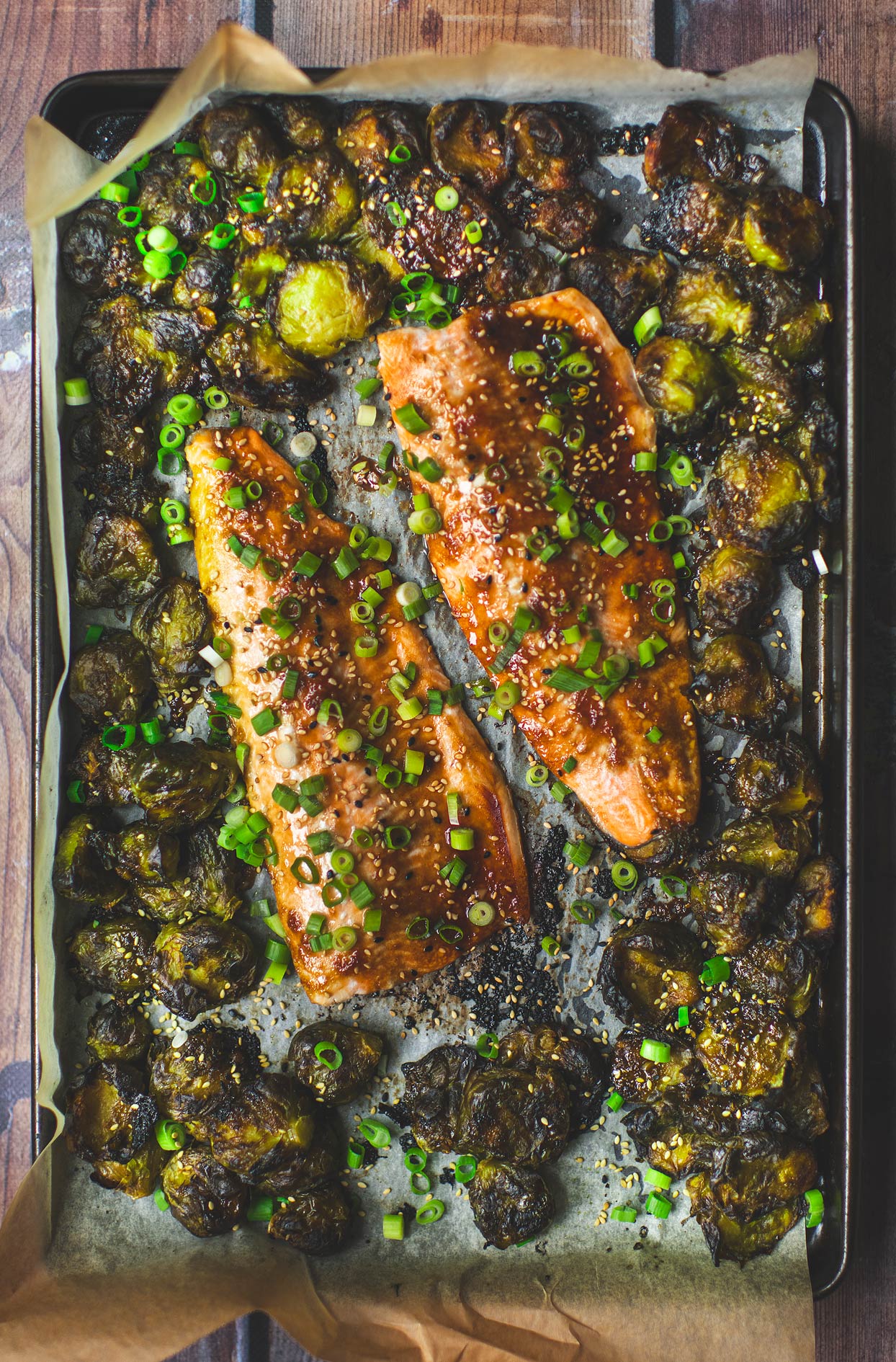
- Preparation 10 min
- Cooking 50 min
- Servings 4
- Freezing Absolutely
Ads
🐟 A whole dinner on ONE pan, and it is so good!
The fish and the vegetable cook together on the same piece of metal. No pot of boiling water, no skillet to babysit, no second dish you are trying to keep warm while the first one finishes. You pull the pan, cut the fillets in half, put the lime on the table. That is it.
Try it on a Tuesday night and watch people’s faces when it lands.
🥬 Frozen Brussels sprouts that I smash, and it is brilliant
Two things nobody does. Most recipes buy fresh sprouts and blanch them before roasting: one more pot and seven minutes wasted. I take the bag out of the freezer and throw them still frozen onto a screaming hot pan. It sizzles on contact, and that sound is exactly what you want to hear.
Then, halfway through, I smash them one by one with the bottom of a glass. It doubles the surface touching the pan, and the leaves that break loose turn into chips. Those are the best bites on the plate, I promise.
🍯 The miso-hoisin glaze does all the work
Miso, hoisin, honey, soy, sesame, ginger, garlic. Sweet, salty and fermented in the same bowl, and it makes a lacquer that caramelizes on the trout and the sprouts at the same time.
It goes on late, twelve minutes from the end, because the honey would burn before the fish is cooked. And the rest you pour on raw, straight out of the oven. That contrast between the caramelized glaze and the fresh one is what makes the dish.
Ads
Ads
🔥 The pan heats with the oven, always
This is the move that separates roasted sprouts from steamed ones. A vegetable set on a cold pan waits for the metal to heat up before it starts browning, and while it waits it releases its water and cooks in it. On an already-scorching pan, browning starts on contact. The sizzle when the sprouts land is the signal that it worked.
📄 Yes, parchment paper, and I stand by it
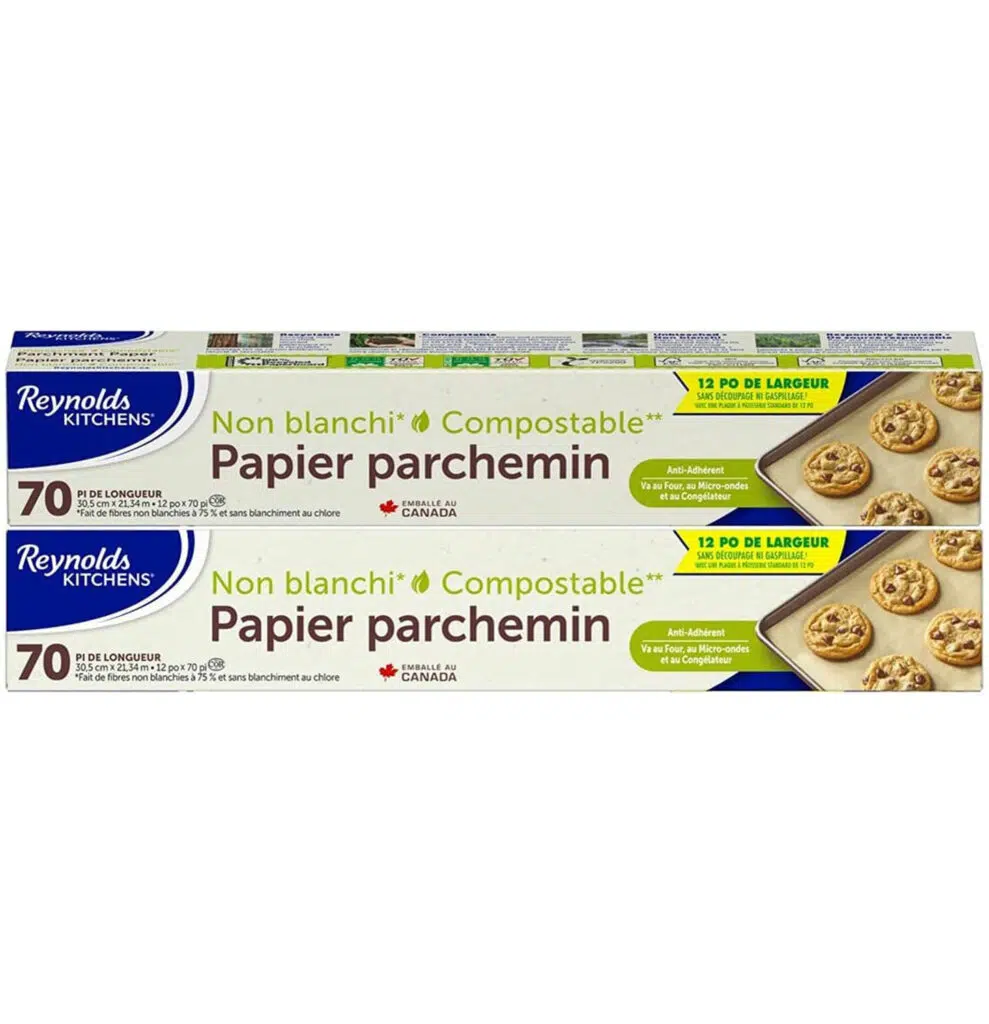
Technically, a bare pan gives you even darker edges because the metal touches the vegetable directly. But we are brushing a honey-and-hoisin glaze onto this, and caramelized sugar on bare metal means half an hour of scrubbing after dinner. The parchment costs me a little crispness and saves me the cleanup. I made my choice. If you want maximum crust and do not mind scrubbing, skip it.
🥃 The glass, and the little twist of the wrist
The sprouts stick to the bottom of the glass, that is normal, and that is where people get frustrated. The fix: push the glass slightly sideways as you lift it. That small shift releases the sprout and leaves it on the pan. One centimeter thick, no thinner, or it falls apart completely.
🍂 Leave the loose leaves alone
Every smashed sprout sheds two or three leaves that scatter across the pan. Do not gather them up. Those are the ones that turn into chips, and honestly they are the best bites on the plate. They darken faster than the rest, which is the whole idea.
🥬 With fresh sprouts, you do not even need to smash
Fresh Brussels sprouts do not have the same density as frozen ones. Just halve them, cut side down on the pan, and count on roughly the same time. Smashing is there to open up a whole sprout that has been frozen, not to fix a fresh one.
🍣 Salmon works too, just watch the timing
If you want to swap the trout for salmon, go ahead. Same glaze, same method. The only adjustment is time: a salmon fillet is thicker than a trout fillet, so add a few minutes and trust the fork. The flesh should flake apart.
🧂 Granulated miso, and where to find it
It is dehydrated miso, sold in small sachets in the Asian aisle of any large grocery store. It keeps far longer than a tub of miso paste sitting open in the fridge, which is why I always have some. You just have to dissolve it first: granules into the rice vinegar, mashed with a fork, and only then the rest of the glaze. Otherwise you end up with grains of miso floating in your sauce.
📅 Make ahead
The glaze can be made entirely ahead. Everything in a jar, shaken or whisked, and it holds a good week in the fridge. It is the only part that takes any attention, so making it the day before changes the whole dinner. You can also slice the green onions, grate the ginger and garlic, and cut the lime into wedges a few hours ahead. The sprouts, though, stay in the freezer until the last second: it is the exact opposite of a normal mise en place, but here the cold is an ingredient. What never gets made ahead: the trout. Fish that is cooked and then reheated dries out and loses everything. It goes into the oven twelve minutes before you eat, and not a minute earlier. Conveniently, that is also when the house starts to smell like dinner.
✅ What to serve with my baked trout and smashed Brussels sprouts?
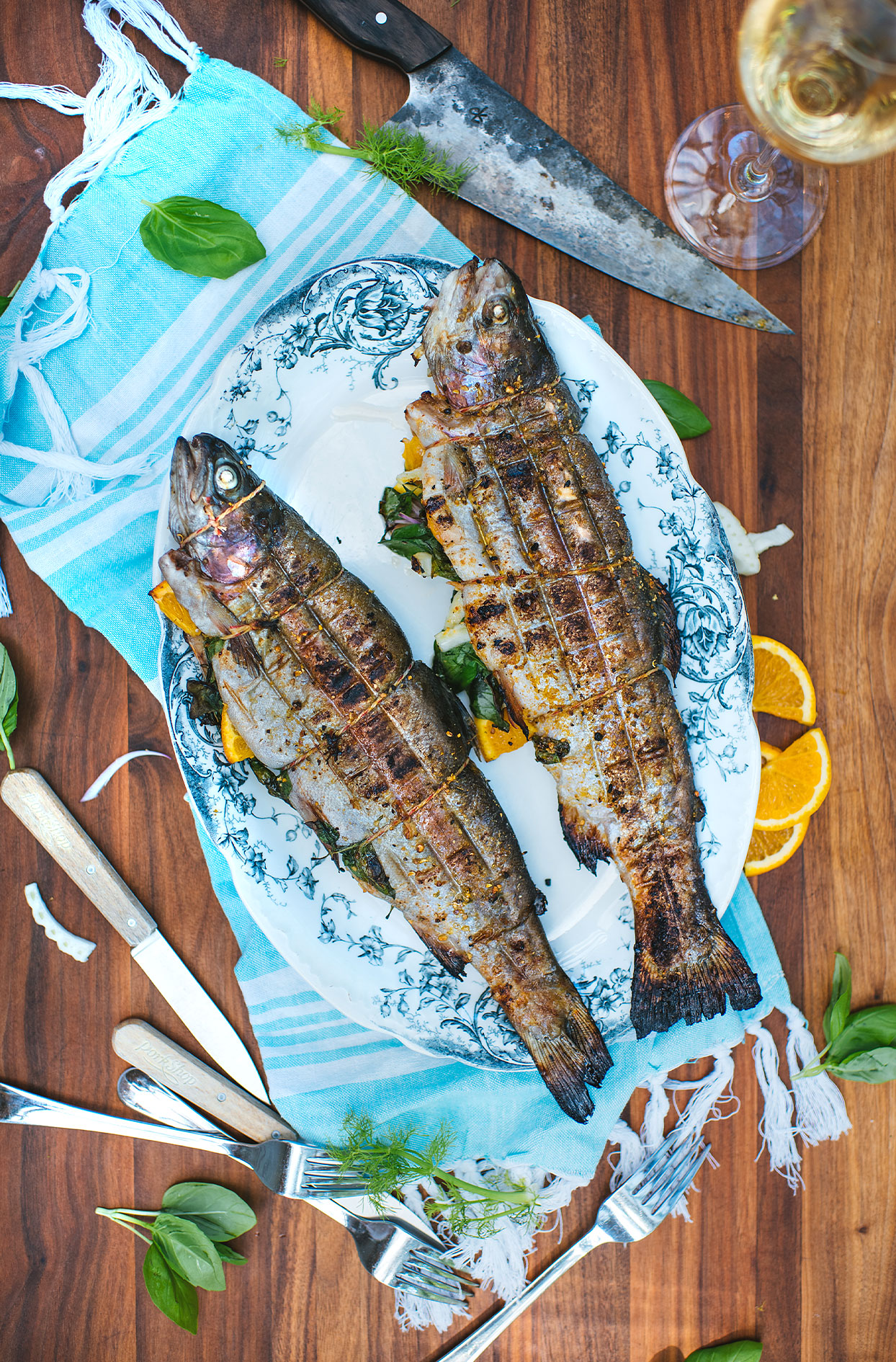
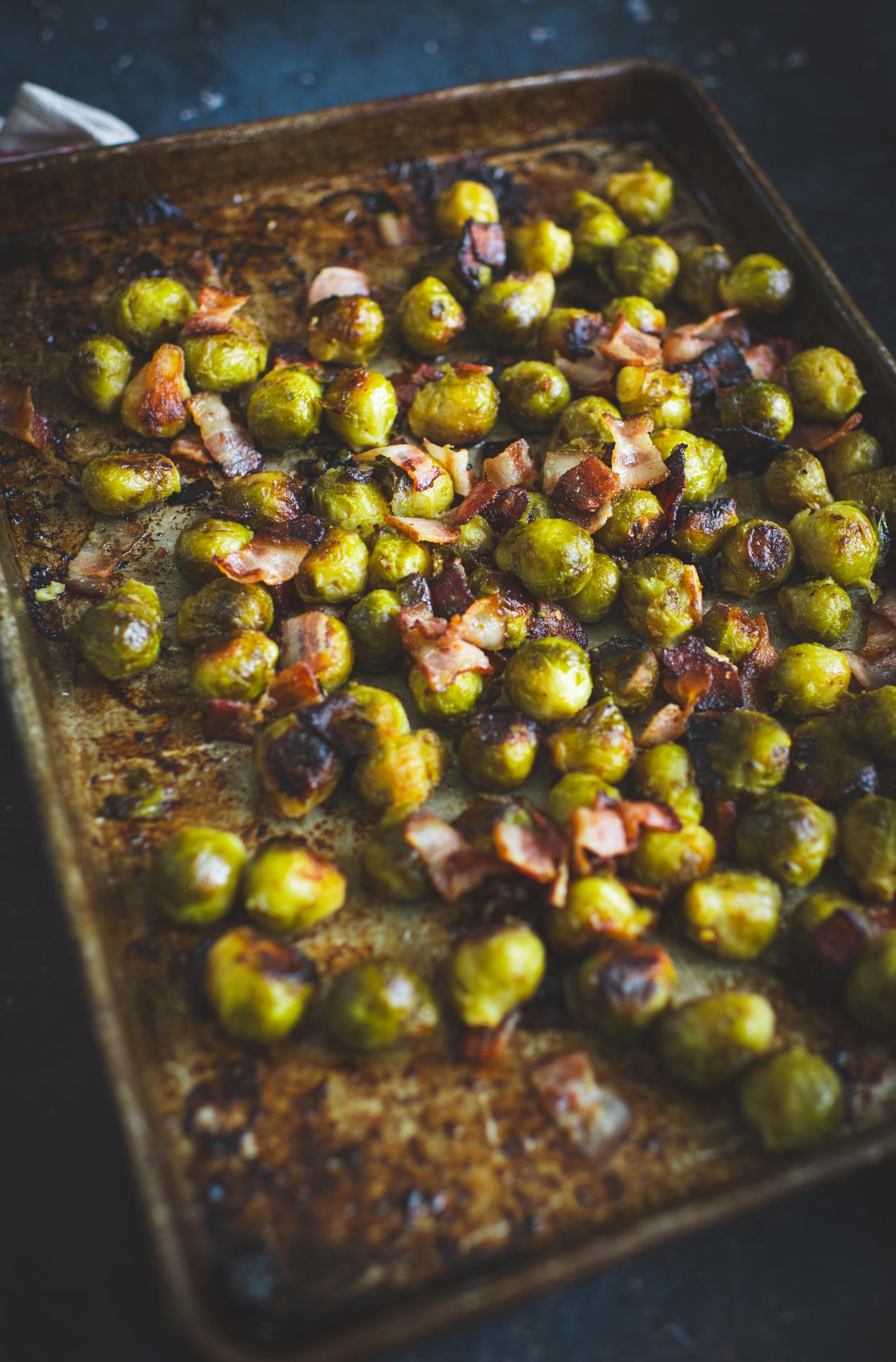
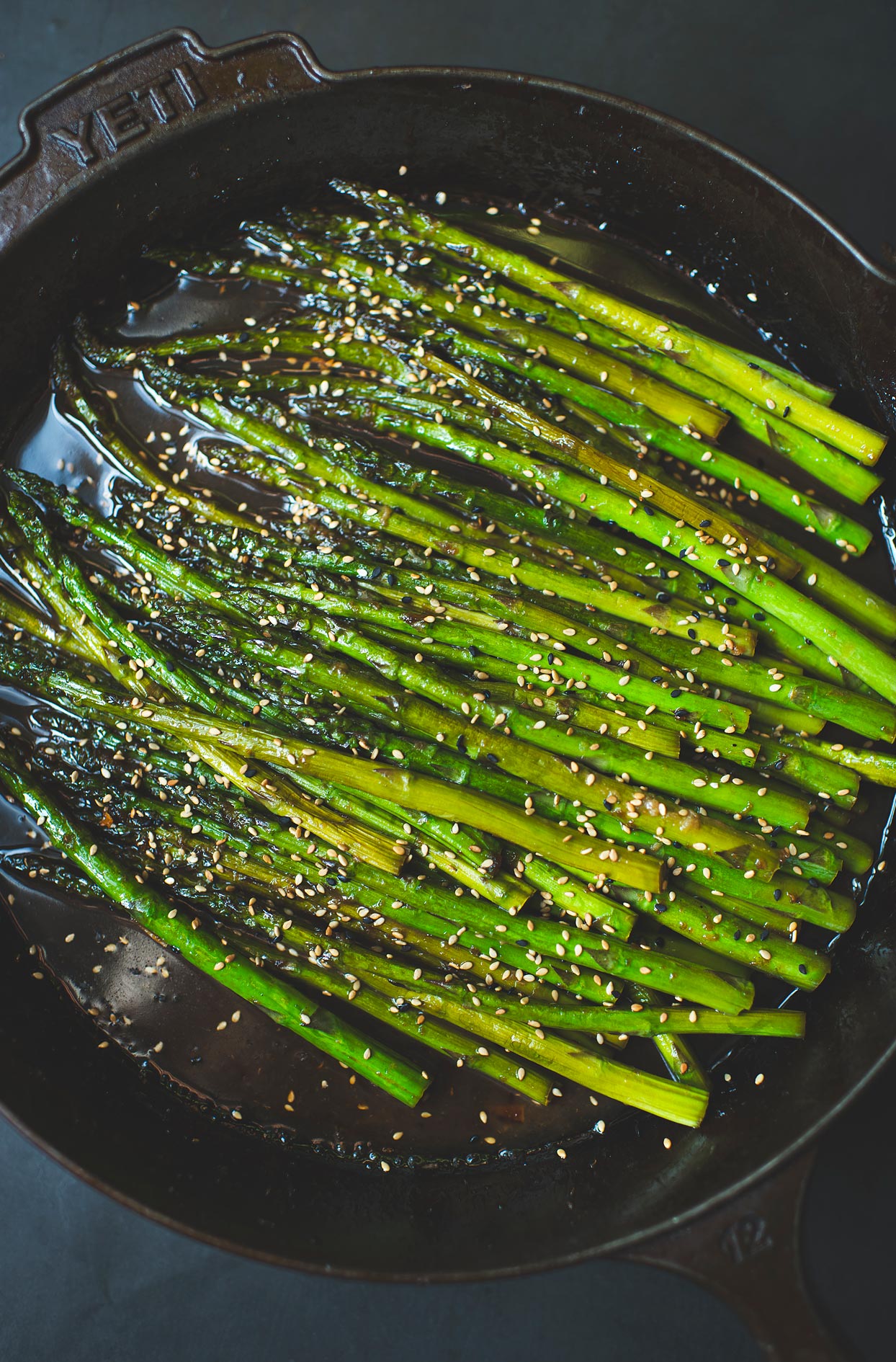
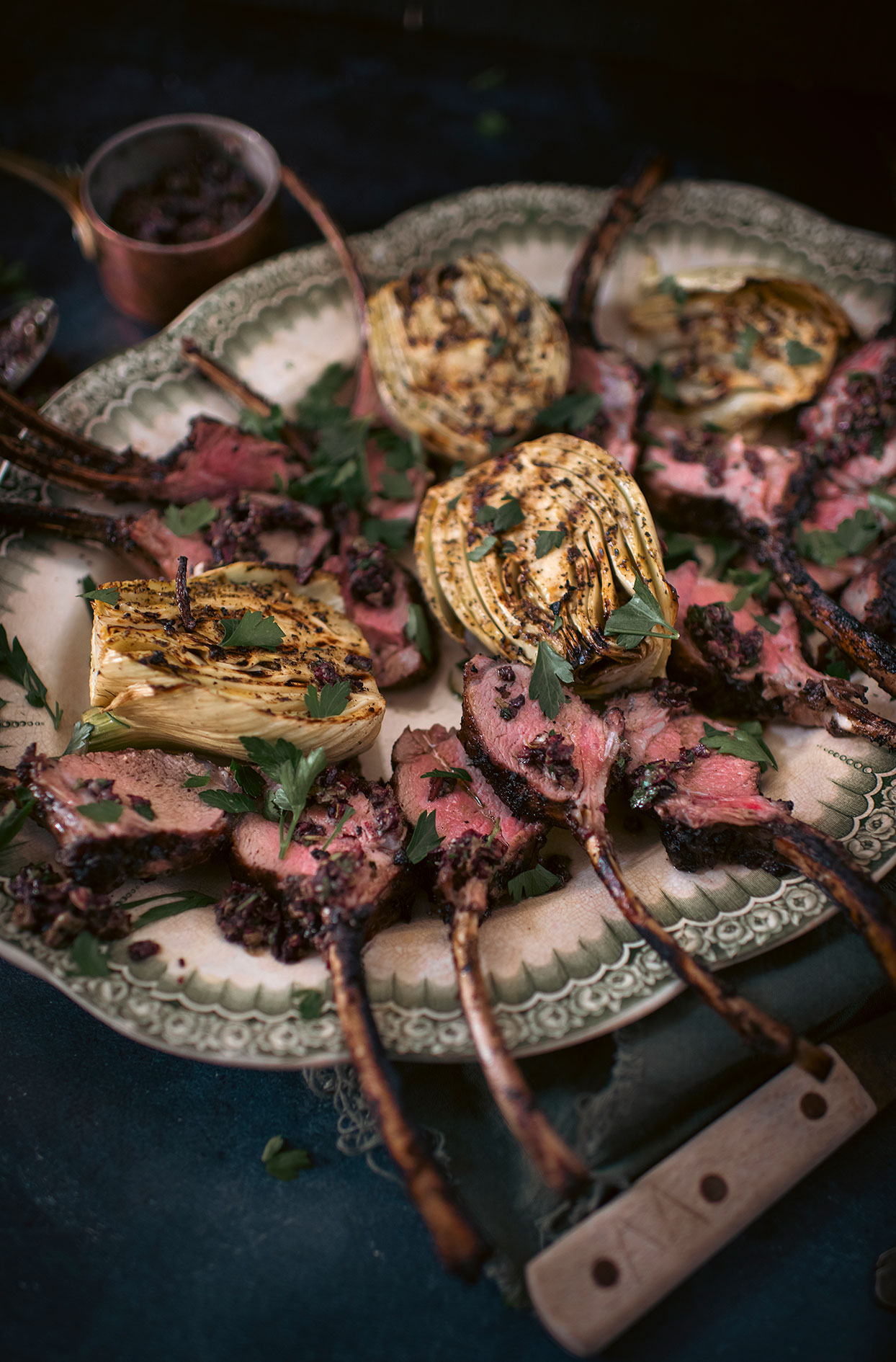
It is a complete dinner, but plain rice on the side is never a bad idea: it picks up the glaze left in the pan. For a cold, acidic contrast, my Asian cucumber salad is perfect. And if you have company, my grilled asparagus with miso and maple stays in the same family of flavors without repeating the dish. If you like trout, go look at my grilled trout with fennel, orange and basil, which is completely different, or my roasted Brussels sprouts with bacon, mustard and maple syrup when it is the vegetable you are after.
Ads
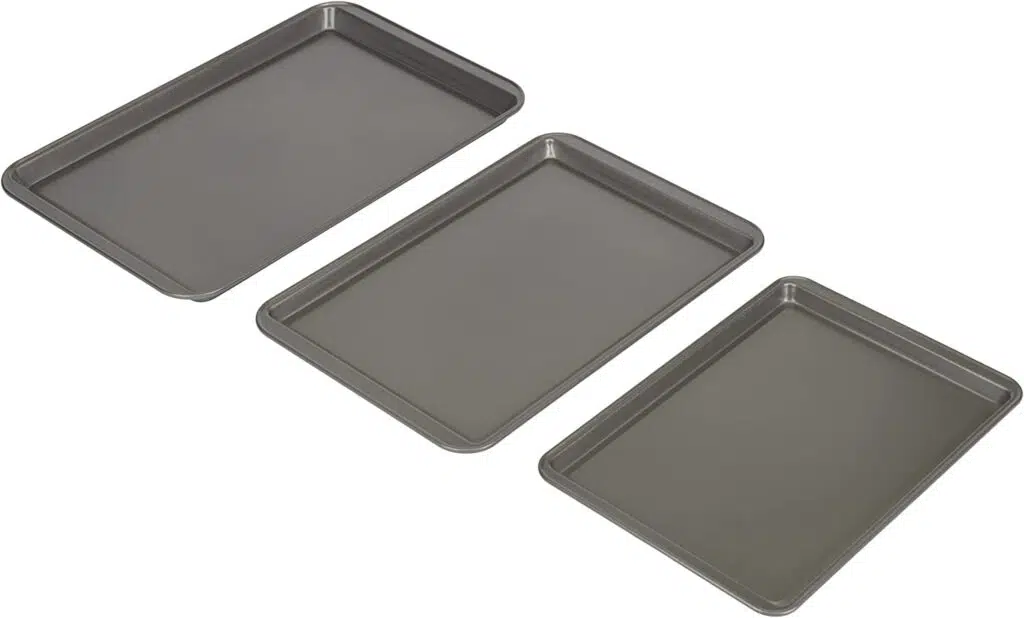
Sheet pan
- 675 g (1.5 lb) whole frozen Brussels sprouts, still frozen
- 2 tbsp (30 ml) olive oil
- 2 rainbow trout fillets, about 250 g (1/2 lb) each, skin on
- Salt and pepper
Glaze
- 1 tbsp (15 ml) granulated miso
- 1 tbsp (15 ml) rice vinegar
- 2 tbsp (30 ml) hoisin sauce
- 2 tbsp (30 ml) honey
- 1 tbsp (15 ml) soy sauce
- 1 tbsp (15 ml) toasted sesame oil
- 1 tbsp (15 ml) fresh ginger, finely grated
- 2 garlic cloves, grated
To finish
- 2 green onions, thinly sliced
- 1 tbsp (15 ml) sesame seeds
- 1 lime, cut into wedges
Ads
Preparation
- Place an empty sheet pan on the center rack and preheat the oven to 425 °F (220 °C). The pan heats along with the oven, which is what roasts the sprouts instead of letting them steam in their own water.
- In a bowl, toss the still-frozen Brussels sprouts with 1 1/2 tbsp (22 ml) of the olive oil. Season with salt and pepper. Do not thaw them, the cold keeps them firm.
- Pull out the hot pan, line it with a sheet of parchment paper and spread the sprouts in a single layer, not touching. It will sizzle. Return to the oven for 22 minutes, until a fork slides in without resistance.
- Meanwhile, put the granulated miso in a small bowl with the rice vinegar and mash with a fork until the granules are fully dissolved. Add the hoisin sauce, honey, soy sauce, sesame oil, ginger and garlic, then whisk.
- Pull out the pan and smash each sprout with the bottom of a glass, flattening it to about 1 cm. Push the glass slightly sideways as you lift it, which releases the sprout instead of dragging it along. The leaves that break loose on the pan are exactly what you want, they are the ones that turn crispy. Drizzle with the remaining olive oil and return to the oven for 15 minutes.
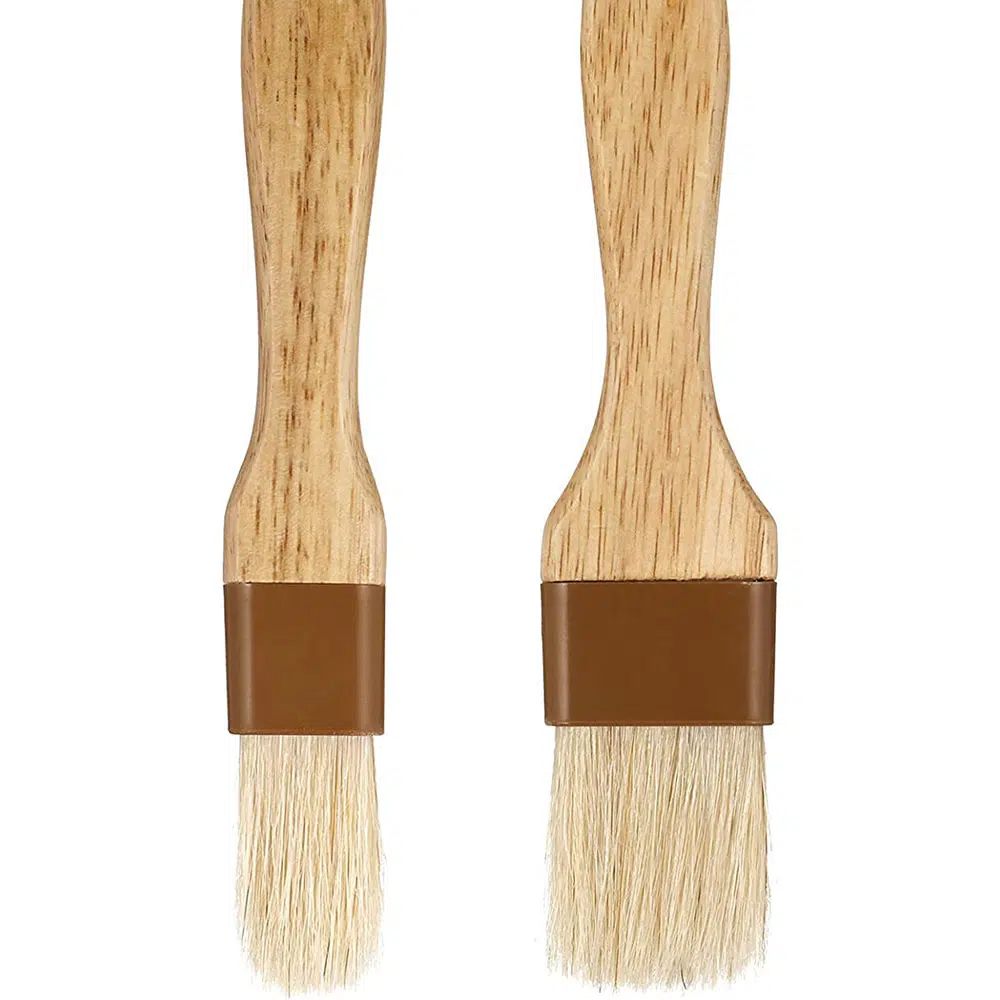
- Push the sprouts toward both ends of the pan and lay the trout fillets in the center, skin side down. Season with pepper, then brush the trout and the sprouts with two thirds of the glaze.
- Return to the oven for 12 minutes, until the trout flakes apart when you press it with a fork and the edges of the sprouts are deeply browned.
- Cut each fillet in half, drizzle with the remaining glaze, scatter with green onions and sesame seeds, and serve with the lime wedges.
For fillets, a hot oven at 425 °F (220 °C), skin side down, without flipping. A trout fillet around 250 g takes about twelve minutes. The reliable test is the fork: press gently on the thickest part, and if the flesh separates into opaque flakes, it is done. The official standard is 145 °F (63 °C) internal per the FDA, but honestly, at that thickness your eyes are enough. Overcooked trout goes dry and cottony, so pull it the moment it flakes.
Trout is mild, which means it takes strong seasoning better than people expect. The classic route is lemon, butter, dill and garlic. The route I take here is the opposite side of the world: miso, hoisin, honey and toasted sesame, with fresh ginger and garlic. Sweet-salty and fermented work because trout has enough fat to carry them without disappearing. What you want to avoid is anything heavy and creamy, which flattens the fish.
No. Freezing has already ruptured the cell walls, and thawing releases all that water, giving you soft sprouts that then soak the pan. Thrown still frozen onto a scorching pan, they start browning before they have a chance to weep. It is counterintuitive and it is what works best.
Surface area. A whole sprout touches the pan at one small point; smashed to a centimeter, it makes contact across its whole width, and that is where caramelization happens. Smashing also forces out some of the moisture trapped inside, the very thing that otherwise keeps them from crisping. As a bonus, the leaves that break loose turn into chips. With fresh sprouts the step is unnecessary: halve them and you are done.
Dehydrated miso, sold in small sachets in the Asian aisle of most large grocery stores. Unlike miso paste, which keeps a few months once opened, granules last a very long time in the cupboard. You have to dissolve them in liquid before building the sauce or they stay grainy. If all you have is paste, a tablespoon does the same thing, added straight in with the rest.
Two to three days in the fridge in an airtight container. The smashed sprouts will soften, there is no avoiding it, but they still eat well. To reheat, a low oven or an air fryer works far better than a microwave, which dries the trout out in seconds. Go gentle and slow, and stop as soon as it is warm.
Ads
Ads

Ads
Ads
Ads