

Pork tenderloins with mustard, smoked paprika and honey
- Preparation 20 min
- Refrigeration 3 h
- Cooking 30 min
- Servings 4
- Freezing Absolutely
Ads
🔥 An old recipe, and one of the most popular on the site
This one has been online since 2017 and it has never left the front of the pack. I’ve always loved pork, but a pork tenderloin cooked right is another world entirely. It all comes down to one thing: don’t overcook it. At our place the kids eat it with a small salad and rice, and there’s never any left. It’s a weeknight recipe that still holds up on a Saturday night with company. And it works everywhere: in the oven, on the BBQ, in the air fryer.
🥣 My pork tenderloin marinade, a paste that clings
What changes everything here is the texture of the marinade. It’s a mix of wet and dry that ends up as a paste. Dijon mustard builds the base, grainy mustard brings the texture, honey brings the sweetness, and the spices grab onto the meat like velcro. It doesn’t run to the bottom of the dish, it coats every tenderloin, and in the oven it caramelizes into a crust. I always grab sweet smoked paprika, never medium or hot, and sea salt instead of iodized salt. My own addition is the Italian herb blend: I’ve always loved that mix and I put it in just about everything.
🌡️ Baked pork tenderloin at 400°F, not 425°F
I cook my tenderloins at 400°F while most recipes climb to 425°F. A slightly gentler heat keeps the juices in the meat. Five or six minutes of searing in a pan for the crust, 20 to 25 minutes in the oven, 135°F on the thermometer, five minutes of rest under foil. That’s the whole recipe. If it’s the BBQ and maple syrup version you’re after, go see my grilled maple Dijon pork tenderloin instead. This one is the weeknight oven version.
Ads
Ads
🧂 Sea salt or iodized salt, not the same thing
I always use sea salt in my marinade. It’s harvested by evaporating seawater and it keeps its natural minerals, magnesium, potassium, calcium, which gives a more complex taste. Iodized salt is refined salt with synthetic iodine added. More metallic, flatter. In a marinade this short, you taste it. If iodized is all you have, the recipe will still be good, but this is the detail that makes the difference.
🌶️ Sweet smoked paprika, never the hot one
I always grab sweet smoked paprika, never medium or hot. Sweet gives the smoky depth without the aggression, which is exactly what honey needs. Hot paprika flattens everything else, and it’s harder to find at the grocery store. Want some heat anyway? A pinch of cayenne in the marinade lifts things without taking over. For kids, zero cayenne, sweet paprika alone does the job.
🌿 Italian herbs, my own addition
Nobody else puts Italian herbs in this style of marinade. I do, and there’s no complicated story behind it: I’ve always loved that blend, oregano, basil, thyme, rosemary, and I put it in just about everything. Here it brings an herbaceous depth that balances the sweetness of the honey and the smoke of the paprika. Grab the store-bought blend, no need to grind your own.
🥣 A pork tenderloin marinade that’s a paste, not a liquid
The thing that changes everything: the marinade has to form a paste that clings. Both mustards combined with honey create that dense texture that coats the meat instead of pooling at the bottom of the dish. Massage the tenderloins well, then marinate 3 hours in the fridge in an airtight container. Three hours is the number. Overnight is not a bonus: the salt has time to work on the fibres and it can change the texture of the meat. Take them out 30 minutes before cooking so they temper.
🍯 Why non-stick and not cast iron
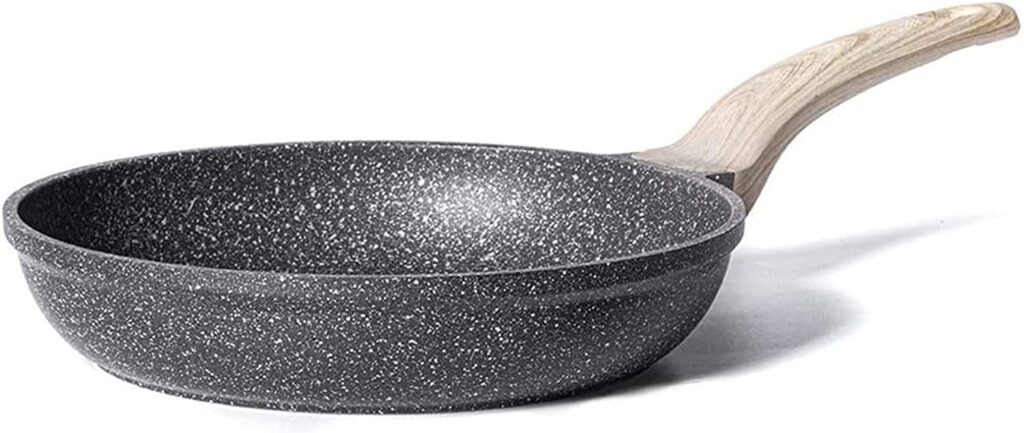
The non-stick pan isn’t there out of caution, it’s there because honey sticks and burns. A sweet marinade in cast iron over high heat goes black before the crust even forms, and the bottom of the pan is a write-off. Medium heat, a thin drizzle of oil, 5 to 6 minutes turning the tenderloins to colour all sides. You’re chasing colour, not doneness: the oven does the rest.
🌡️ 135°F, when the official number says 145°F
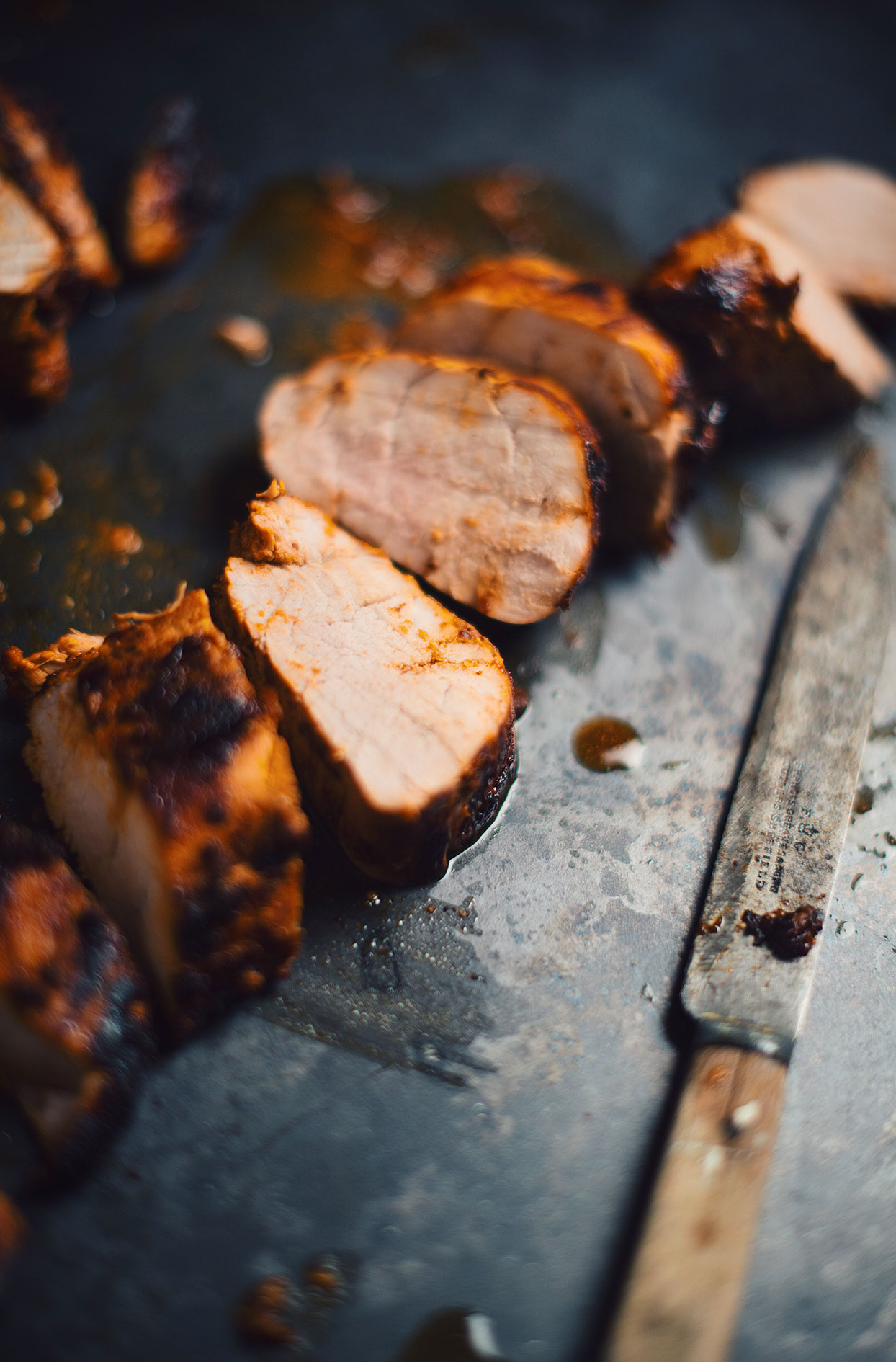
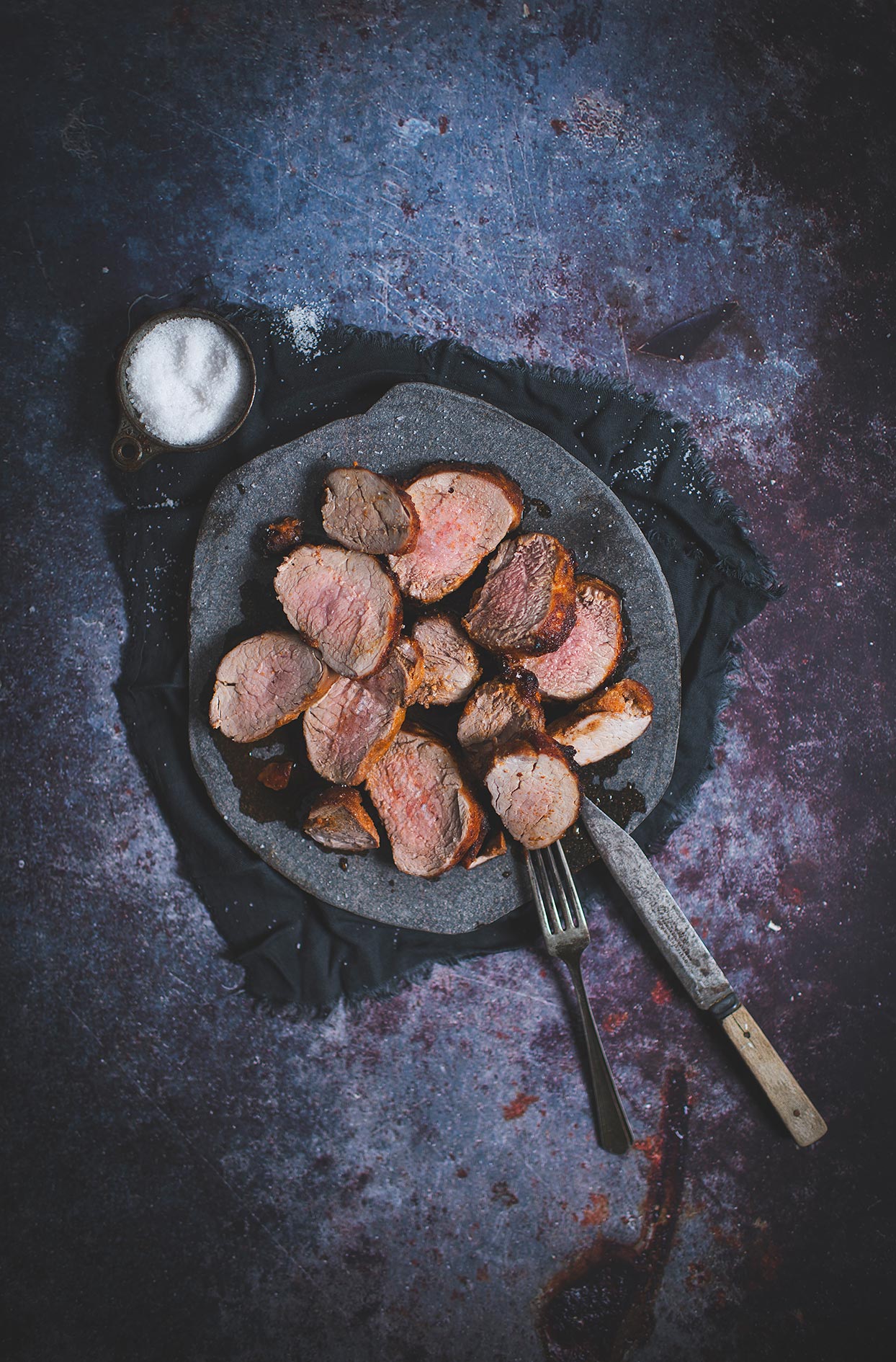
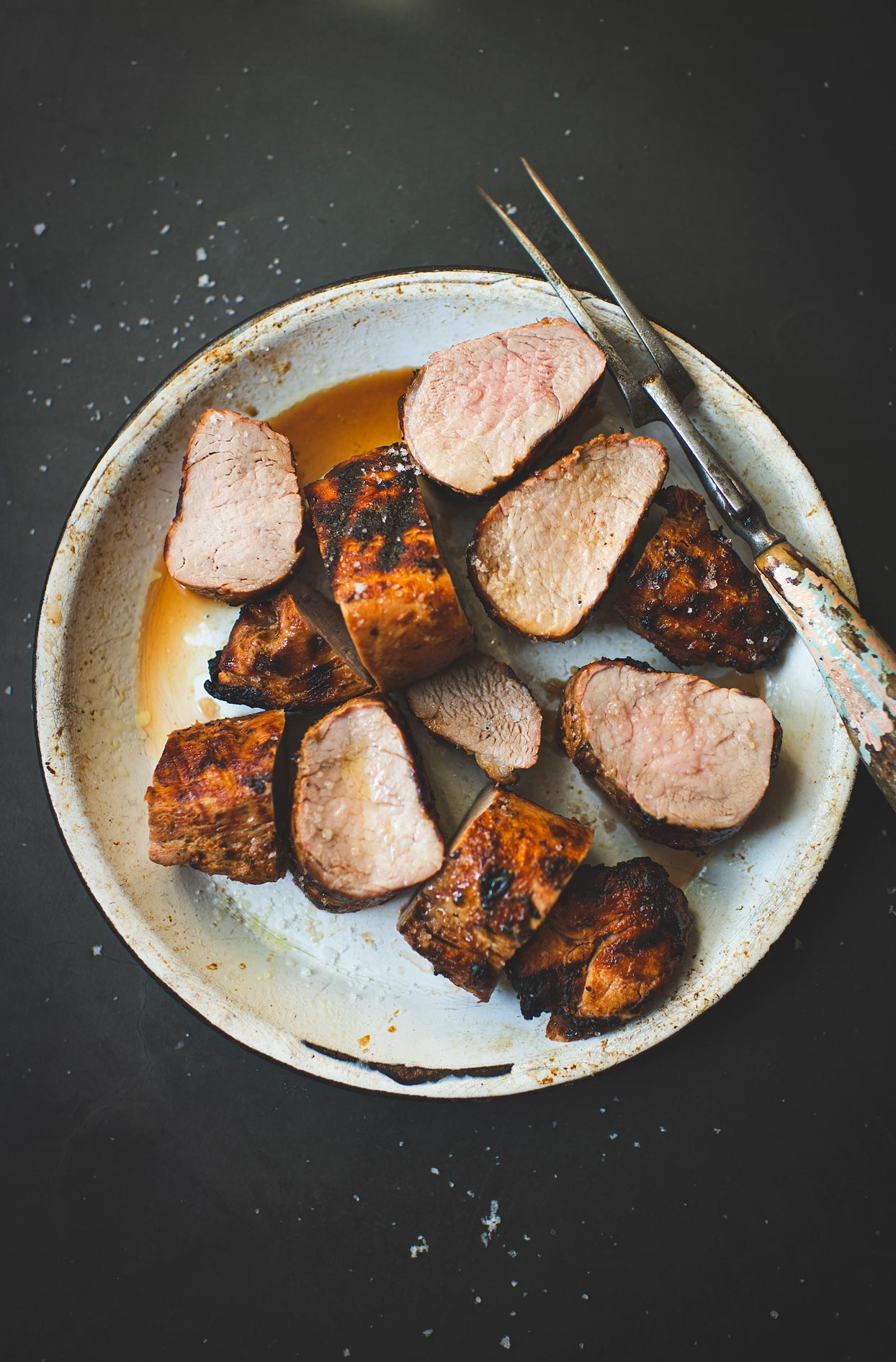
Le Porc du Québec recommends 145°F (63°C) for pink pork. I pull mine at 135°F (57°C), and I stand behind it. The reason is simple: a tenderloin is a tiny piece of meat, it keeps cooking once it leaves the oven and it goes really fast. During the 5 minutes of rest the temperature climbs to around 140°F on its own. If you wait for 145°F on the thermometer before pulling the tray, you’ll be eating 150°F pork and it’s dry. Same number in the air fryer, 135°F, for the same reason. Invest in a meat thermometer, it’s the only way to nail this every time. The meat and fish cooking temperature guide covers the rest.
⏰ Five minutes of rest under foil
Pull the tenderloins from the oven, set them on a plate and cover them with aluminum foil for 5 minutes. That’s the time the juices need to settle back into the fibres. Skip it and everything runs out on the cutting board, leaving nothing in the meat. Then slice into medallions 2 to 3 cm thick. Any thinner and they go cold before they reach the plate.
🔥 The same pork tenderloin on the BBQ, and on other meats
This marinade works just as well on the grill. Indirect heat, about 8 to 12 minutes per side, and still 135°F in the centre. It’s versatile: the same honey, mustard and paprika paste on pork chops, adjusting the time for thickness, or on chicken, breasts or thighs, aiming for 165°F. And if you want the fast weeknight version, there’s my best air fryer pork tenderloin.
❄️ Ahead of time, freezing and leftovers
Let’s be honest: there isn’t much to do ahead on this recipe. The one real thing is marinating your tenderloins ahead. For the freezer, it goes in raw and marinated, right in its bag, up to 3 months. Thaw it in the fridge, never on the counter, then cook it exactly as written. Cooked leftovers keep 3 to 4 days in the fridge in an airtight container. To reheat without drying them out: in the oven, not hot and not hard, or in a pan. Never over high heat.
✅ What to serve with my pork tenderloins with mustard, smoked paprika and honey?
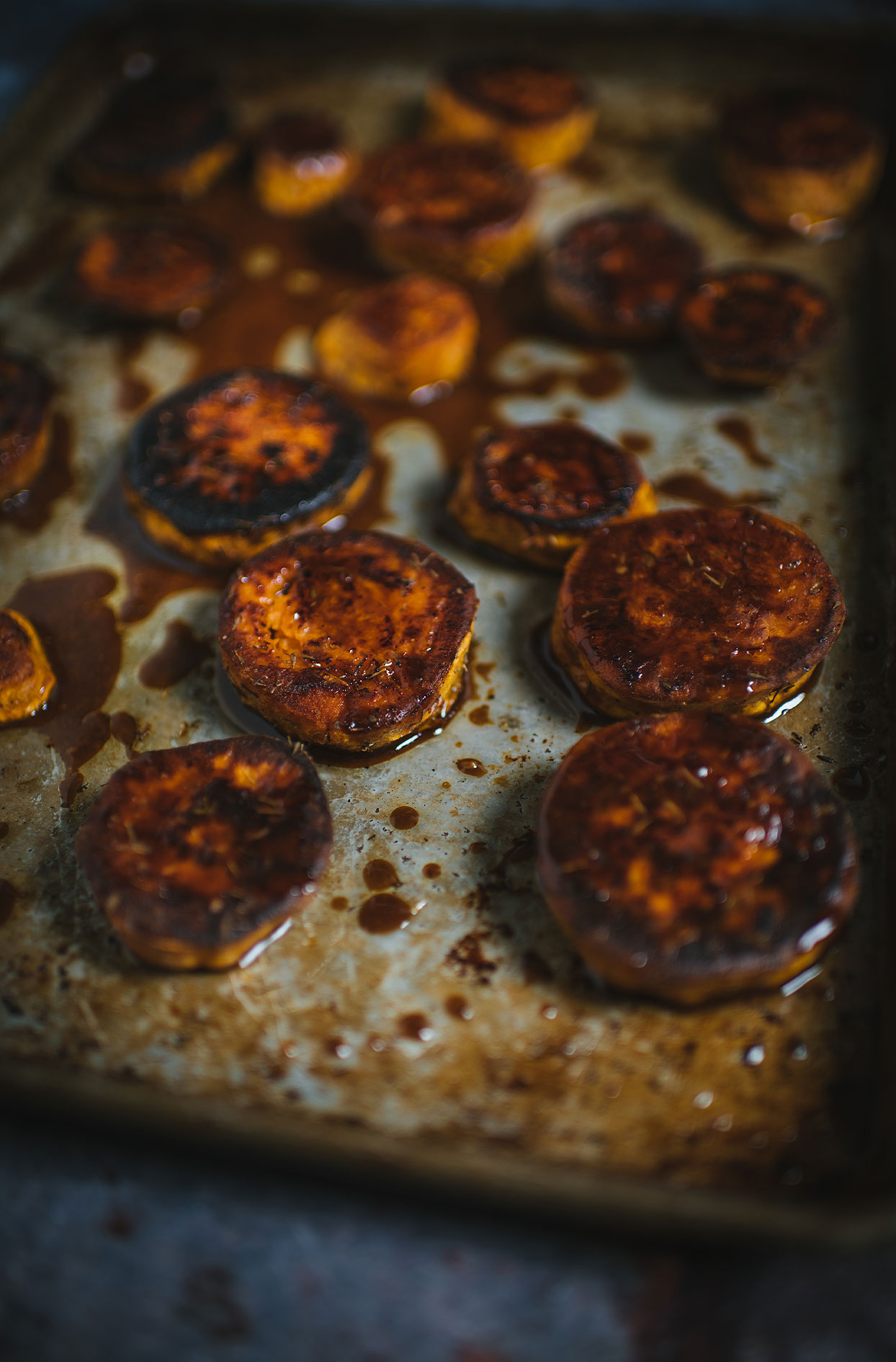
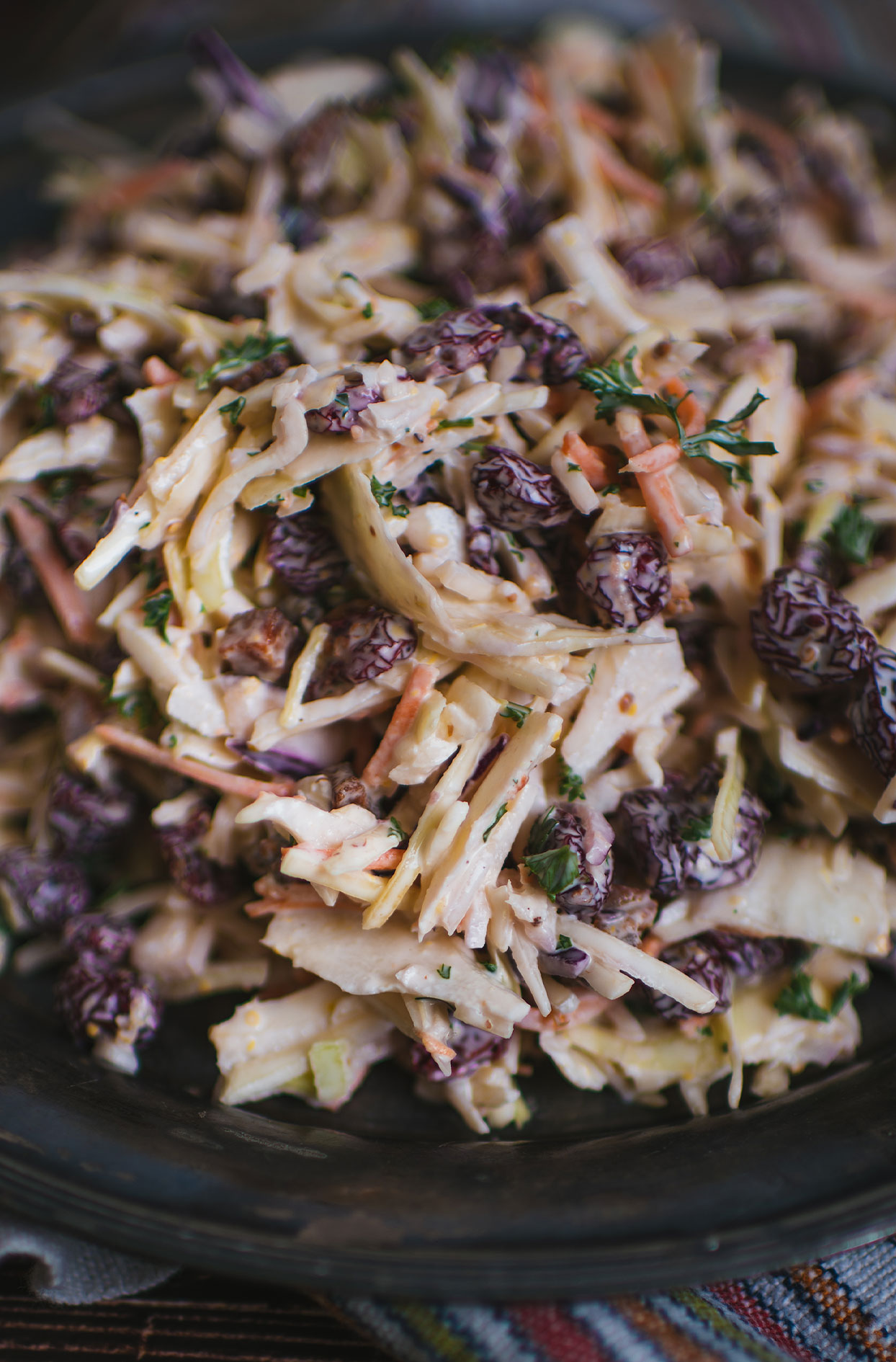
At our place it’s rice and a small salad, and nine times out of ten that’s plenty. When I feel like going further, I reach for my maple roasted sweet potatoes that echo the honey, my creamy coleslaw with pancetta for freshness, or grilled BBQ vegetables, asparagus and peppers. For a dinner that looks like work without being any, add a grilled Caesar salad.

Ads
Marinade
- 2 tablespoons (30 ml) sweet smoked paprika
- 1/2 tablespoon (7.5 ml) sea salt
- 2 tablespoons (30 ml) olive oil
- 2 tablespoons (30 ml) honey
- 2 tablespoons (30 ml) Dijon mustard
- 2 tablespoons (30 ml) old-style mustard
- 1/2 teaspoon (2.5 ml) Italian spices
- Pepper to taste
Meat
- 1.9 lb (850 g) pork tenderloin
Ads
Preparation
- In a bowl, add the paprika, salt, olive oil, honey, mustards, Italian spices then add pepper to taste. Stir well.
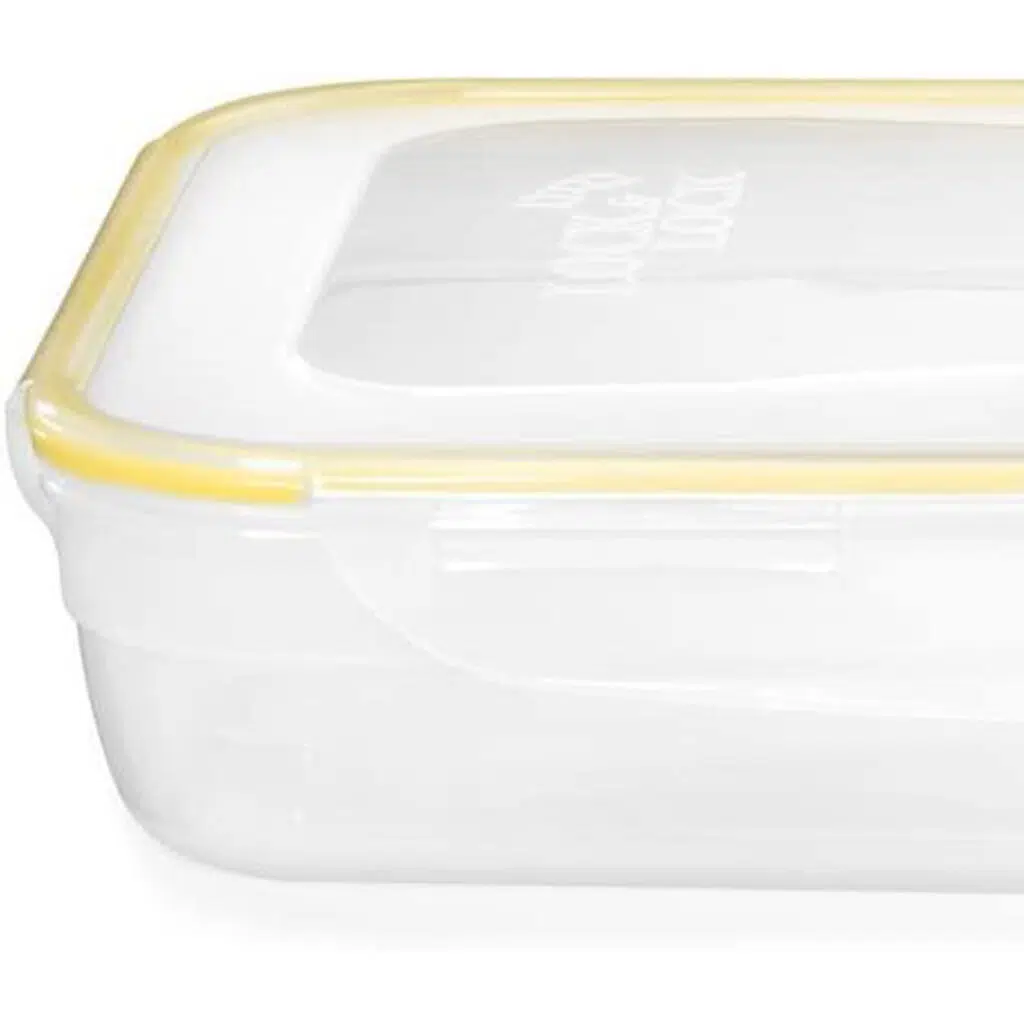
- Place the tenderloins in a big airtight container then baste with the marinade. Massage well to make the flavours penetrate well! Cover, place in the fridge and let rest for 3 hours. Remove from fridge 30 minutes before cooking.
- Preheat the oven at 400 °F (200 °C).
- In a big non-stick skillet at medium heat, add a drizzle of olive oil then sear the pork on all sides for about 5-6 minutes total.
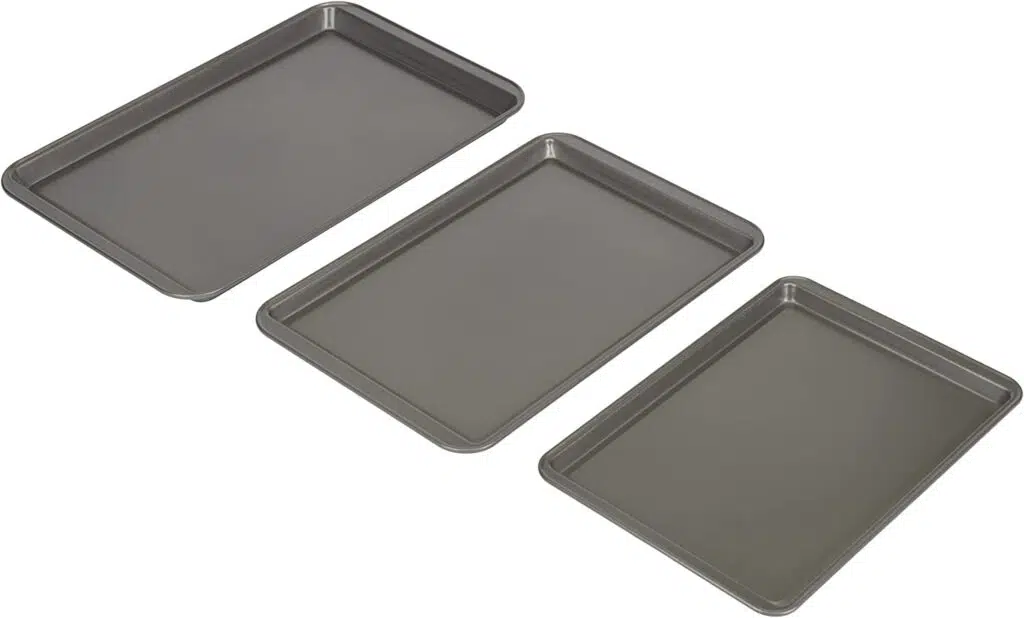
- Place on a cooking tray and cook in the oven for about 20-25 minutes or until internal temp is 135 °F (57 °C).
- Remove from oven, place tenderloins in a plate then cover tightly with aluminium foil. Let rest 5 minutes before cutting in slices of 2-3 cm thick. Serve with rice and steamed vegetables!
400°F, every time. At 350°F the tenderloin spends too long in the oven and dries out before the outside does anything interesting. At 425°F, which most recipes call for, the honey in the marinade scorches. I sear the tenderloins 5 to 6 minutes on all sides in a pan, then give them 20 to 25 minutes in a 400°F oven. But the time is not what matters, the internal temperature is. The thermometer decides, not the clock. I pull them at 135°F (57°C) and rest them 5 minutes under foil while the temperature finishes climbing. The meat and fish cooking temperature guide covers the other cuts.
No need to cover it while it bakes. Covering traps steam and you lose the caramelized crust you just built in the pan, which is the whole point of this marinade. After searing the tenderloins on all sides, this recipe sends them into a 400°F oven uncovered for 20 to 25 minutes, until the internal temperature hits 135°F (57°C). Foil comes in only afterward, loosely, while they rest for 5 minutes on the plate.
Three hours in the fridge, in an airtight container, with the marinade massaged over the whole surface. That’s long enough for the honey, the mustards and the paprika to grab on, and short enough that the salt doesn’t start working on the fibres. Three hours, no more. Overnight is not a bonus: it can change the texture of the meat. If you want to get ahead, this is where it happens, set your tenderloins in their marinade in the morning for dinner. And take them out of the fridge 30 minutes before cooking, cold meat hitting a hot pan doesn’t sear properly.
Cooked leftovers keep 3 to 4 days in the fridge, in an airtight container. To reheat them without drying them out: in the oven, not hot and not hard, or in a pan. Never over high heat. The honey marinade burns before the meat is even warm. For the freezer, I freeze it raw and marinated, right in its bag, for up to 3 months. Thaw it in the fridge, never on the counter, then cook it exactly as written. Tenderloin that was cooked first and then frozen comes back dry, I don’t recommend it.
The classic at our place is rice and a small salad, and honestly that’s plenty. To go further, try Israeli couscous, my maple roasted sweet potatoes that answer the honey in the marinade, my creamy coleslaw with pancetta for freshness, or a grilled Caesar salad. In the fall, roasted root vegetables on the same sheet pan. In the summer, grilled vegetables while the tenderloins rest.
Ads
Ads

Ads
Ads
Ads