
Meat & Fish Cooking Temperature Guide — Complete °C and °F Reference
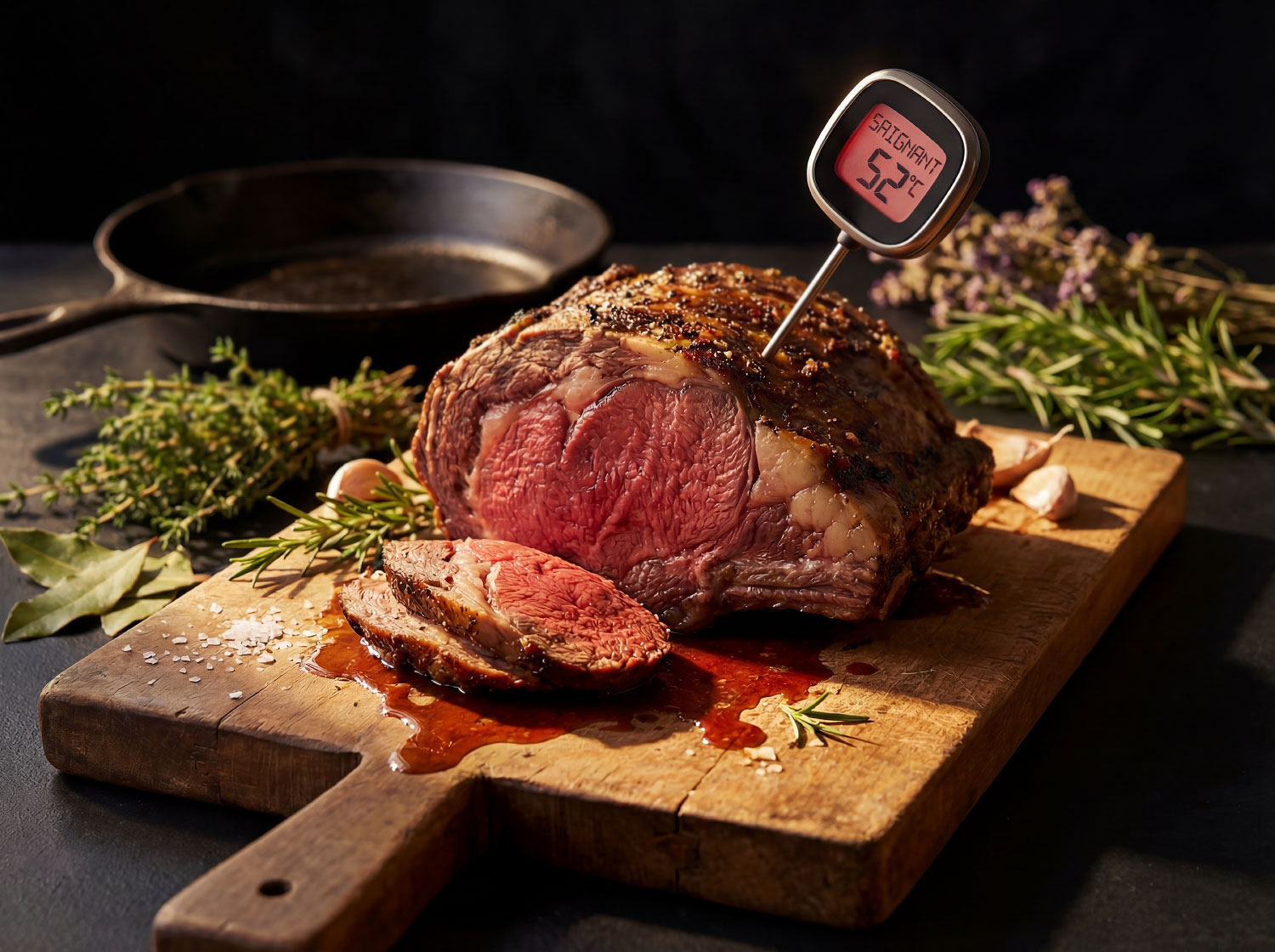
Let’s put an end to overcooked chicken, butchered steak, and rubbery salmon once and for all. This internal cooking temperature guide covers absolutely everything — beef, pork, chicken, lamb, duck, veal, fish, seafood — with temperatures in both °C and °F, because we juggle both all the time.
Bookmark it. Print it. Tattoo it on your forearm. Whatever works — the important thing is to have it within reach. Whether you’re looking for the internal temperature of chicken, the ideal temperature for a rare beef steak, or the right doneness for salmon — you’re in exactly the right place.

Ads
🌡️ Table of Contents
The Tool You Can No Longer Ignore: The Meat Thermometer
Before going any further: if you don’t have a probe thermometer yet, fix that this week. It’s the most worthwhile purchase you can make in the kitchen. It costs between $15 and $40, and it eliminates 100% of the guesswork. No thumb pressure test, no juice watching, no guessing. Just a precise temperature, in seconds.
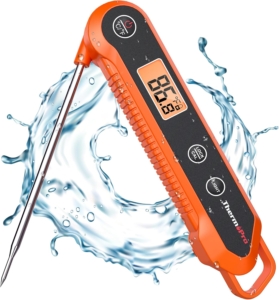
I recommend these two on Amazon.ca:
ThermoPro Waterproof Instant-Read Digital Thermometer
ThermoPro Bluetooth Meat Thermometer
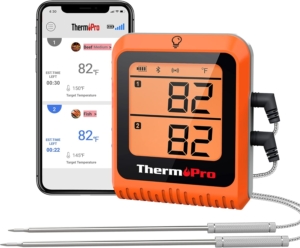
How to use it correctly: always insert the probe into the thickest part of the meat, away from bones, cartilage, and fat — these elements conduct heat differently and will throw off your reading. For a steak, insert it from the side, into the center.
The Concept of Residual Cooking
Meat continues to cook after being removed from the heat. This is called residual cooking (or carryover cooking). Depending on the thickness of the cut, the internal temperature can rise an additional 2 to 5°C during resting. For larger cuts (roasts, whole poultry), it can be up to 5–8°C. So always remove your meat from the heat a few degrees below your target — and let it rest. It’s not just a trick: it’s what separates a good cook from one who consistently overcooks their meat.
Ads
🥩 Beef & Veal
Whether you’re looking for the ideal beef cooking temperature for a perfect steak or a slow-roasted roast, internal temperature is your most reliable guide. Here are the safe temperatures for each level of doneness.
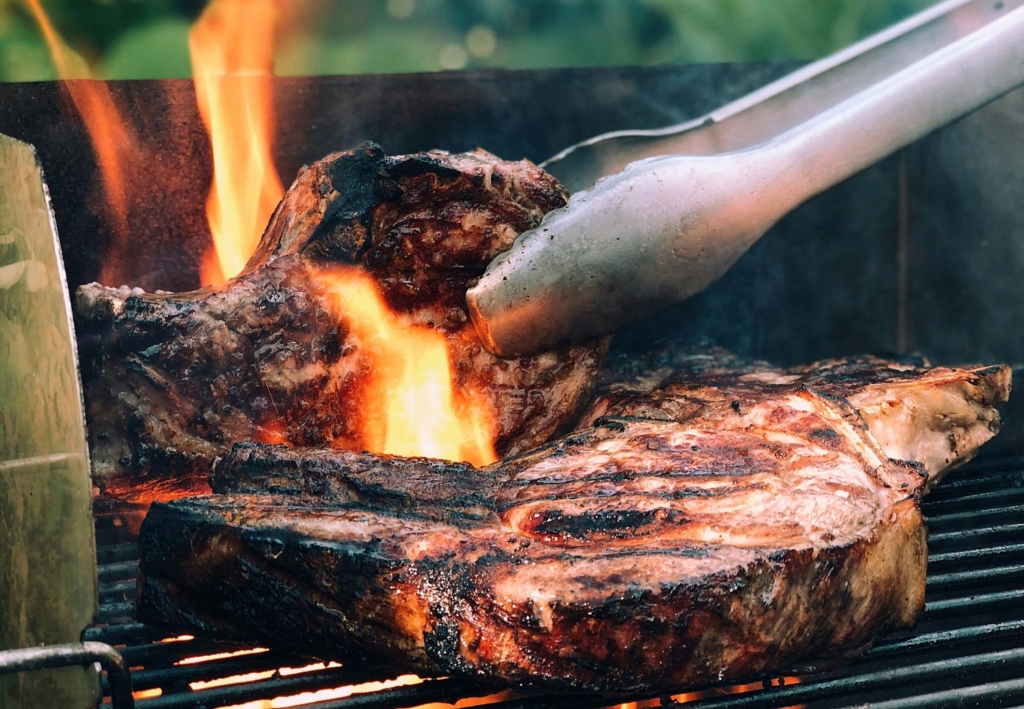
Beef is the connoisseur’s meat. From blue to well-done, every degree counts. These temperatures apply to whole cuts — steaks, roasts, and tenderloins — not ground beef (which has its own rules below).
| Cut | Rare | Medium-Rare | Medium | Well Done |
|---|---|---|---|---|
| Steak (all cuts) | 52°C / 125°F | 57°C / 135°F | 63°C / 145°F | 71°C / 160°F |
| Roast / Prime Rib | 52°C / 125°F | 57°C / 135°F | 63°C / 145°F | 71°C / 160°F |
| Ground Beef (burgers) | Not recommended | 71°C / 160°F | ||
| Veal | – | 57°C / 135°F | 63°C / 145°F | 71°C / 160°F |
Ground beef is a different story. Unlike a whole cut where bacteria stay on the surface, grinding distributes them throughout the meat. That’s why Health Canada requires a minimum of 71°C (160°F) for all ground beef — no exceptions. A pink burger is a conscious choice that carries real risk.
⚠️ Ground Beef (Burgers, Meatballs, Meat Sauce)
Filet mignon is the most tender cut but also the leanest — it dries out quickly. Aim for 57–60°C (135–140°F) for a perfect medium-rare. Above 63°C (145°F), you lose the melt-in-your-mouth quality that makes this cut legendary.
Filet Mignon Cooking Temperature
For a rib steak, aim for 52–55°C (126–131°F) for a rare and juicy result — the ideal doneness for this noble cut. Remove it from the heat at 50°C (122°F) and let it rest 5 minutes: residual cooking will bring it to the perfect temperature.
Rib Steak Cooking Temperature
⚠️ Times based on a steak approximately 2 cm (¾ in.) thick, seared in a cast iron skillet over high heat. For thicker cuts, finish in the oven at 400°F (200°C).
⚠️ Health Canada Note
Health Canada recommends a minimum internal temperature of 63°C (145°F) for whole beef cuts, followed by a 3-minute rest. For ground beef, the minimum is 71°C (160°F).
🍽️ Recipes to Try
Ads
🐖 Pork
Knowing the exact pork cooking temperature is essential for food safety and juicy, tender results. The USDA updated its recommendation in 2011 — pork no longer needs to be cooked until grey throughout.
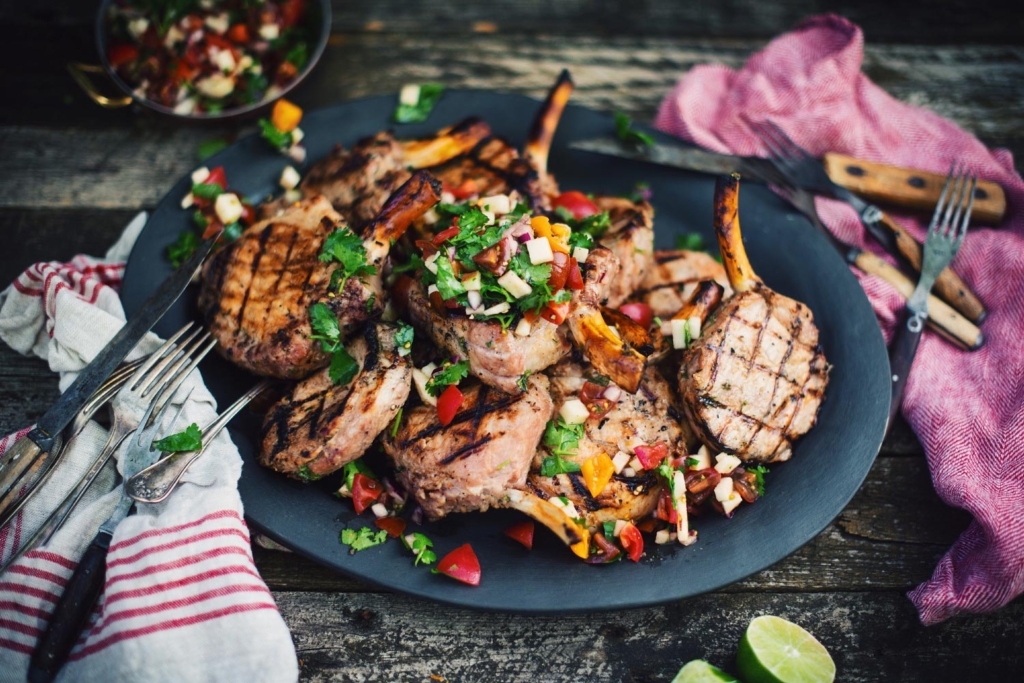
Pork has historically been overcooked due to fear of trichinosis. But modern standards now accept a slight pinkness at 63–65°C (145–149°F) for optimal juiciness. The USDA updated its guidelines in 2011 — no more mandatory grey-throughout pork.
| Cut | Minimum Safe | Ideal / Recommended | Notes |
|---|---|---|---|
| Pork Tenderloin | 63°C / 145°F | 65–68°C / 150–155°F | Slightly pink inside — safe & juicy |
| Pork Chops | 63°C / 145°F | 65–68°C / 150–155°F | Rest 3 min after cooking |
| Pork Shoulder / Pulled Pork | 63°C / 145°F | 90–95°C / 195–200°F | High temp needed for pull-apart texture |
| Ground Pork | 71°C / 160°F | 71°C / 160°F | No exceptions for ground meat |
| Ribs | 63°C / 145°F | 88–93°C / 190–200°F | High temp for fall-off-the-bone texture |
⚠️ A 2 cm (¾ in.) chop requires about 4–5 minutes per side over medium-high heat to reach the ideal 63°C (145°F). For roasts, plan 20–30 minutes per pound at 350°F (180°C).
Like all ground meats, ground pork must reach 71°C (160°F) minimum. Pregnant women, young children, and immunocompromised individuals should always cook pork to this temperature, even for whole cuts.
⚠️ Ground Pork
Pulled pork and ribs require much higher temperatures — 88–95°C (190–200°F) — for that fall-apart texture. At these temperatures, the collagen melts into gelatin, creating that irresistible tenderness.
Pulled Pork & Ribs Temperature
🍽️ Recipes to Try
Ads
🍗 Chicken & Turkey
The internal temperature of chicken is non-negotiable: 165°F (74°C) for all poultry. This is not a preference — it is the temperature that eliminates Salmonella and other harmful bacteria.
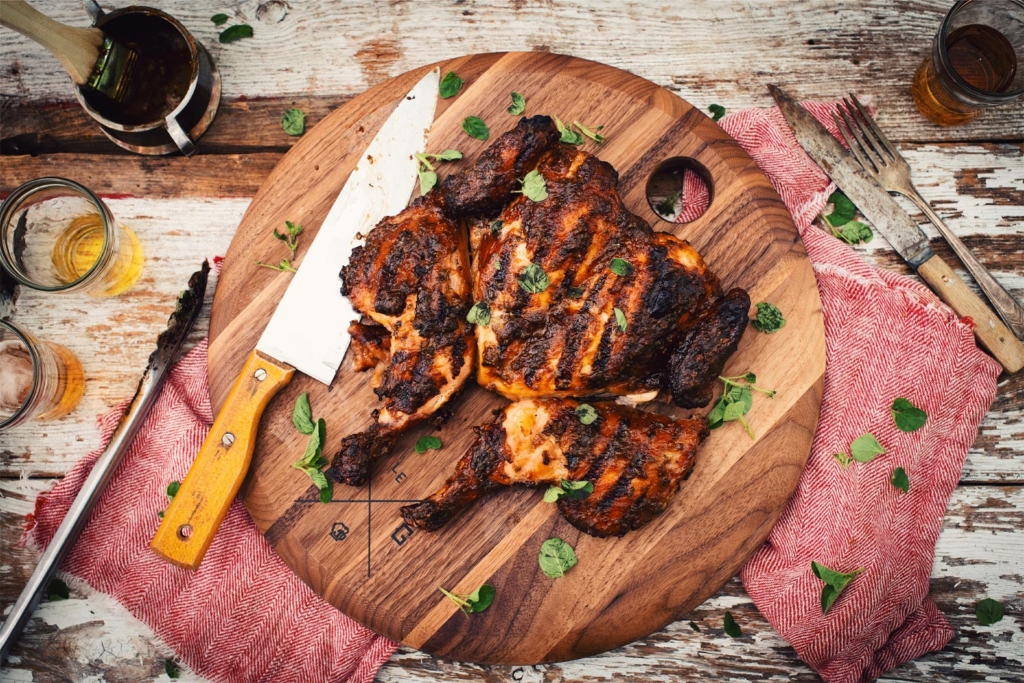
⚠️ Warning: pregnant women, young children, elderly and immunocompromised individuals — Always cook poultry to the minimum temperature recommended by Health Canada. Never consume undercooked poultry.
| Cut | Minimum Safe Temp | Notes |
|---|---|---|
| Chicken Breast | 74°C / 165°F | Check at thickest point |
| Chicken Thigh / Drumstick | 74°C / 165°F | Ideal at 80–85°C for juicier texture |
| Whole Chicken | 74°C / 165°F | Measure in thickest part of thigh, away from bone |
| Ground Chicken / Turkey | 74°C / 165°F | No exceptions for ground poultry |
| Whole Turkey | 74°C / 165°F | Check both breast and thigh separately |
| Turkey Breast | 74°C / 165°F | Can dry out above 77°C — use a thermometer |
Chicken is the most commonly cooked protein at home — and for good reason. It’s also the most dangerous meat if undercooked. Here, there are no gastronomic nuances: there is only one correct temperature.
Chicken Thigh Cooking Temperature
Chicken thighs (with or without drumstick) reach their ideal doneness at 165°F (74°C) — but many cooks prefer pushing them to 175°F (79°C) for a more tender, fall-off-the-bone texture. Unlike breast meat, thighs are more forgiving when overcooked thanks to their fat and collagen content.
Chicken Breast Cooking Temperature
Chicken breast dries out very quickly above 165°F (74°C). It’s the most sensitive cut: absolutely use a probe thermometer and remove it from heat at 160°F (71°C) — carryover cooking will do the rest.
Why 74°C? That’s the temperature at which salmonella and campylobacter are destroyed instantly. Below that, you’re playing with your health. Above that, you’re playing with your meat — it becomes dry and stringy. 74°C is the sweet spot.
Pro tip for whole chicken: always insert the thermometer into the thickest part of the thigh, without touching the bone. The breast cooks faster than the thigh — if the thigh is at 74°C, the breast is already there.
🍽️ Recipes to Try
Ads
🦆 Duck & Duck Breast
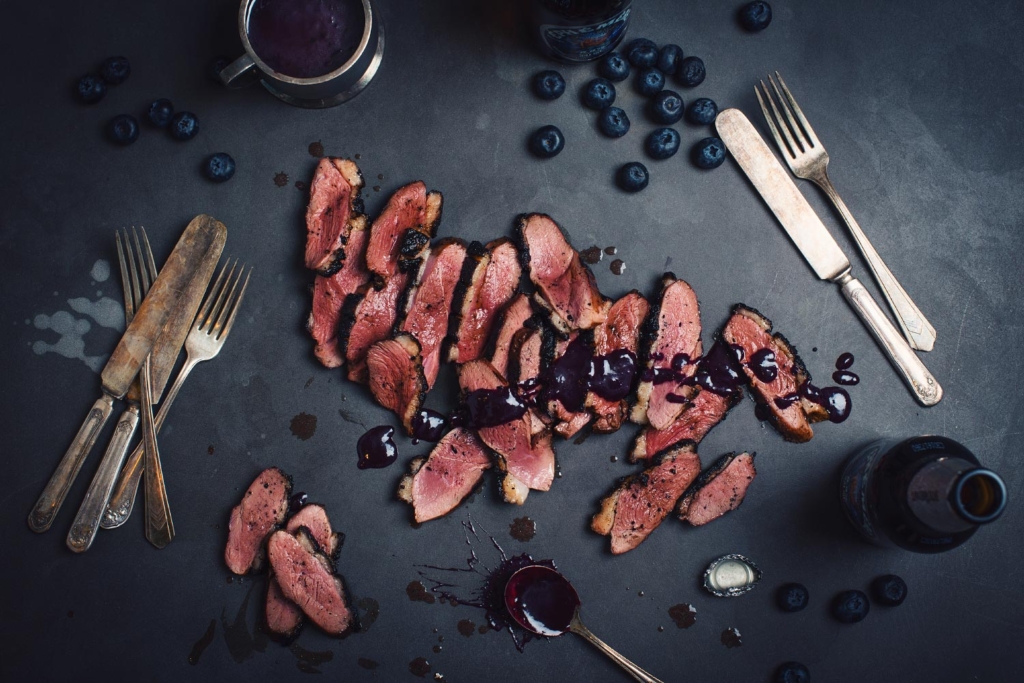
Mastering the duck cooking temperature means understanding that duck breast behaves more like beef than chicken — it can be served medium-rare. The legs and thighs, however, benefit from higher temperatures for tender, fall-off-the-bone results.
| Cut | Rare / Medium-Rare | Medium / Well Done | Notes |
|---|---|---|---|
| Duck Breast (magret) | 52–57°C / 125–135°F | 63°C / 145°F | Pink inside = desired result |
| Duck Legs / Confit | – | 82–88°C / 180–190°F | Long slow cooking for tender meat |
| Whole Duck | – | 74°C / 165°F | Health Canada minimum for whole poultry |
Duck is a meat that surprises: duck breast is cooked like a red meat (rare to medium-rare), while duck legs and confit require long, slow cooking at higher temperatures. Two completely opposite approaches for the same bird.
⚠️ Health Canada note: since duck is poultry, the official recommendation is 165°F (74°C) at the core. However, duck breast (magret) is traditionally served rare to medium-rare (54–60°C), like a beef steak. The choice is yours — but know that below 74°C, there is a theoretical risk.
The golden rule for duck breast: start skin-side down in a cold pan, slowly increase heat and let the fat render for 8–10 minutes. Then flip and finish cooking to your desired temperature. The result: crispy skin and perfectly pink meat.
🍽️ Recipes to Try
Ads
🐑 Lamb
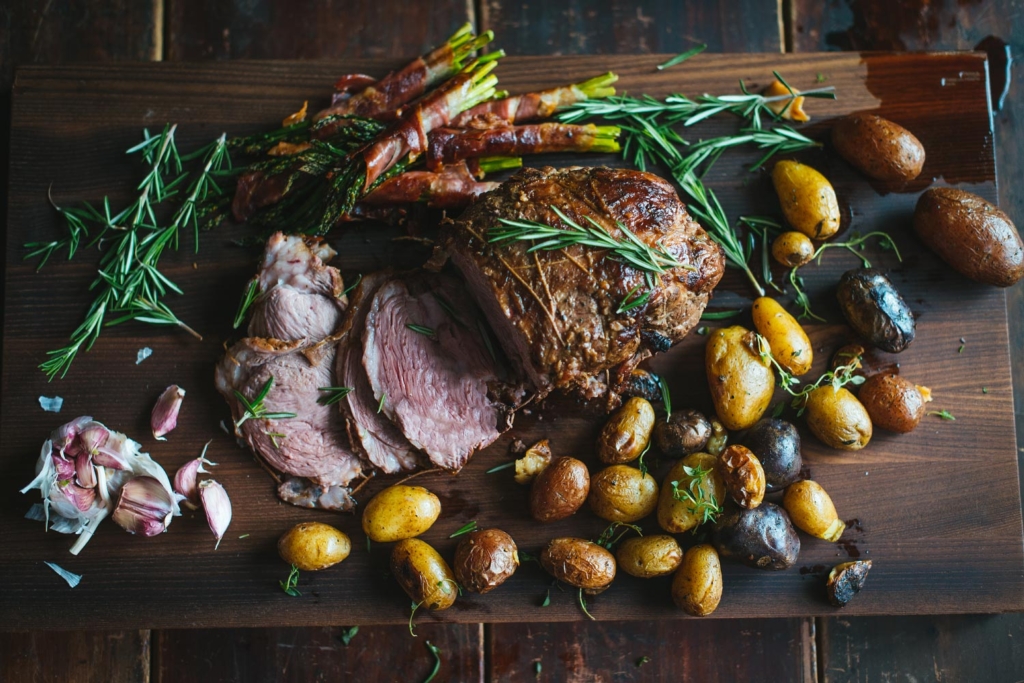
Mastering lamb cooking time means respecting the doneness level: lamb is at its best served medium-rare to medium, with a rosy pink interior and rich, juicy flavor.
| Cut | Rare | Medium-Rare | Medium | Well Done |
|---|---|---|---|---|
| Rack of Lamb / Chops | 52°C / 125°F | 57°C / 135°F | 63°C / 145°F | 71°C / 160°F |
| Leg of Lamb | 52°C / 125°F | 57°C / 135°F | 63°C / 145°F | 71°C / 160°F |
| Ground Lamb | Not recommended | 71°C / 160°F | ||
Lamb is served pink — end of story. If you want it well-done, cook something else. The pink flesh of a rack of lamb is one of life’s great pleasures.
⚠️ Health Canada note: the minimum recommended temperature for whole cuts of lamb is 145°F (63°C) for medium-rare. Rare is a personal gastronomic choice.
For leg of lamb and rack: remove them from the oven when the thermometer reads about 5°C (9°F) below your target — carryover cooking will do the rest during the 10 to 15 minute rest.
🍽️ Recipes to Try
Ads
🐟 Fish
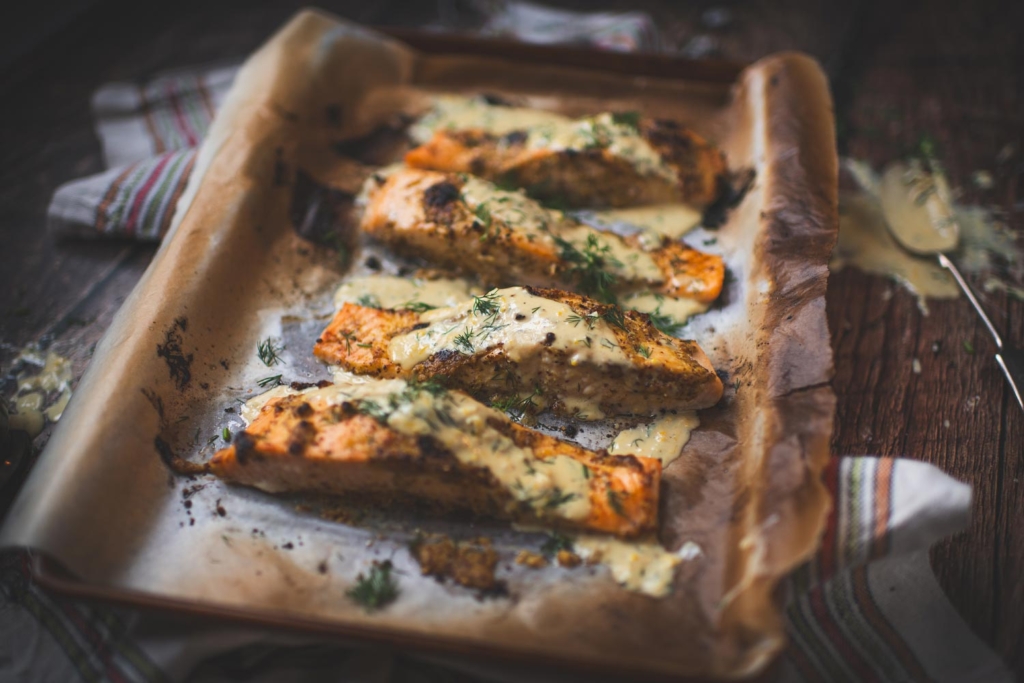
The perfect salmon cooking time depends on the desired result: medium-rare gives a silky, translucent center, while fully cooked gives a firmer, flakier texture. Use a thermometer for precision.
| Fish | Medium-Rare | Well Done (Safe) | Notes |
|---|---|---|---|
| Salmon | 52°C / 125°F | 63°C / 145°F | Flakes easily when done |
| Tuna (sushi-grade) | 46–49°C / 115–120°F | 63°C / 145°F | Sear only exterior if sushi-grade |
| White Fish (cod, haddock) | – | 63°C / 145°F | Delicate — overcooks quickly |
| Halibut | – | 63°C / 145°F | Tends to dry out — monitor closely |
Fish is the most delicate protein to cook. A few degrees too many and you go from a silky fillet to a shoe sole. The general rule: fish is done when it flakes easily with a fork and the flesh is opaque.
⚠️ Health Canada note: the minimum recommended temperature for fish is 158°F (70°C). Medium-rare salmon and rare tuna are gastronomic choices — make sure to use the freshest fish possible and consume immediately after cooking. Not recommended for pregnant women, children, and immunocompromised individuals.
🍽️ Recipes to Try
Ads
🦐 Seafood & Shellfish
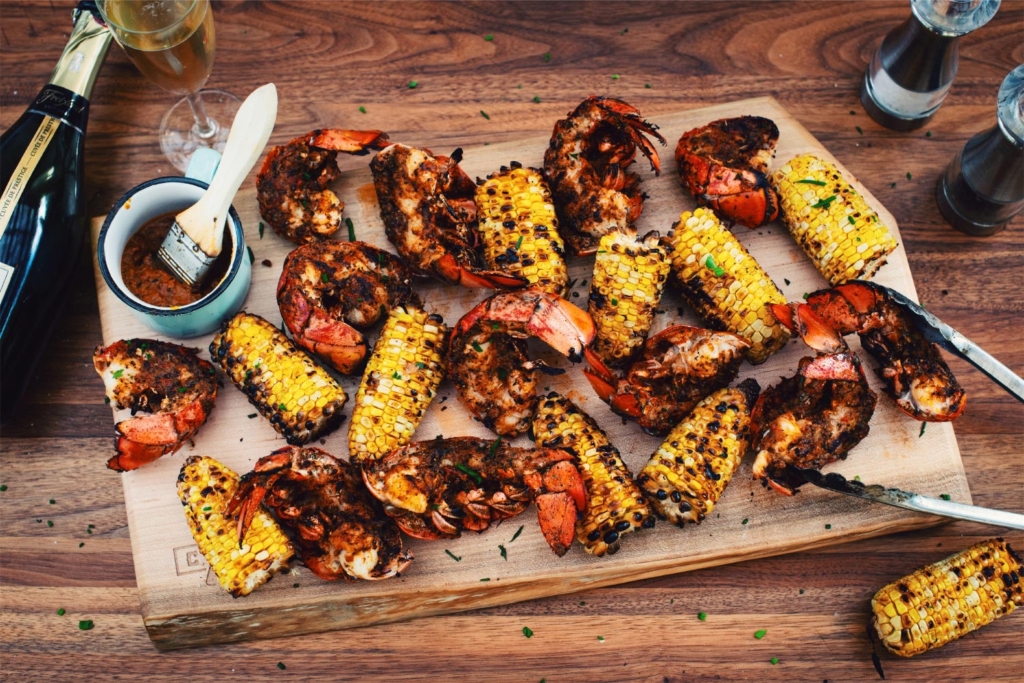
For seafood cooking, visual cues are often your best guide — but knowing the safe internal temperature helps prevent both undercooking and overcooking.
| Seafood | Safe Temperature | Visual Cue |
|---|---|---|
| Shrimp & Scallops | 63°C / 145°F | Shrimp pink & curled; scallops opaque |
| Lobster & Crab | 63°C / 145°F | Shell turns bright red, flesh opaque white |
| Mussels & Clams | Discard if shell doesn’t open | Shell opens when cooked |
| Oysters | 63°C / 145°F (if cooked) | Edges curl when done |
Seafood is a matter of minutes — even seconds. Overcooking turns everything into chewing gum.
For shrimp: as soon as they form a C shape, they’re done. As soon as they form an O, they’re overcooked. It’s that simple. Health Canada recommends 165°F (74°C) for all mollusks and crustaceans — no compromises here.
For scallops: one minute per side over high heat in a very hot pan is all it takes. Many restaurants even sear them on one side only to keep a pearly, melt-in-your-mouth center. It’s a bold gastronomic choice — and honestly, that’s when they’re at their best.
🍽️ Recipes to Try
Ads
🦌 Game Meat (Venison, Moose, Wild Boar)
For game meat, cooking temperature is critical — it is generally leaner than domestic meat and can dry out quickly. Venison steaks are excellent medium-rare; roasts and braises benefit from longer, slower cooking.
| Game | Rare / Medium-Rare | Medium | Notes |
|---|---|---|---|
| Venison (steak/rack) | 52–57°C / 125–135°F | 63°C / 145°F | Avoid well-done — very lean, dries out |
| Moose / Elk | 57°C / 135°F | 63°C / 145°F | Similar to venison |
| Wild Boar | – | 71°C / 160°F | Cook fully due to trichinella risk |
| Ground Game | – | 71°C / 160°F | Always cook ground game fully |
Game is a lean meat that dries out quickly. Treat it like quality beef — with respect and without excessive heat.
⚠️ Health Canada note: the minimum recommended temperature for all game (deer, moose, caribou, bear, bison, etc.) is 165°F (74°C). Rare or medium-rare game is a gastronomic choice — hunting and game cooking are part of our culture, eat it with full knowledge.
Ads
📋 Quick Summary Table
All safe cooking temperatures at a glance — print this and stick it on your fridge.
| Meat | Rare | Medium-Rare / Medium | Well Done | ⚠️ Health Canada Min. |
|---|---|---|---|---|
| Beef / Veal | 126–131°F (52–55°C) | 135–140°F (57–60°C) | 145–154°F (63–68°C) | 145°F (63°C) |
| Ground Beef | ❌ | ❌ | 160°F (71°C) | 160°F (71°C) |
| Pork | ❌ | 145–149°F (63–65°C) | 154–160°F (68–71°C) | 160°F (71°C) |
| Ground Pork | ❌ | ❌ | 160°F (71°C) | 160°F (71°C) |
| Lamb | 131–136°F (55–58°C) | 136–145°F (58–63°C) | 145–154°F (63–68°C) | 145°F (63°C) |
| Chicken (pieces) | ❌ | ❌ | 165°F (74°C) | 165°F (74°C) |
| Whole Chicken | ❌ | ❌ | 180°F (82°C) (thigh) | 180°F (82°C) |
| Turkey | ❌ | ❌ | 180°F (82°C) (thigh) | 180°F (82°C) |
| Duck Breast | 129–135°F (54–57°C) | 140–149°F (60–65°C) | 158°F (70°C) | 165°F (74°C) |
| Salmon | 109–115°F (43–46°C) | 116–122°F (47–50°C) | 125–135°F (52–57°C) | 158°F (70°C) |
| White Fish | — | — | 140–145°F (60–63°C) | 158°F (70°C) |
| Shrimp | — | — | 165°F (74°C) | 165°F (74°C) |
| Game (whole cuts) | 129–135°F (54–57°C) | 136–145°F (58–63°C) | 145–154°F (63–68°C) | 165°F (74°C) |
| Rabbit | ❌ | ❌ | 165°F (74°C) | 165°F (74°C) |
Ads
🚫 6 Mistakes to Avoid When Cooking Meat
- Not using a meat thermometer. Guessing by color or timing is unreliable — always use a probe thermometer.
- Skipping the resting time. After removing from heat, let meat rest 3–10 minutes so juices redistribute.
- Measuring temperature too early. Check internal temp at the thickest point, away from bone and fat.
- Cooking chicken below 74°C (165°F). Pink poultry = dangerous bacteria. No exceptions.
- Cooking ground meat the same as whole cuts. Ground meat must reach 71°C (160°F) regardless of type.
- Opening the oven or lid too often. Every opening drops the temperature and extends cooking time.
❓ FAQ — Frequently Asked Questions About Cooking Temperatures
What is the minimum safe internal temperature for chicken?
Health Canada recommends a minimum of 74°C (165°F) for all poultry — breast, thigh, ground chicken or whole bird. There are no exceptions for chicken or turkey.
Can beef be eaten medium-rare?
Yes — whole beef cuts (steaks, roasts) can safely be served at 57°C (135°F) medium-rare, as bacteria are only on the surface. However, ground beef must reach 71°C (160°F) since bacteria are mixed throughout.
What temperature for pork so it’s no longer pink?
Health Canada’s minimum for pork is 63°C (145°F) with a 3-minute rest. At this temperature, pork may still show a slight pink tint — that is safe and normal.
What is the ideal internal temperature for salmon?
For a silky, translucent center: 52°C (125°F). For fully cooked: 63°C (145°F). Health Canada recommends 63°C for food safety, especially for vulnerable individuals.
Do I really need a meat thermometer?
Yes. Color, texture, and cooking time are unreliable indicators of doneness. A probe thermometer is the only precise and safe way to verify the internal temperature of meat.
🌡️ Save This Guide — Print It, Bookmark It
This cooking temperature guide covers everything you need: beef, pork, chicken, lamb, duck, fish, seafood, and game. With a good meat thermometer and these reference temperatures, you’ll never overcook or undercook a piece of meat again.
📌 Bookmark this page or print the summary table to keep it handy in the kitchen.
Looking for recipe ideas? Browse our complete recipe collection — all with precise cooking instructions.