

Pan-seared scallops with brown butter, lemon and capers
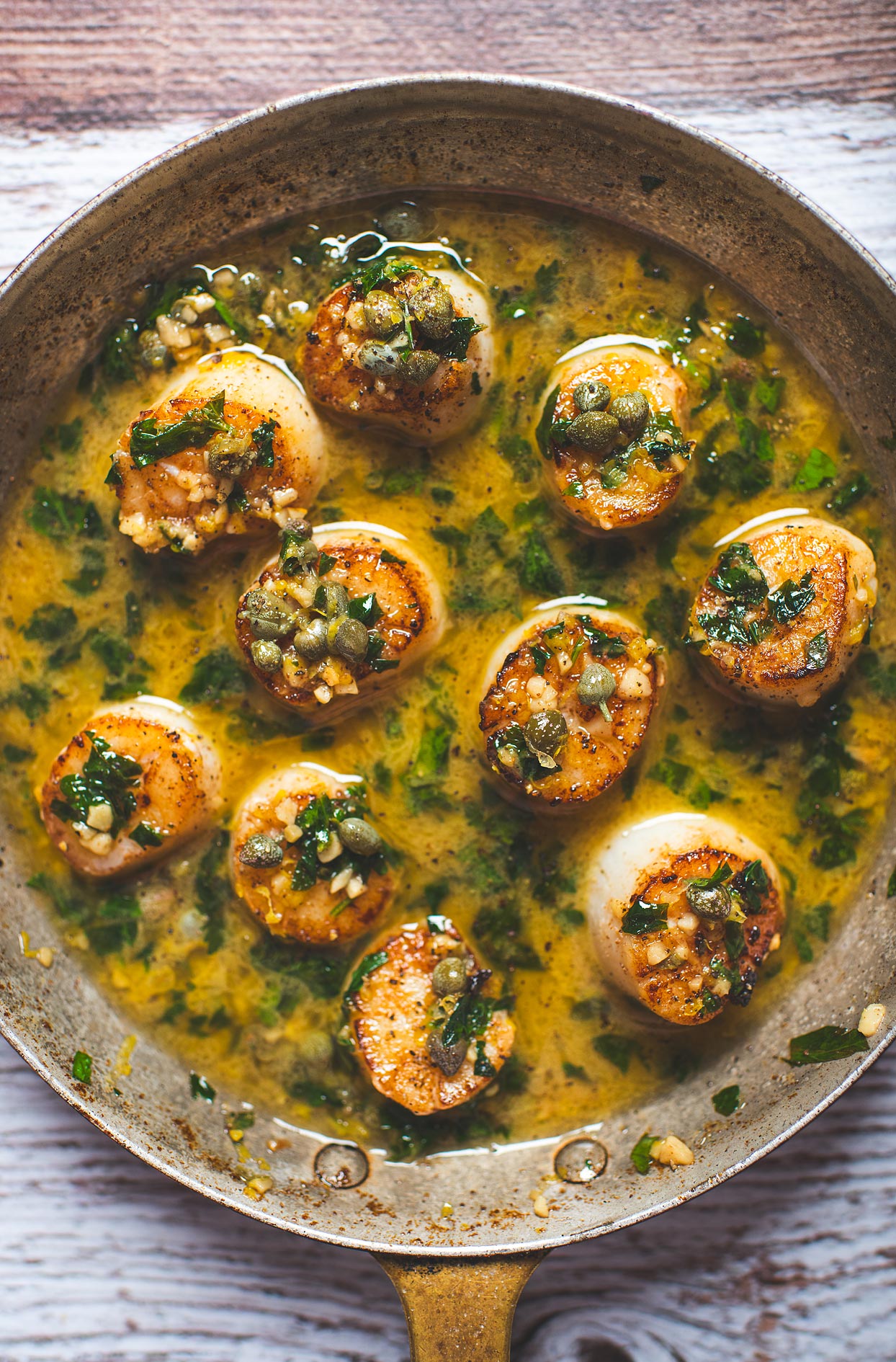
- Preparation 15 min
- Cooking 15 min
- Servings 2
- Freezing I do not suggest
Ads
🦐 The Saturday I decided to spoil myself
This one started as a selfish idea. I wanted scallops, I wanted butter, I wanted lemon and capers, and I wasn’t in the mood to share the credit with anybody. The first time I made it I stood over the pan and thought, okay, that’s stupid good. Big scallops with a real crust on them, a browned butter sauce that lands sharp and salty at the same time, and the whole thing done in half an hour. It looks like work. It isn’t.
🧈 Brown butter, honey and capers, that’s the whole trick
Melted butter is fine. Browned butter is something else. Nutty, almost caramel, and it’s the reason this sauce doesn’t taste like every other lemon sauce out there. The honey isn’t there to sweeten anything, it’s there to take the edge off the lemon so the acid stops shouting. The capers bring the salt. And fresh lemon only, juice and zest both. Bottled juice tastes flat and it will drag the entire pan down with it.
🕯️ Looks expensive, takes thirty minutes
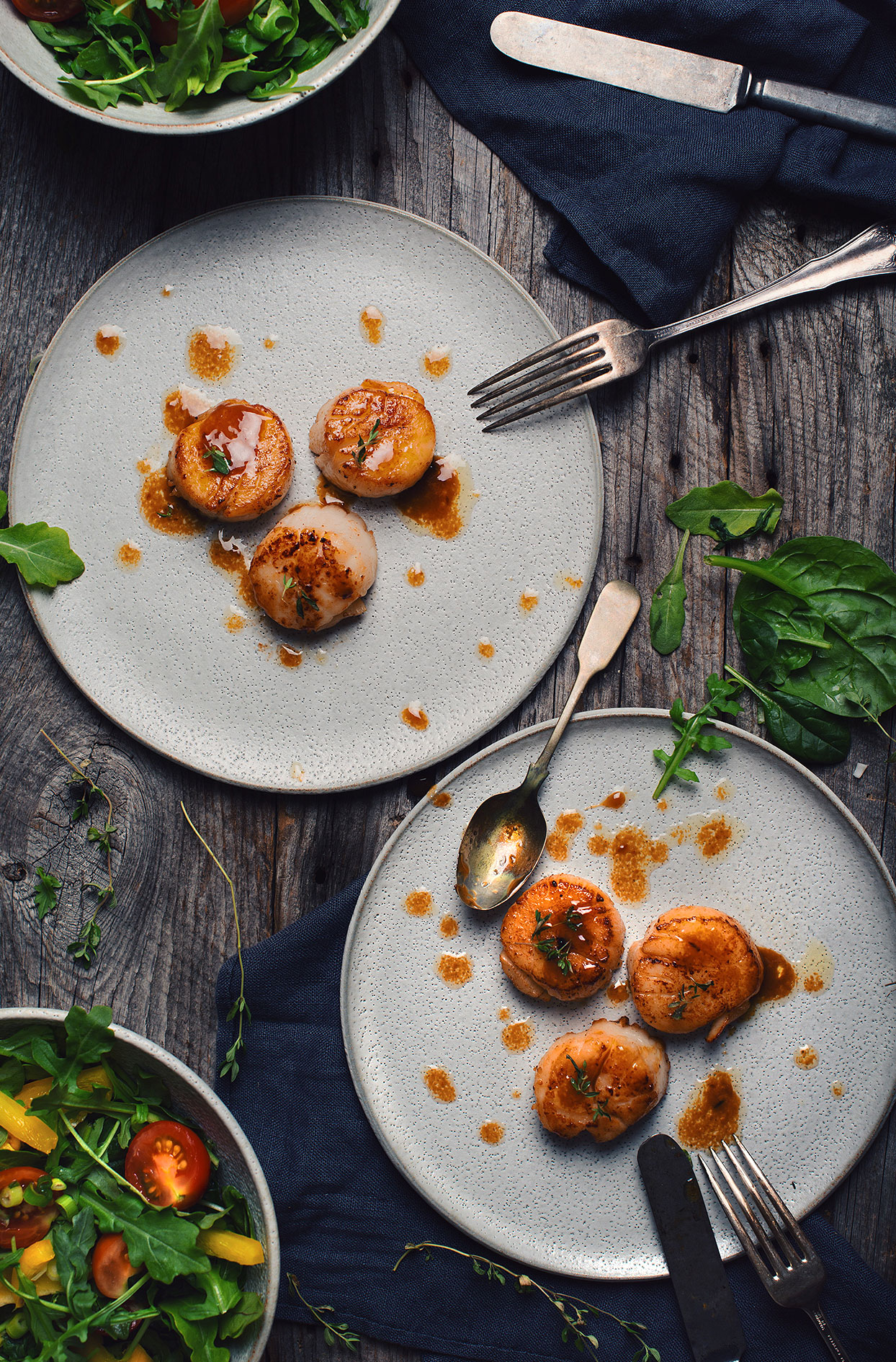
This is my move when I want to impress without sweating. An anniversary at home, a Friday that needs to feel like something, or a random Tuesday when supper needs to be more than supper. Serve it as a starter, or put it over saffron risotto, lemony pasta, a pile of arugula. Cold white wine, a candle. Nobody has to know you were only in the kitchen for half an hour.
Ads
Ads
💧 Dry scallops, then dry them again
Half the scallops sold in North America are “wet” scallops, soaked in a phosphate solution that makes them hold water and weigh more at the counter. In a hot pan that water comes right back out, the temperature crashes, and they steam instead of searing. You can spot them: bright glossy white, sitting in a tray of milky liquid. Dry scallops are untreated, ivory to slightly beige, and a bit tacky to the touch. Ask at the fish counter, it’s a fair question and they’ll tell you. Then, whichever ones you got, pat them down with paper towel and leave them uncovered on a fresh sheet in the fridge for ten minutes before they hit the pan.
🔥 The pan should be hotter than feels reasonable
Shimmering fat, a wisp of smoke. Anything less and you’re poaching. Space them out too, because six crowded scallops make steam and steam kills the crust.
⏱️ Ninety seconds, hands off
Set them down and walk away. Every time you nudge a scallop to peek underneath you break the contact that’s building the crust, and you start over. They release on their own when they’re ready. If one sticks hard, it isn’t done.
🐚 Sea scallops, not bay scallops
You want sea scallops, the big ones, U-10 or U-12 if the counter labels them that way. Bay scallops are the size of a dime and they’ll be overcooked before the pan even browns them. Save those for a chowder.
🧈 Two pans, or a very fast wipe
The sauce needs medium-high and patience, the scallops need screaming hot. Trying to do both in the same skillet means either burnt butter solids in your sauce or a lukewarm sear. I use a second pan and I don’t feel bad about the extra dish. Brown butter goes from nutty to acrid in about fifteen seconds, so pull it off the heat the moment it smells like toasted hazelnut.
🍽️ What to serve with seared scallops
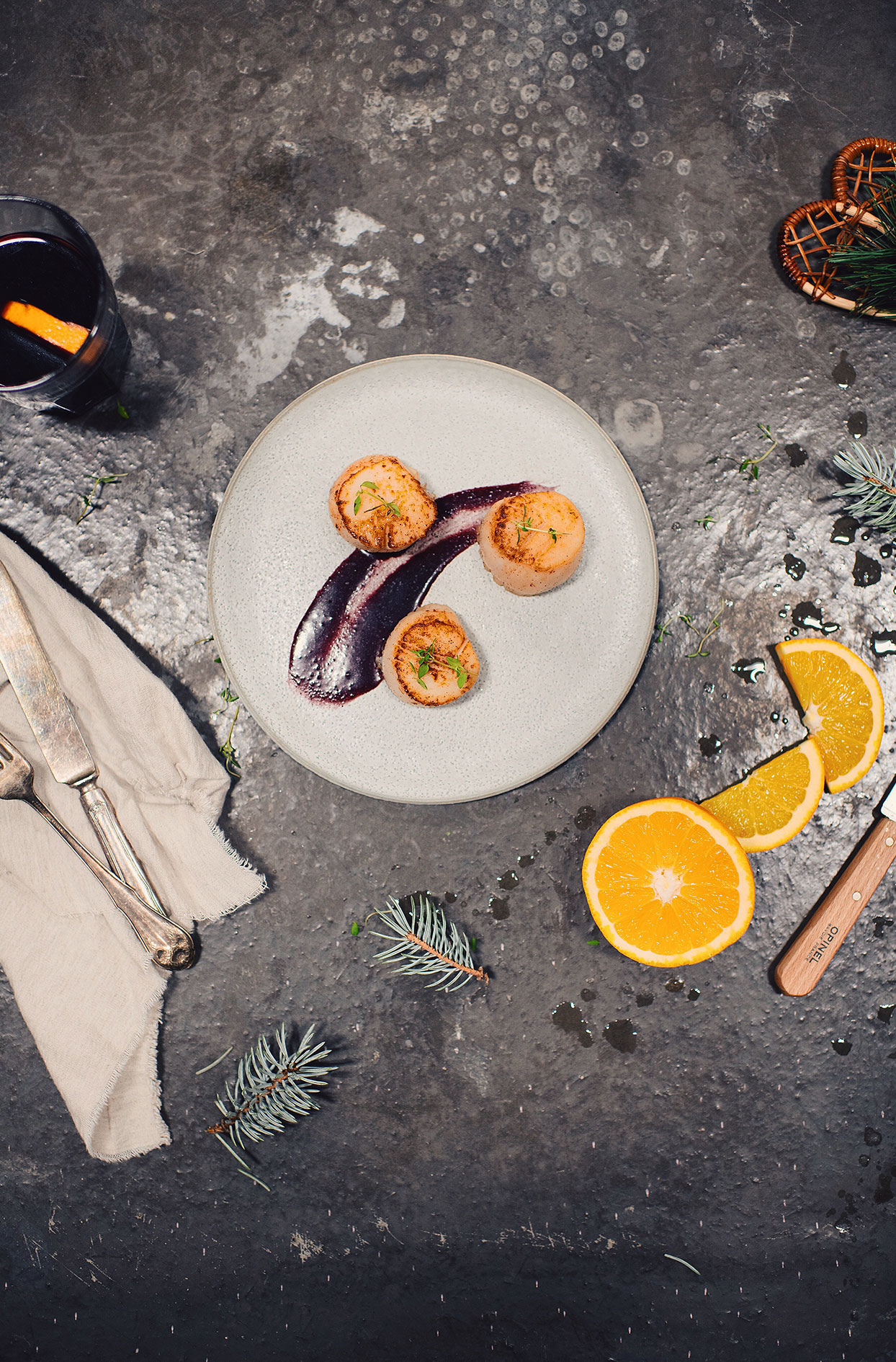
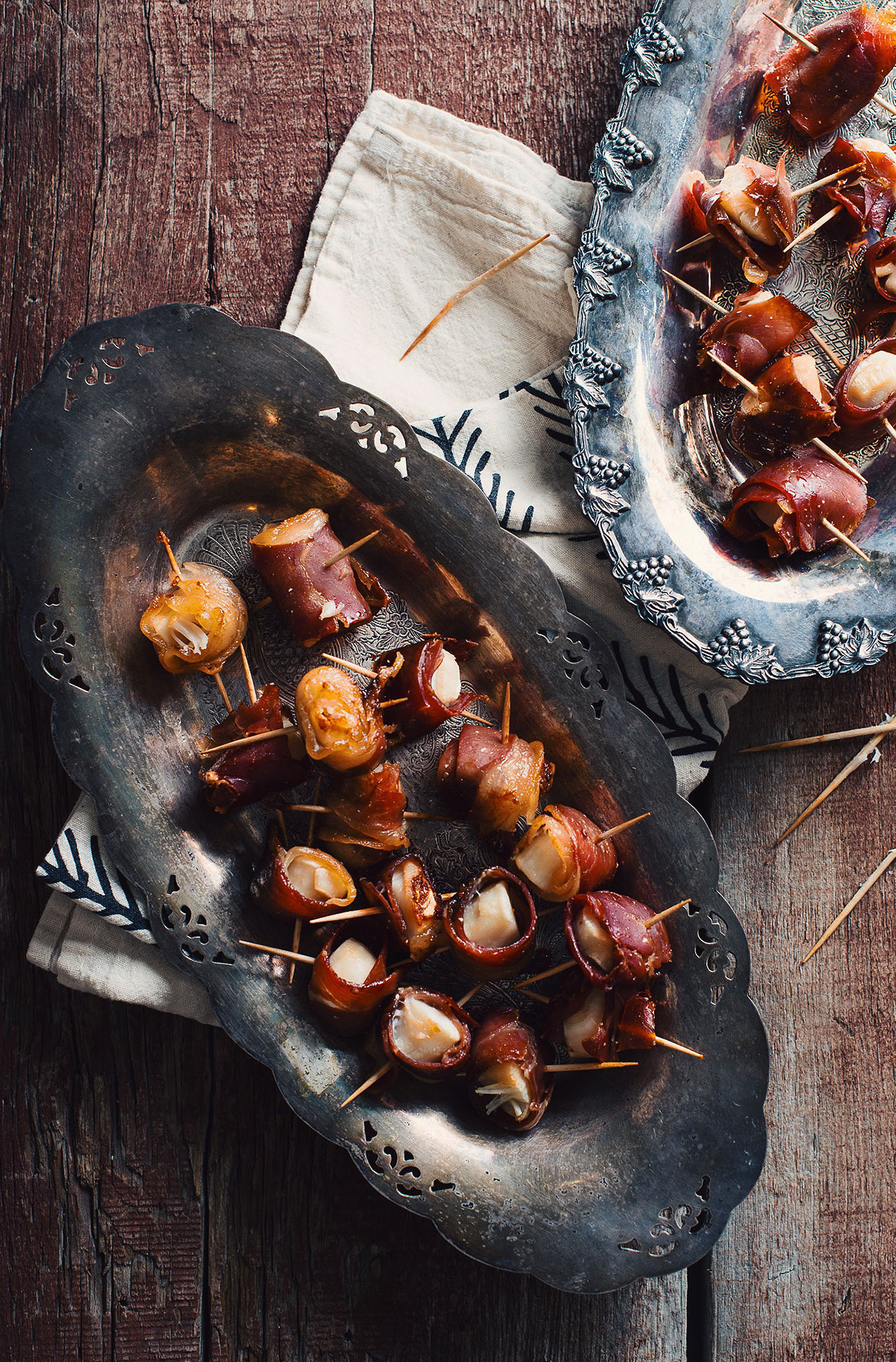
Something that soaks up the sauce, because throwing that sauce out would be a crime. Saffron or mushroom risotto is the classic play, lemony pasta works, and a sharp arugula salad keeps it light if the scallops are the starter and not the main. Asparagus in spring, no question. If you end up hooked on searing scallops, my version with red wine and orange sauce goes the other direction entirely, and the prosciutto wrapped ones are what I make when people are standing around with a drink in their hand. Same technique, same lemon butter logic, different fish: the pan-fried cod is the weeknight version of this plate.
Ads
Ingredients for the lemon-caper sauce
- 4 tbsp (60 ml) unsalted butter
- 2 garlic cloves, finely chopped
- 1/4 cup (60 ml) white wine
- 1 tsp (5 ml) honey
- 2 tbsp (30 ml) drained capers
- 2 tbsp (30 ml) fresh lemon juice
- 1 tsp (5 ml) lemon zest
- 2 tbsp (30 ml) fresh parsley, chopped
For the scallops
- 1 lb (500 g) large sea scallops, patted very dry
- 1 tbsp (15 ml) butter
- 1 tbsp (15 ml) olive oil
Ads
Preparation
- For the sauce: In a large skillet over medium-high heat, melt the butter and keep going until it turns golden brown and smells like toasted nuts. Watch it, it happens fast. Add the garlic, season with salt and pepper, and cook 1 minute just until it perfumes the butter.
- Pour in the white wine and the honey and let it reduce 2 to 3 minutes over medium heat. Add the capers and cook 2 more minutes. Off the heat, stir in the lemon juice, the zest and the parsley. Taste, adjust the seasoning, and keep it warm.
- The scallops: Peel off the little side muscle if it’s still attached. Rinse the scallops under cold water and dry them thoroughly with paper towels. This part is not optional, it’s what gives you the golden crust.
- Heat a second large skillet over high heat with the butter and the oil. Wait until the fat shimmers and is right on the edge of smoking.
- Season the scallops generously with salt and pepper, then lay them in the pan well spaced apart. Let them sit 1 minute 30 seconds without touching them so the crust can form. Flip and cook 1 minute 30 seconds on the other side.
- Plate the scallops right away and spoon the brown butter lemon caper sauce generously over top.
Three things, and none of them are optional. The scallops have to be bone dry, the pan has to be ripping hot before anything touches it, and they need room between them. Butter and oil together, wait for the fat to shimmer and almost smoke, lay the scallops down away from you, then leave them alone for a minute and a half. Listen: a loud steady sizzle means you’re searing. A short hiss that fades into silence means the pan was too cold and they’re poaching in their own liquid.
Ninety seconds a side for large sea scallops, and that’s genuinely it. They keep cooking off the heat, so pull them a hair early rather than a hair late. If you want a number to aim at, the centre should read around 125°F (52°C). Past about 130°F (54°C) the muscle tightens up and you get the bouncy, rubbery texture everybody complains about. Overcooking is the only real way to ruin a scallop.
Both, at the same time. Butter on its own burns before the crust has a chance to form, because the milk solids scorch. Oil on its own browns beautifully and tastes like nothing. A tablespoon of each gives you the smoke point of the oil and the flavour of the butter. The browned butter in the sauce is a separate job, done in its own pan, and that’s where the nutty depth actually comes from.
Wet scallops have been soaked in a phosphate solution that makes them absorb and hold water. It’s legal, it’s common, and it means you’re paying for liquid. In the pan that liquid floods out, drops the temperature, and the scallops steam. Dry scallops are sold untreated. They look ivory or faintly beige instead of bright white, they’re slightly sticky, and they aren’t sitting in a puddle. If the label says treated, or the tray is full of milky liquid, that’s what you’ve got.
Yes. Most sea scallops were frozen at sea anyway, often within hours of being harvested, and they’re frequently better than the “fresh” ones that have been sitting on ice for three days. Thaw them overnight in the fridge on a rack set over a plate. Never the microwave, never warm water. Then dry them harder than you would fresh ones, because thawing pulls extra moisture to the surface. Ten minutes uncovered on paper towel in the fridge before searing makes a visible difference in the crust.
Ads
Ads
Ads
Ads
Ads