Burrata is a pouch of mozzarella filled with cream and strands of cheese. A little milk, a little salt, a lot of fat. Almost no taste, and that's what makes it hard.
A beer with a lot of character buries it, and all that's left is the beer. Witbier is our base beer: light but not empty, its wheat follows the creaminess and its orange zest brings the liveliness that's missing, the same job as the olive oil and flaky salt. Saison comes second. For wine, a Vermentino from Italy, with a rosé behind it.
Plain with olive oil and salt, with fresh tomatoes, with prosciutto or cured meats: the topping adds salt or acidity to the fat. The page has a beer and wine pairing for each, and our recipes below.
This witbier, with notes of wheat, coriander and orange zest, is light without being empty. Its wheat follows the creaminess of the cheese, and its orange brings what burrata is a little short on: liveliness. It plays the part of the olive oil and flaky salt you put on top. Great for a starter you scoop up with a spoon!
The saison is drier and more peppery than the witbier, which is round with wheat and orange. Go for it if the burrata comes with tomatoes or olive oil, or if you like a beer with more bite.
This vermentino from Italy, with notes of lemon and almond, has a slightly salty undertone that gives it definition. Burrata tastes like almost nothing beyond milk and salt, so the wine's lemony freshness plays the part of the olive oil and flaky salt you put on top. Serve it very cold, with good bread!
An Aperol spritz is prosecco and Aperol, a bitter orange, light and fizzy. Plain burrata with olive oil and salt is creamy, almost neutral and barely salty: this light glass wakes up the cheese without covering it, and the bitterness of the orange contrasts with the milk. For aperitif hour.
This pilsner, with notes of dry bread and herbal hops, is light and crisp. With fresh tomato, the dish already has its acidity: the beer cleans up the cream, and its green hops meet the basil. The tomato keeps its tomato taste. Great for an August dinner, when the tomatoes are finally good!
The saison is dry and peppery, with a yeast that follows the ripe tomato and basil. Go for it if the creaminess of the burrata takes up a lot of room, or if the pilsner feels too quiet for a starter.
This vermentino from Sardinia, with notes of lemon, almond and herbs and a little salty touch at the end, answers the acidity of the tomato with its own. Its saltiness lifts the cream without running from it. The dish is already light, and the wine doesn't weigh it down. Serve it very cold, with lots of bread for the juices!
Sauvignon blanc offers notes of cut grass and grapefruit, with a nice freshness. Go for it if the tomatoes are quite tart or the basil is generous: its green side joins the herbs.
An Aperol spritz, prosecco and Aperol, bitter orange, light and bubbly, goes with burrata with fresh tomatoes. The acidity of the tomato makes the burrata lively, and the glass stays as light as the cheese.
Our recipe → · Alcohol-free version: Sparkling water, pink grapefruit and orange juice, orange sliceThe grapefruit brings the Aperol's light bitterness, the orange brings the sweetness, and the bubbles make the spritz.
This saison, with notes of pepper, citrus and straw, is dry with a lively fizz. The prosciutto adds salt to the fat of the burrata: the fizz cleans up the cream, and the pepper in the yeast follows the salt of the cured meat. Every bite stays light, with no cream sticking to your palate. Great for a board that disappears fast!
A blonde ale is soft and a little malty, without the pepper of the saison. It lets the prosciutto and the creaminess speak. Go for it if the saltiness is strong, or if your guests find the saison too dry.
This sparkling wine from the Veneto, prosecco style, with notes of pear, green apple and white flowers, has a light freshness. Salty prosciutto calls for freshness, and the fat of the burrata calls for bubbles that clean up. Neither one gets heavy. Great for happy hour that starts off right!
A dry rosé offers notes of strawberry and citrus, with freshness. Go for it if you'd rather have a still wine, without bubbles: it follows the prosciutto and the cream without weighing anything down.
An Aperol spritz, prosecco and Aperol, bitter orange, light and bubbly, goes with burrata with prosciutto or cured meats. Its bubbles and orange bitterness cut the salt, the added fat and the savoury depth.
Our recipe → · Alcohol-free version: Sparkling water, pink grapefruit and orange juice, orange sliceThe grapefruit brings the Aperol's light bitterness, the orange brings the sweetness, and the bubbles make the spritz.
The pesto brings basil, garlic and nuts, with a green richness that blends into the creamy burrata. Pilsner has a grassy hop, a bread malt and a clean bitterness. Its grassy side joins the basil, and its bitterness and fizz cut the richness of the oil and the cream. The garlic comes through without the mouth feeling heavy.
Saison has more pepper and citrus than pilsner, with a very dry finish. Take it if you like the beer to add a spicy touch to the basil, or if the pesto is loaded with garlic.
Ligurian Vermentino smells of lemon, fresh herbs and almond, with a small salty edge. It's dry and lively. Pesto was born in that region, and the wine has the same herbal scent: it follows the basil. Its acidity cuts the cream of the burrata, and it doesn't hide the garlic, which matters with a pesto.
Loire Valley Sauvignon blanc smells of lemon, grapefruit and cut grass, with a bright acidity. Take it if you want an even more herbal wine: its green scent melts into the basil and it cuts the cream well.
A Hugo spritz, prosecco with elderflower, mint and lime, floral and light, goes with burrata with basil pesto. The mint answers the herbs, and the bubbles lighten the garlic, the nuts and the green richness.
Alcohol-free version: Sparkling water, elderflower syrup, mint and limeA Hugo is elderflower, mint and bubbles: the sparkling wine is only passing through.
The figs are sweet, the honey is gentle, and the burrata stays creamy. Saison is dry, with pepper, citrus and a fine fizz. Its dryness keeps the whole from getting heavy, and its pepper brings out the fruit. The citrus from the yeast adds a touch of freshness next to the honey.
Blonde ale is softer and rounder, with a honey and bread malt, and little bitterness. Take it if you want a beer that goes along with the sweetness without contradicting it, or if the saison seems too peppery.
Veneto sparkling wine smells of pear, apple and white flower, light and supple, with a little sweetness. Against figs with honey on cream, it cleans the mouth and its fruit joins that of the figs. The sweetness of the wine follows the honey without going past it, and the fizz keeps the cream from clinging.
Loire Valley Chenin blanc smells of baked apple, quince and honey, with a bright acidity. Take it if you want a slightly round still wine: its honey flavour goes with that of the dish, and its acidity keeps the fruit fresh.
A Hugo spritz, prosecco with elderflower, mint and lime, floral and light, goes with burrata with figs or fruit and honey. The floral note meets the fruit, and the glass doesn't weigh anything beside a sweet creaminess.
Alcohol-free version: Sparkling water, elderflower syrup, mint and limeA Hugo is elderflower, mint and bubbles: the sparkling wine is only passing through.
The roasted vegetables are sweet and a little caramelized, and the balsamic adds a hint of sweet acidity. Saison is dry and peppery, with citrus and a fine fizz. Its pepper answers the grilled vegetables, and its acidity picks up that of the balsamic. The cream of the burrata gets cleaned and the flavour of the vegetables stays sharp.
Amber ale has a caramel and toasted bread malt, rounder than saison. Take it if you've roasted the vegetables until they're well browned: its toastiness joins theirs, and its caramel goes with the balsamic.
Provence rosé smells of strawberry, melon and herbs, dry and fresh, with a light body. Against roasted vegetables and a mellow balsamic, its red fruit blends with the sweetness of the vegetables, and its acidity answers that of the vinegar. It's light enough for the cream of the burrata and it doesn't harden the balsamic.
Beaujolais Gamay smells of cherry and strawberry, light, very fresh and almost without tannin. Take it if you want a red: its red fruit goes with the roasted vegetables, and it's light enough to leave the burrata in the foreground.
An Aperol spritz, prosecco and Aperol, bitter orange, light and bubbly, goes with burrata with roasted vegetables and balsamic. Its orange bitterness follows the roasted vegetables, and the bubbles lighten the mild and the tangy.
Our recipe → · Alcohol-free version: Sparkling water, pink grapefruit and orange juice, orange sliceThe grapefruit brings the Aperol's light bitterness, the orange brings the sweetness, and the bubbles make the spritz.
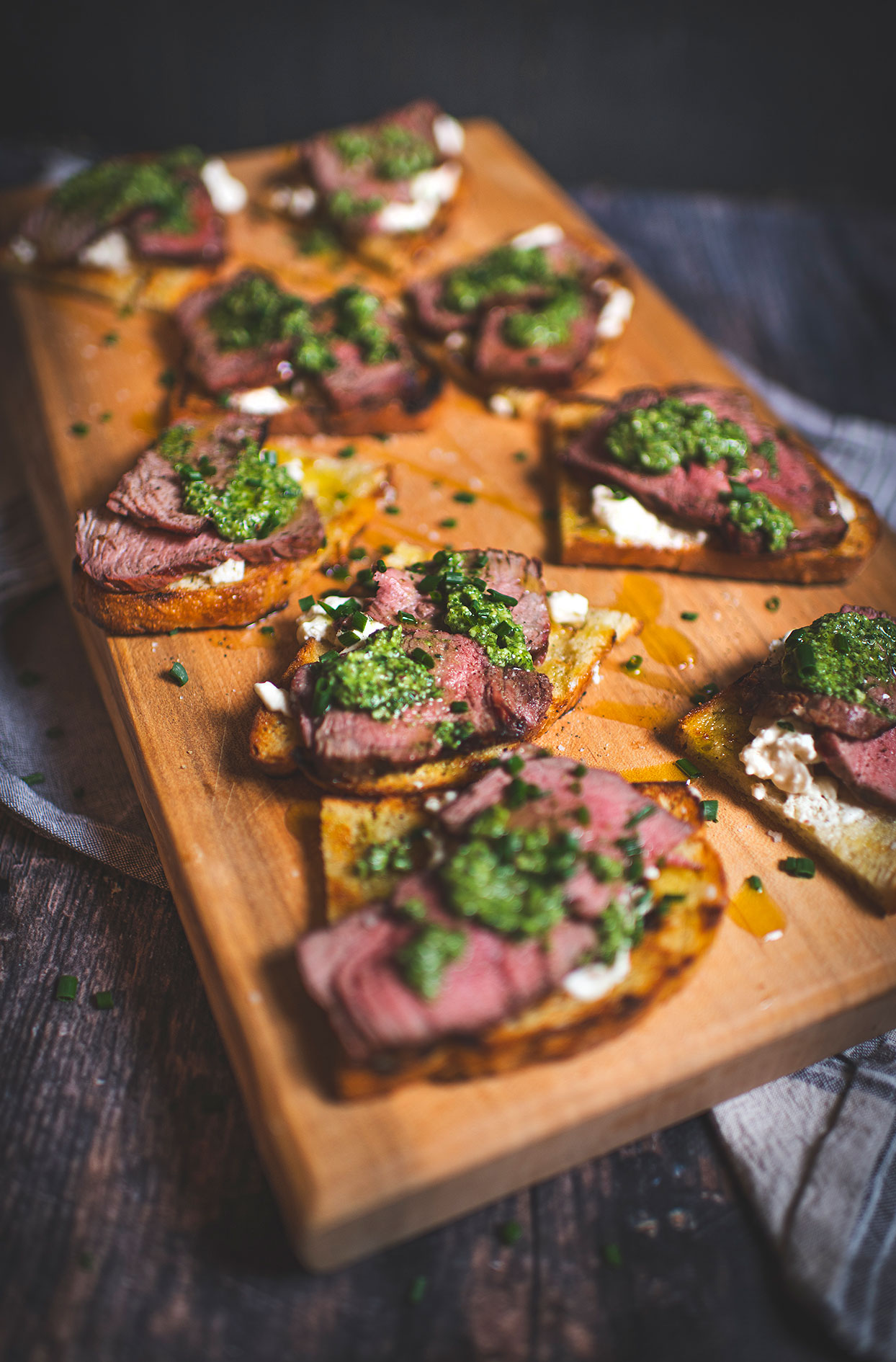
The toasted bread, the creamy burrata and the seared tenderloin each pull their own way. Barley wine brings them together: its caramel sticks to the char on the meat, its candied orange zest lightens the burrata and meets the mint in the pesto. A glass to share around a platter, not a pint each.
This 100% Albana, fermented in amphora on the skins (orange wine) and produced biodynamically, is a real treat. With herbal, deeply savoury and slightly oxidative notes, a nice mineral finish and medium-firm tannins, it's a great find for this dish.
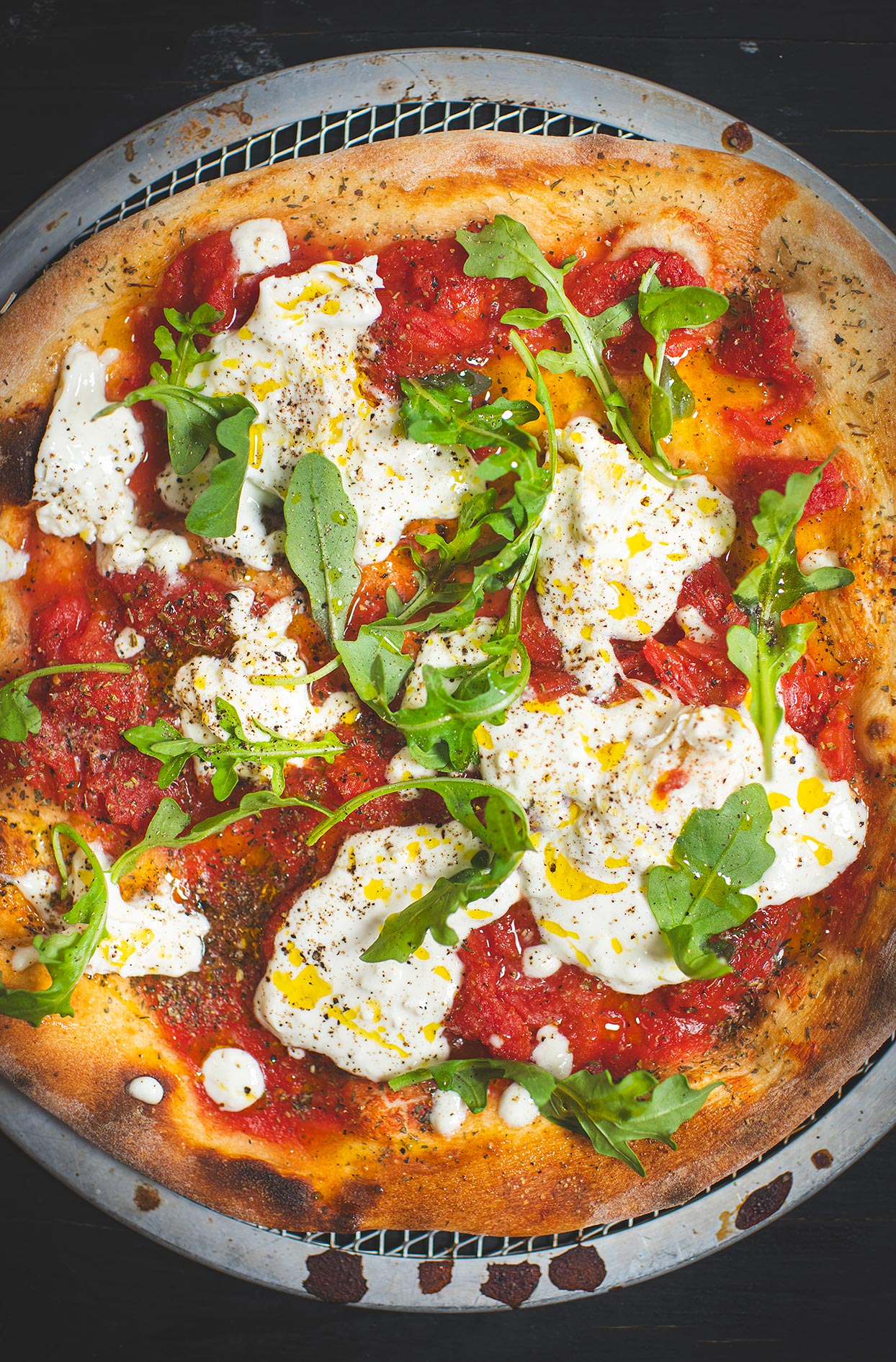
Burrata is soft and rich, arugula bites, tomato is tart. A witbier with coriander and orange peel holds all three with its lightness and citrus. It's the kind of beer that brightens a simple pizza instead of covering it.
This dry, lively Italian Verdicchio, with aromas of green apple, pear and almond, is a great fit for the tomato, burrata and arugula pizza. Its freshness cuts through the creamy richness of the burrata, while its minerality and slightly bitter finish bring out the acidity of the tomatoes and the peppery notes of the arugula. A simple, elegant pairing that's 100% summer.
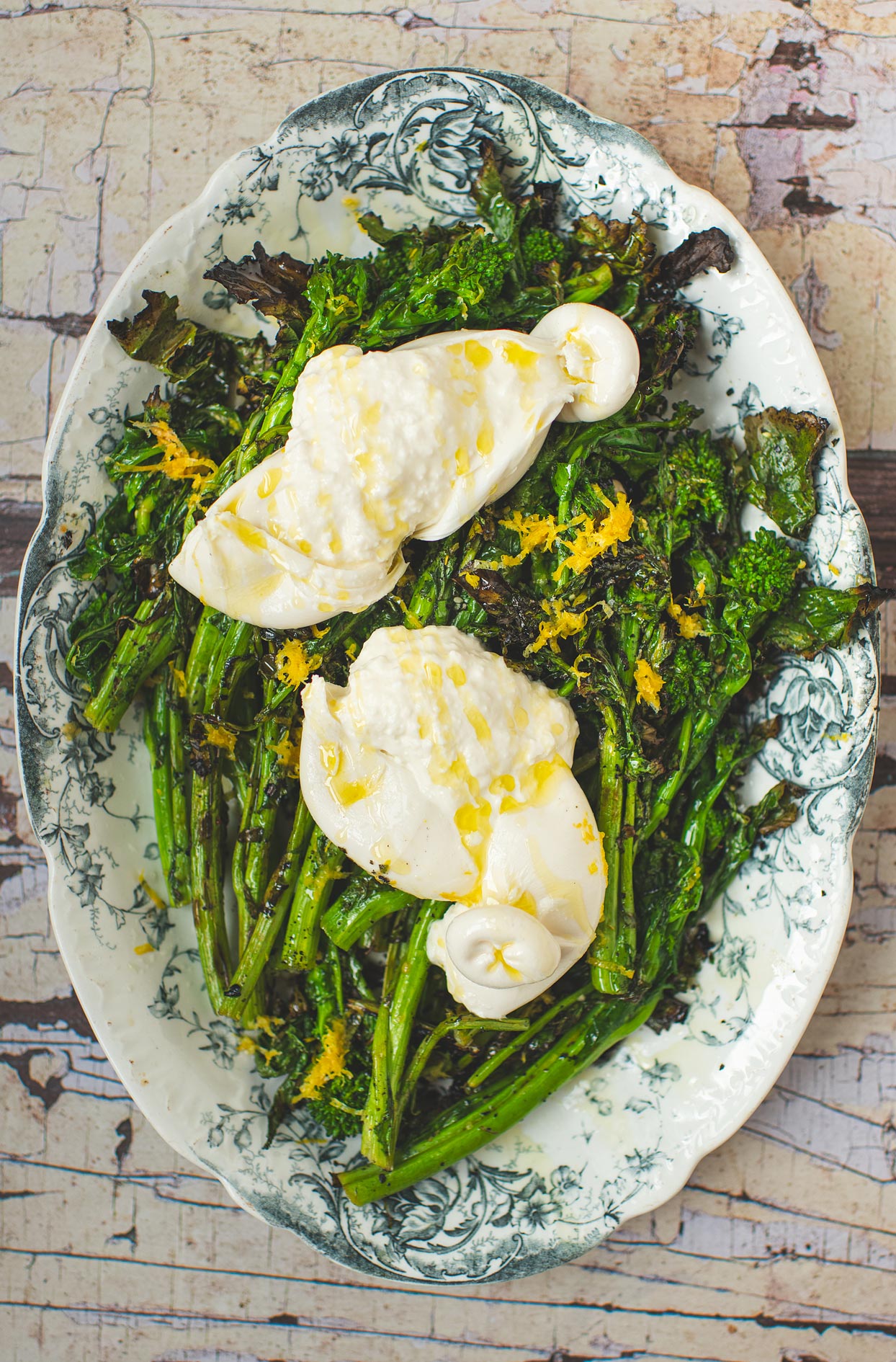
This white beer with citrus and coriander notes matches the freshness of the lemon and the softness of the burrata. Its lively bubbles clean your palate between bites and lighten the creamy side of the cheese, which makes it a refreshing partner for this grilled rapini with burrata.
This lively, dry Italian white, all citrus and white flowers, makes a great duo with my barbecue grilled rapini and burrata. Its freshness cuts through the creaminess of the cheese and its acidity answers the lemon, while its lightness leaves all the room for the grilled bitterness of the rapini. The ideal companion for a summer starter or side dish.
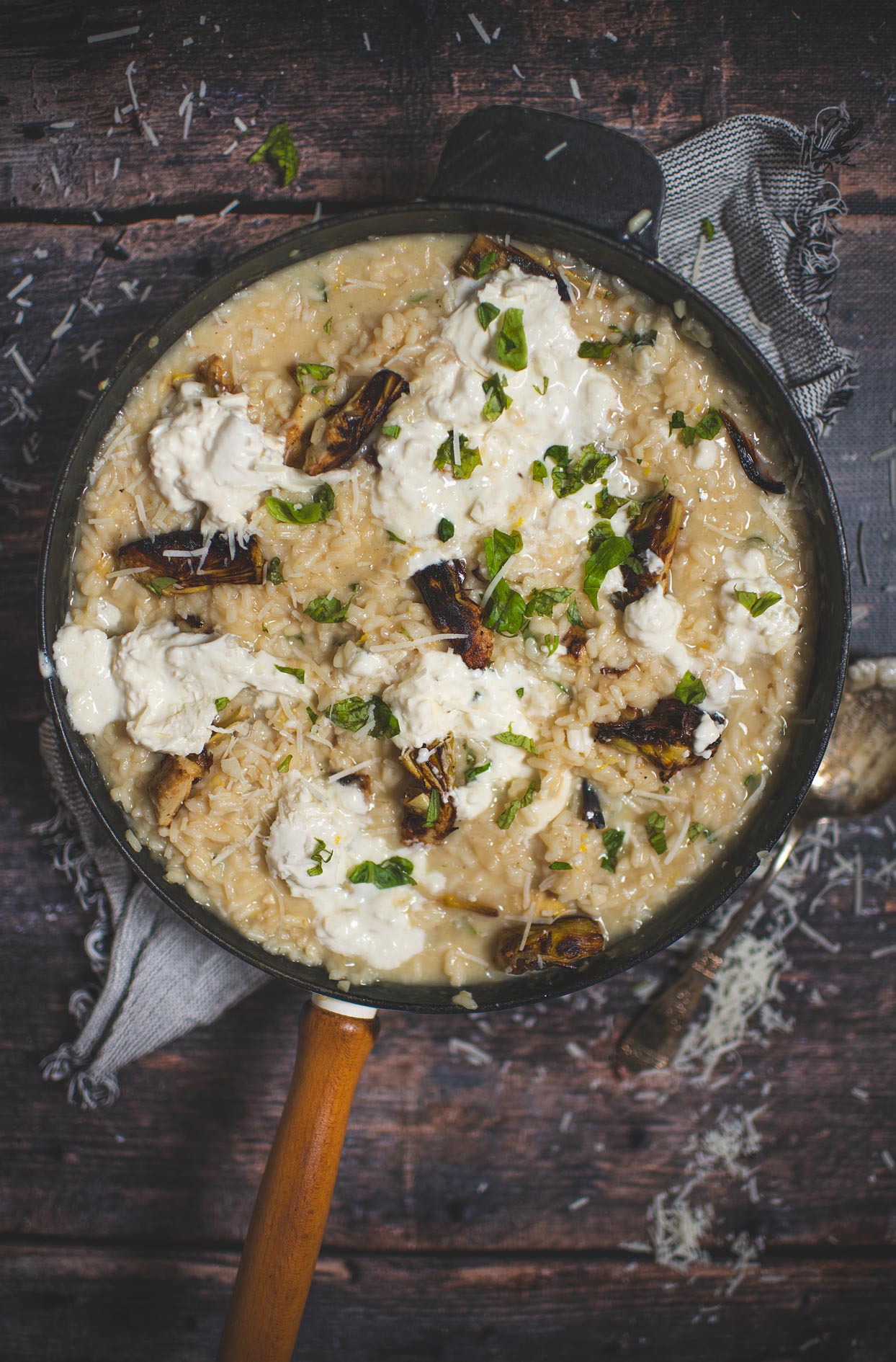
With its coriander and orange peel aromas, this witbier freshens up every bite of the artichoke and burrata risotto. Its lightness and citrus notes suit the creamy sweetness of the burrata and the melting parmesan. Like bright northern snow, it lights up the rich flavours of the dish with a real touch of the north.
With this artichoke and burrata risotto, this garganega is a natural choice. The Garganega grape offers nice minerality and notes of almond and citrus, with a lively acidity that cuts through the creaminess of the burrata and the butter in the risotto. The slightly herbal notes of the wine complement the vegetal touch of the artichoke hearts. A classic Italian pairing, direct and effective.
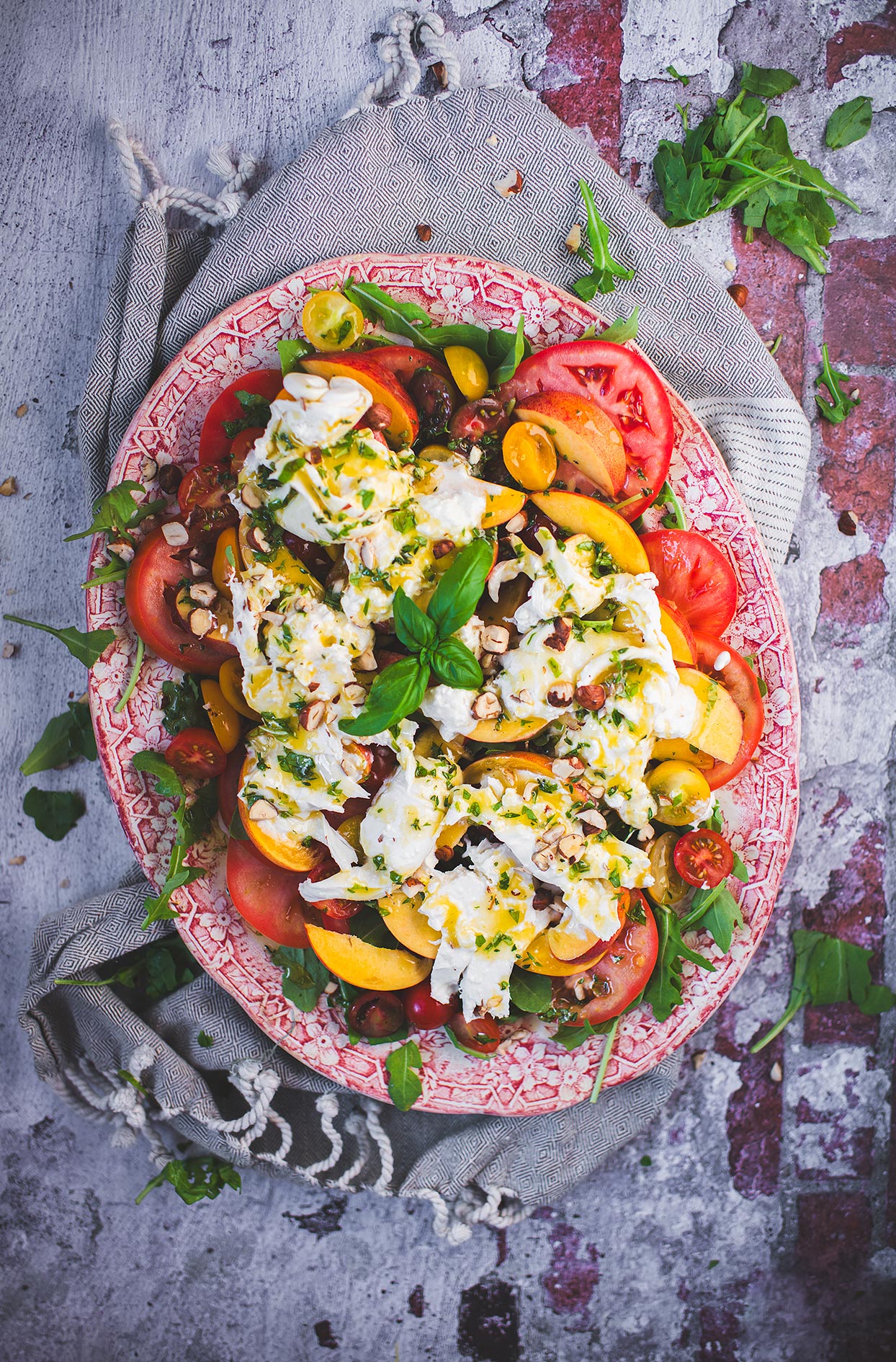
Peaches, tomatoes and burrata are soft, juicy and rich in the same bite. A saison with white pepper and citrus keeps it all lively: its herbs and gentle spices follow the basil and thyme in the honey dressing, and its fizz lightens the burrata. There are even alcohol-free versions, and they hold up.
The Pascal Jolivet Sancerre 2023, with its crystalline freshness and notes of lemon, green apple and white flowers, is a top-notch choice for this burrata, peach and tomato salad with honey dressing. Its lively acidity cuts right through the richness of the burrata and softens the sweetness of the honey and fruit.