

Homemade fruit ketchup
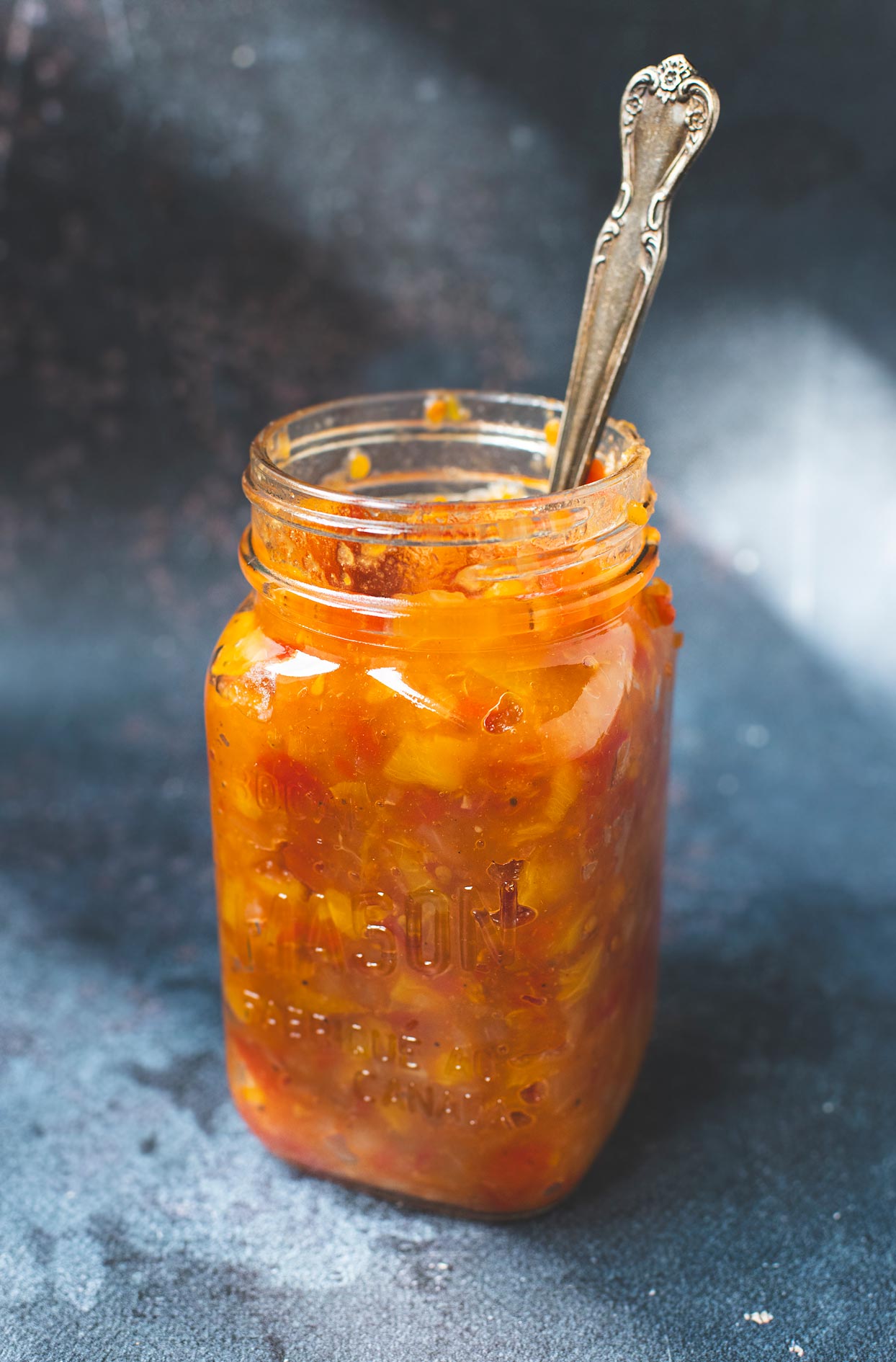
- Preparation 20 min
- Cooking 1 h 30 min
- Servings 1 litre
- Freezing Absolutely
Ads
🍅 I never liked the store-bought kind
Let’s be honest for a second: I was never a fan of store-bought fruit ketchup. I find it lacks flavour, it always tastes the same from one brand to the next, and frankly I find it pretty underwhelming. That’s exactly why I finally built my own. I looked at a bunch of recipes, took what I liked from each one, and I absolutely wanted the apple, pear and peach trio. The result, honestly, is completely over the top. I have never tasted a fruit ketchup as good as this one.
🍯 Fruity without being sickeningly sweet
That’s where it all comes together. Most fruit ketchups lean too sweet and you end up not tasting the fruit at all, just the syrup. Mine is fruity but stays balanced, and it’s the combination of sugar and maple syrup that does it: the maple adds depth instead of just more sweetness. Add the ground coriander and dry mustard, two spices that traditional recipes leave out, and you get a much more complex flavour profile. I eat it by the spoonful, for real.
🥧 On a tourtière, on a steak, on absolutely anything
This has become my new favourite recipe and I’ll be making it every year. Fruit ketchup is the quintessential end-of-summer preserve in Quebec, the one people used to make with whatever the garden had given that year, with every family having their own version. Mine goes on tourtières and stews as tradition calls for, but I don’t hesitate for a second to pour it on a steak. Once you have a jar in the fridge, you put it on everything.
Ads

Ads
🍅 The X and the ice bath, the only way to peel tomatoes
Don’t try to peel a raw tomato with a peeler. You’ll lose half the flesh and all your patience. Score a small X on the bottom of each tomato with the tip of a knife, drop them into boiling water for 1 minute 30 seconds, then transfer them immediately to a bowl of ice water. The temperature shock loosens the skin from the fruit, and it then slips right off with your fingers, starting from the X. Thirty seconds per tomato instead of five minutes of frustration.
🍑 The peach is what changes everything
The classic fruit ketchup trio is tomato, apple and pear. I absolutely wanted to add peach and I will never go back. It brings a floral quality and a natural sweetness that rounds out the acidity of the vinegar, and that’s what gives mine its character. Use fresh peaches only: canned ones are already packed in syrup and would push things into the overly sweet territory that this recipe specifically avoids.
🍯 Maple syrup in addition to sugar, not instead of it
Two tablespoons of maple syrup isn’t enough to make it taste like maple, and that’s intentional. What it does is add depth and caramelized notes that white sugar alone never delivers. That’s the difference between a sweet ketchup and a ketchup with real substance. If you double the amount thinking you’re doing yourself a favour, you’ll overpower the fruit.
🥄 How to know when it’s ready
Two cues, not a timer. First: the mixture coats the back of a spoon instead of running right off. Second, and this is the most reliable: drag your spoon along the bottom of the pot and it should leave a visible trail for a second or two before closing back up. There should still be some liquid, but thick liquid. If you go further, you’ll end up with tomato jam.
🍲 Uncovered, and stir regularly
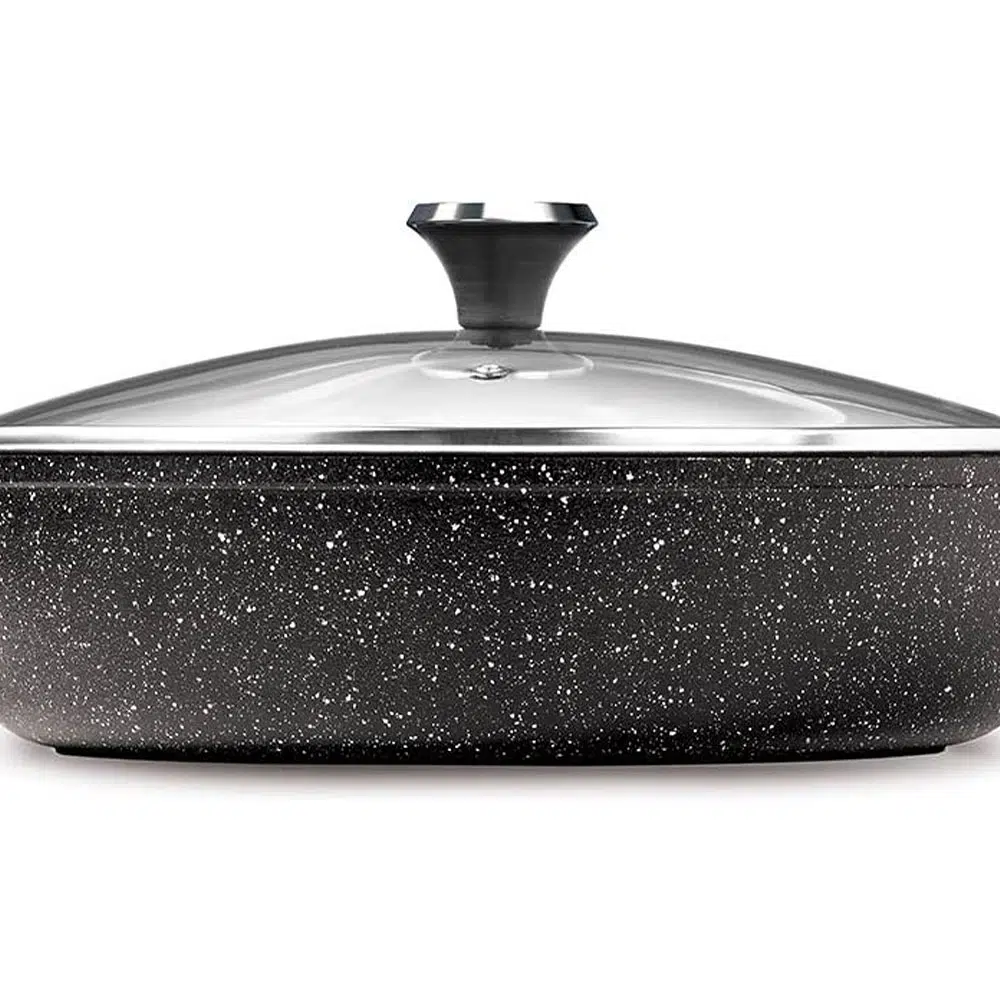
The simmer always happens without a lid: it’s the evaporation that thickens the ketchup, so a lid would undo all the work. And stir regularly, every ten to fifteen minutes. At low heat for 1 hour 30 minutes, there’s no risk of it sticking to the bottom as long as you pass through with your wooden spoon every now and then.
🍅 Which tomatoes to use
I don’t have a garden, so I use store-bought tomatoes and it works great. If you have access to garden tomatoes, three nice large medium-sized tomatoes will do the job instead of four. Use regular tomatoes, not Roma tomatoes: those are drier and firmer, perfect for a sauce, but you lose the juicy flesh we’re looking for here.
🫙 How to can your fruit ketchup
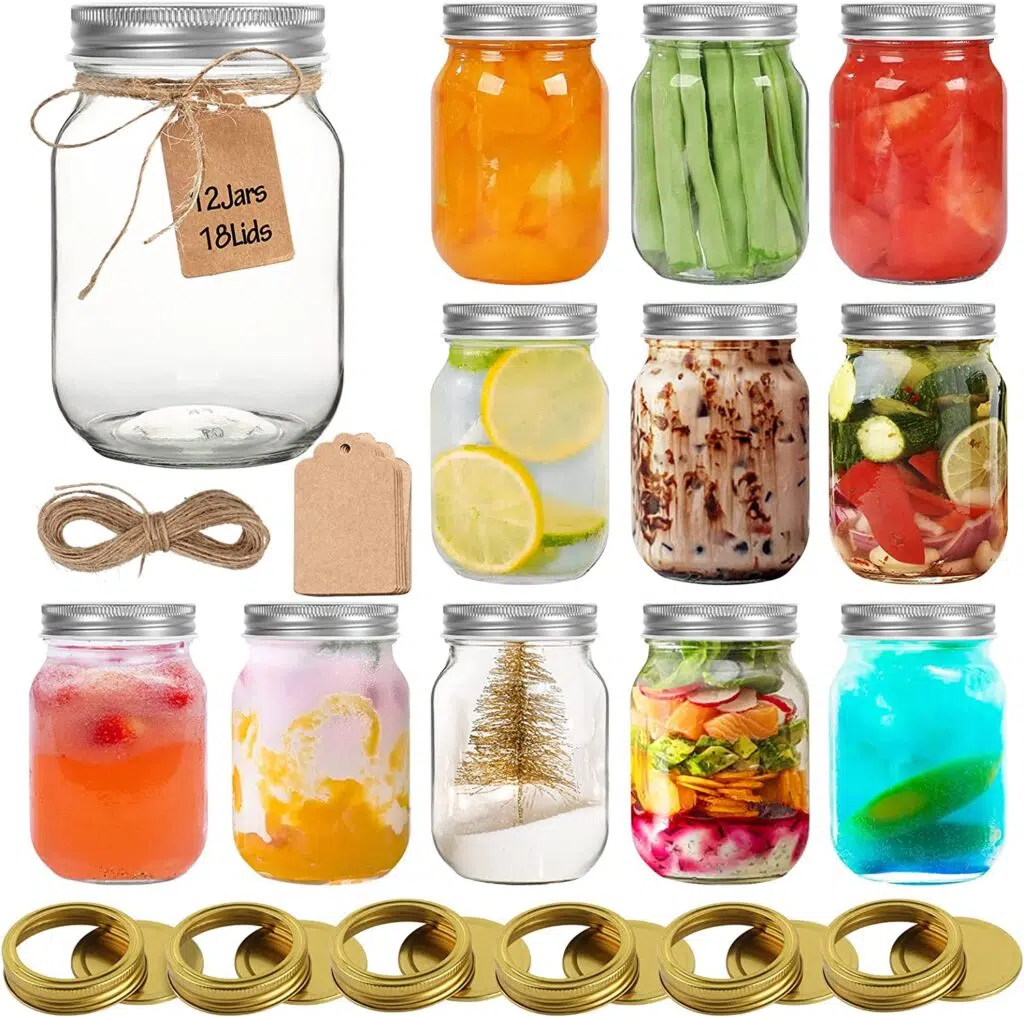
This is what lets you keep it all year in the pantry instead of just a few days in the fridge. Sterilize your Mason jars and their lids by boiling them for 10 minutes in a large pot of water. Fill the jars with the still-hot ketchup leaving about 1 cm of headspace below the rim, wipe the rim clean with a clean cloth, then screw on the lids without overtightening. Submerge the sealed jars back in the boiling water, making sure the water covers them by at least 2 cm, and count 15 minutes from when the water returns to a full boil. Remove them and let them cool without touching them: you’ll hear the lids pop one by one as they seal. A properly sealed lid is concave and doesn’t move when you press the centre. A sealed jar keeps for one year in the pantry, and once opened it goes back in the fridge for a few days.
✅ What to serve with my homemade fruit ketchup?
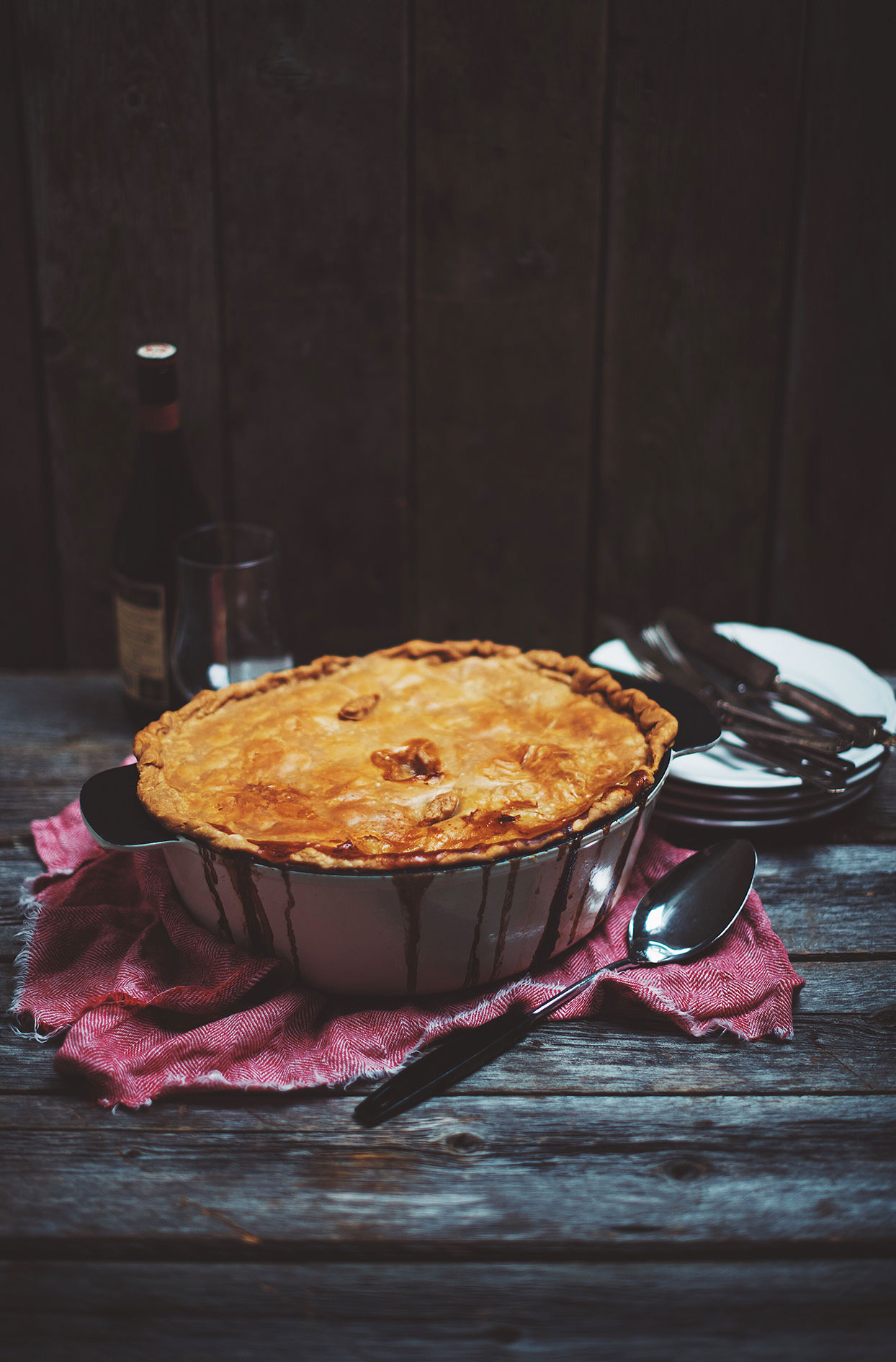
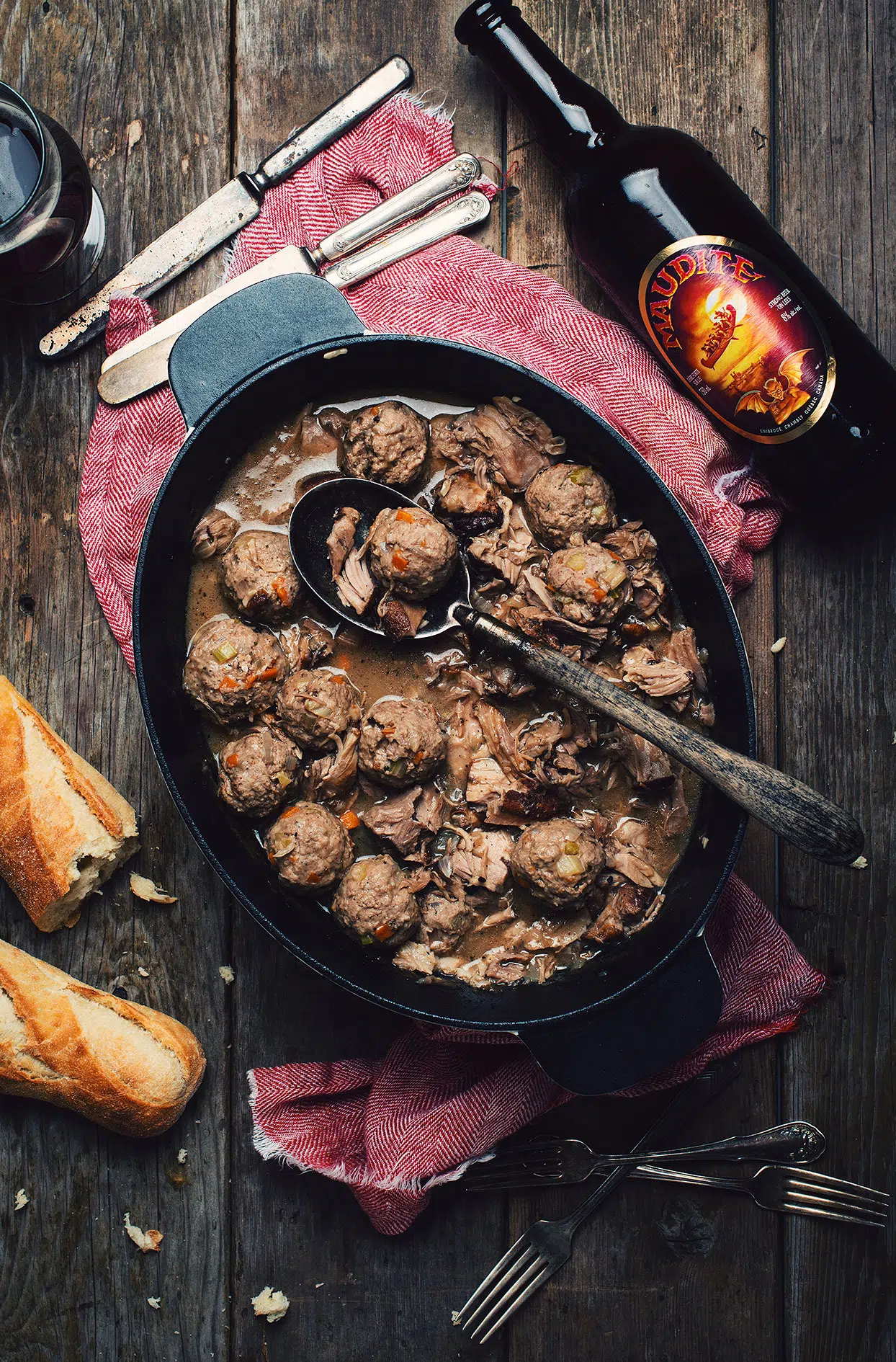
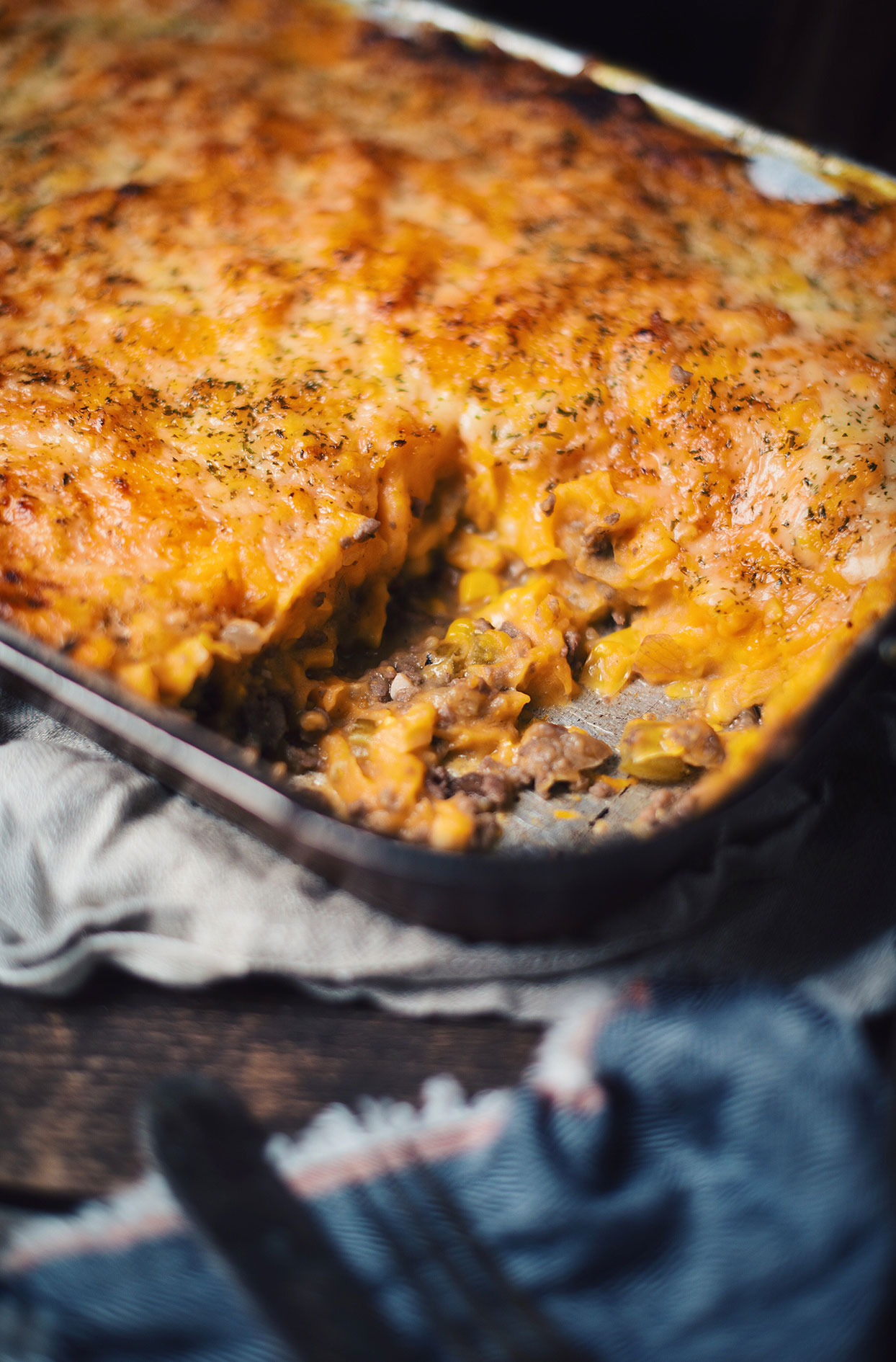
Tradition says it goes with hearty winter stews, and tradition is right. It’s made for my Classic meat pie with beer (tourtière) and my Lac-Saint-Jean meat pie (tourtière), where its acidity cuts through the fat of the meat. On my Deluxe Shepherd’s pie and my Meatballs and pork legs stew with Maudite beer, it’s basically mandatory. But don’t stop there: I pour it on a grilled steak without any shame, and it’s excellent with my Bacon and spaghetti squash meatloaf.
Ads
Ketchup
- 4 medium tomatoes (about 2 lb/900 g)
- ⅔ cup (160 ml) sugar
- 2 tbsp (30 ml) maple syrup
- ½ cup (125 ml) apple cider vinegar
- 3 apples, peeled, cored and finely chopped
- 2 pears, peeled, cored and finely chopped
- 2 peaches, peeled, pitted and finely chopped
- 1 onion, finely chopped
- ½ tsp (2 ml) freshly ground pepper
- ½ tsp (2 ml) ground coriander
- ½ tsp (2 ml) kosher salt
- ¼ tsp (1 ml) ground cloves
- ¼ tsp (1 ml) dry mustard powder
- 1 pinch ground cinnamon
- 1 pinch hot pepper flakes (optional)
- 1 bay leaf
Ads
Preparation
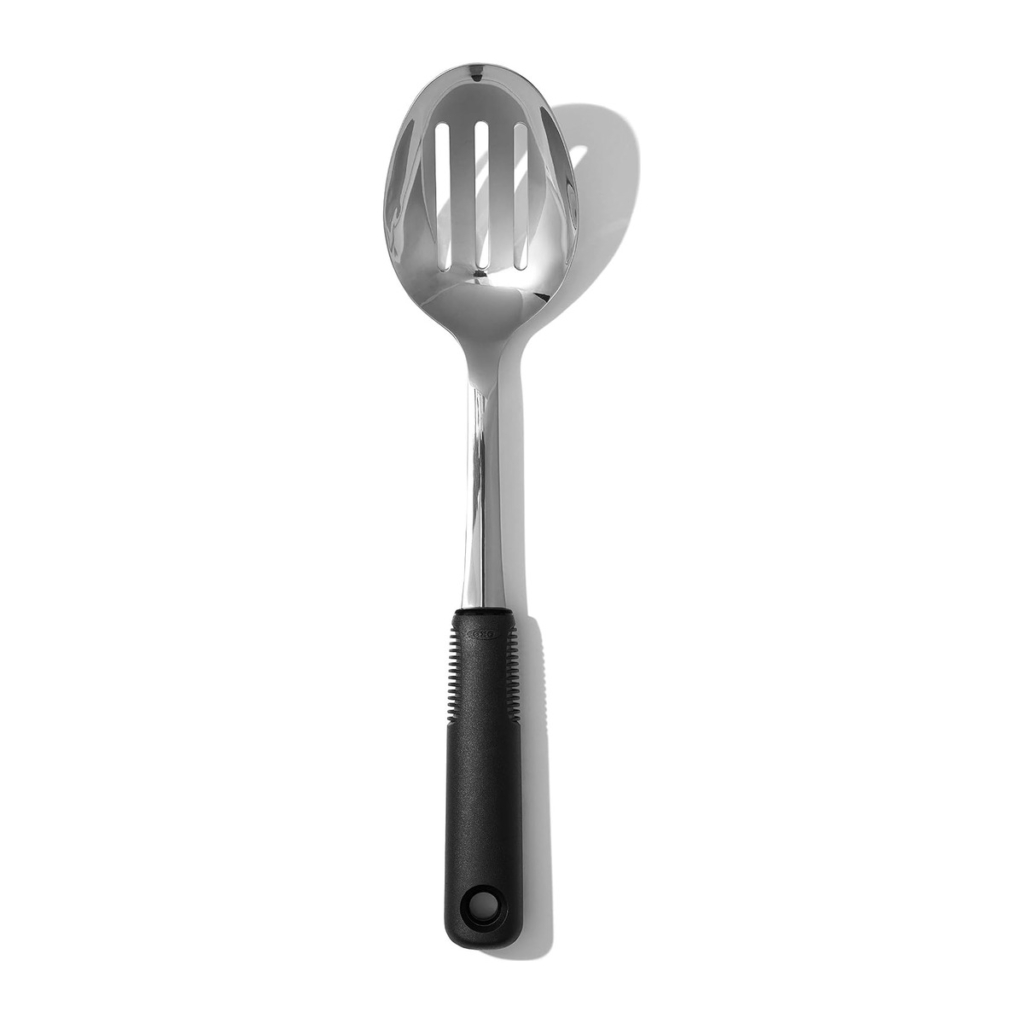
- Bring a medium saucepan of water to a boil and fill a medium bowl with ice water. With a knife, score a small X on the bottom of each tomato. Plunge the tomatoes into the boiling water and cook for 1 minute 30 seconds, until the skin starts to peel away and curl. Transfer them to the ice water with a slotted spoon and leave until cool enough to handle.
- Peel the tomatoes by hand, then finely chop them and place in a large non-reactive pot. Add the sugar, maple syrup, apple cider vinegar, apples, pears, peaches, onion, pepper, coriander, salt, cloves, dry mustard, cinnamon, pepper flakes and bay leaf.
- Bring to a boil over medium-high heat, then reduce to low and simmer uncovered for 1 hour to 1 hour 30 minutes, stirring regularly. The ketchup is ready when it has reduced nicely, coats the back of a spoon and the spoon leaves a clear trail along the bottom of the pot. There should still be some liquid, but thick liquid.
- Remove from heat, discard the bay leaf and let cool completely. Transfer to an airtight jar and refrigerate, or process in sterilized Mason jars to keep it all year long.
It’s a traditional Quebec preserve that has almost nothing in common with commercial red ketchup. Tomatoes are simmered at length with autumn fruits, onion, sugar, vinegar and warm spices until you get a thick, sweet-tangy and fragrant condiment. It was born out of necessity: at the end of summer, you had to use up the garden surplus before the frost came. Every family had their own version, passed down orally and adapted to whatever the land had produced that year. It’s traditionally served alongside slow-cooked winter dishes, tourtières and stews.
Boil your Mason jars and lids for 10 minutes to sterilize them. Fill them with the still-hot ketchup leaving 1 cm of headspace below the rim, wipe the rim carefully clean, then screw on the lids without tightening them all the way. Submerge the jars back in the boiling water making sure they’re covered by at least 2 cm of water, and count 15 minutes from when the water returns to a full boil. Remove them and let them cool without touching them. The lids will pop as they seal, and a properly sealed lid stays concave and doesn’t move when you press the centre. A sealed jar keeps for one year in the pantry. If a lid hasn’t sealed, just put that jar in the fridge and eat it first.
It belongs to the same big family, traditional Quebec fruit ketchups made with tomatoes, fruit, vinegar and spices, and the process is the same. Where mine stands apart is in the flavour profile. I add peaches to the usual tomato-apple-pear trio, maple syrup alongside the sugar, and especially ground coriander and dry mustard that classic versions generally don’t include. The result is more complex on the palate and less sweet. If you have your grandmother’s recipe, keep it close and try mine alongside it: that’s the best way to form an opinion.
Regular tomatoes, not Roma tomatoes. Roma tomatoes are firmer and less juicy, which is great for a sauce but robs you of the flesh you’re looking for here. I buy mine at the store, but if you have a garden, three nice large medium-sized tomatoes replace the four in the recipe. For the fruit, the peach must be fresh, never canned, because the canning syrup would push the ketchup into overly sweet territory. Apples and pears are more forgiving: use whatever you have on hand, the important thing is that they’re nice and ripe. And the pepper flakes are truly optional. I don’t add them myself.
Start with the classics: my classic meat pie with beer (tourtière), my lac-saint-jean meat pie (tourtière), my deluxe shepherd’s pie and my meatballs and pork legs stew with maudite beer. It’s also perfect on my bacon and spaghetti squash meatloaf. And if you want my personal opinion, try it on a grilled steak. It surprises people, but the fruity acidity with seared meat is unbeatable.
Ads
Ads

Ads
Ads
Ads