

Cauliflower Au Gratin Recipe (Cheesy Bacon)
- Preparation 25 min
- Cooking 45 min
- Servings 6 to 8
- Freezing Absolutely
Ads
🧀 I had to freeze it to stop eating it
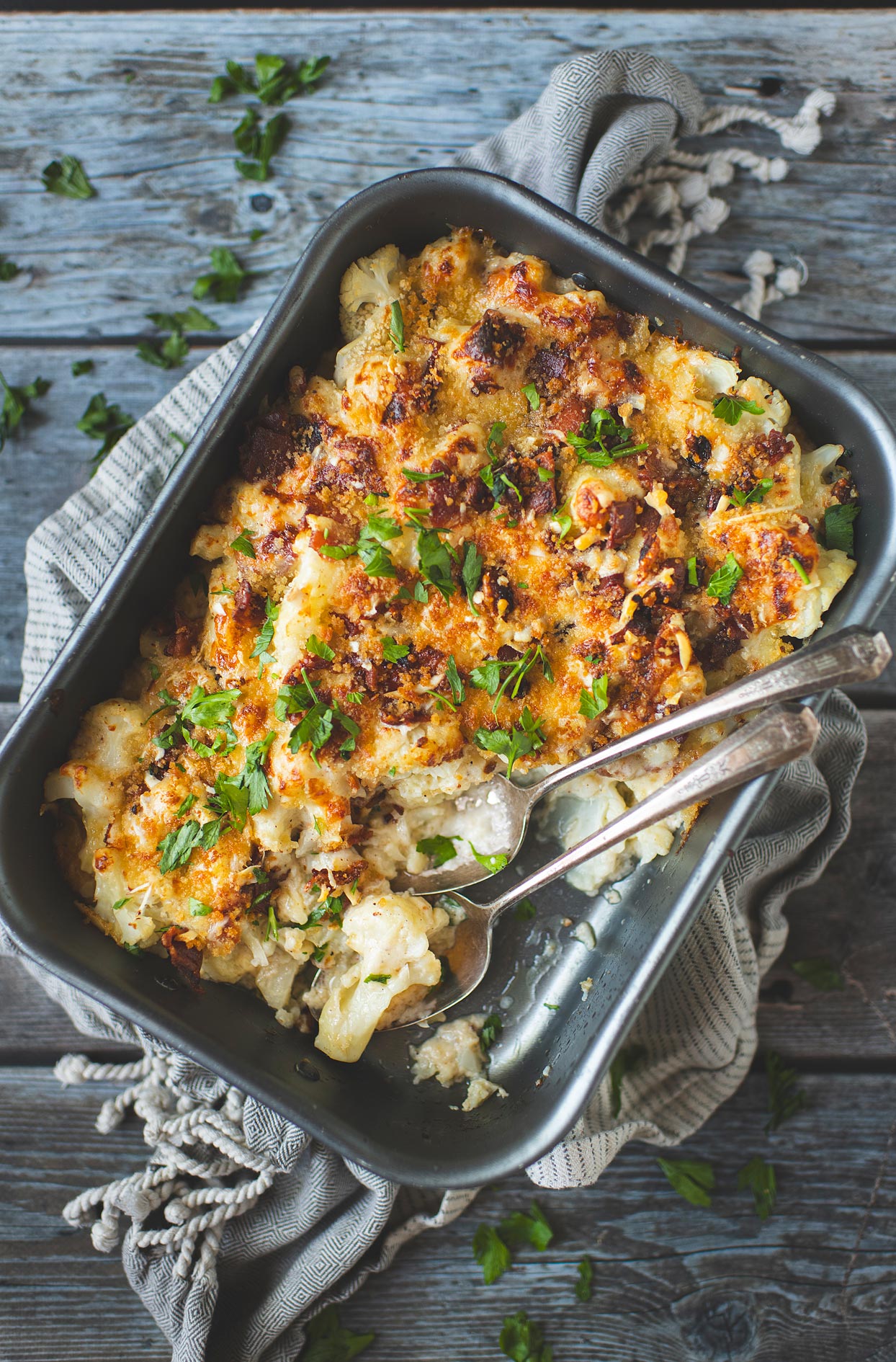
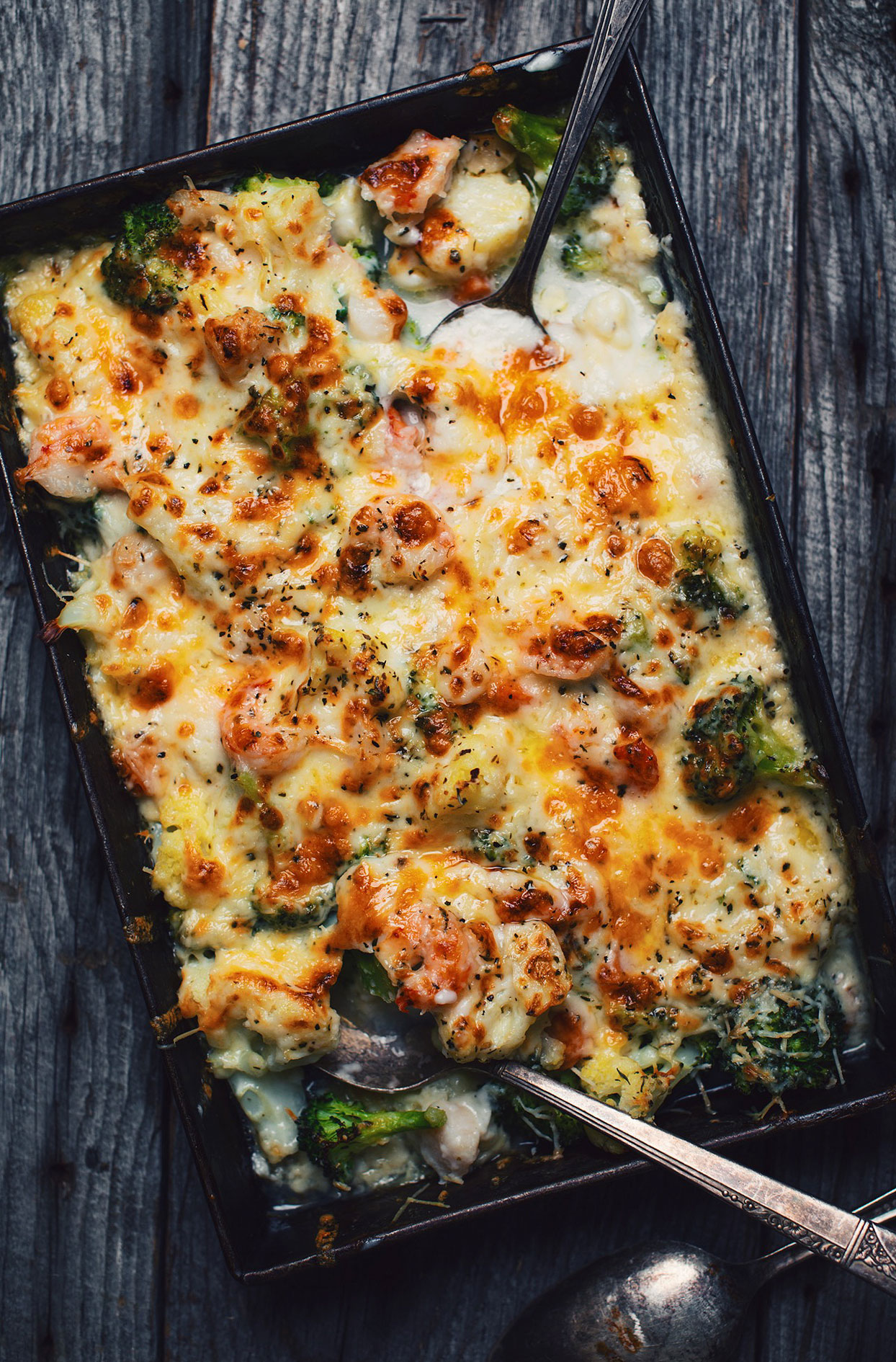
I’m not kidding. This gratin is decadent to the point of being a problem. Bacon, a bechamel, melting cheese stirred INTO the sauce and piled on top, and a crumb topping that cracks over the whole thing. You loosen your belt, that’s all there is to it. My kids lost their minds over it too. I ended up putting some in the freezer purely to stop myself from going back for a second plate. It’s the kind of dish you remember.
🫕 The cheese melts INTO the sauce, not just on top
That’s the whole thing. Everybody makes cauliflower cheese with emmental or cheddar dropped over the top. I build a bechamel and whisk half the cheese into it off the heat, then keep the other half for the surface. Raclette, a Swiss-style washed-rind cheese, melts at a lower temperature than almost anything else and stretches about twice as far: the sauce turns thick and stringy, completely unlike an ordinary gratin. I even blend two kinds for more depth.
💧 No water in the bottom of the dish, and here’s why
This is THE flaw that ruins a cauliflower gratin: you pull the dish out and there’s a puddle underneath. Cauliflower is more than 90% water, and everybody boils it. Two moves fix it for good. Cook the florets until just tender, no further, and above all DRAIN them properly before they go in the dish. Then throw out the bacon fat instead of pouring it into the sauce. I didn’t get a single drop of water at the bottom.
Ads
Ads
🫕 Blend two raclette cheeses
I used half an apple cider tomme and half Minestrel, both firm raclette-style cheeses. Each brings something: one is fruitier, the other more direct, and together they give a depth a single cheese doesn’t have. Any firm raclette works, so take what your cheese counter has. What matters is grating it yourself: pre-shredded is coated in starch and it makes the sauce grainy.
💧 Drain properly, that’s all it takes
Cauliflower is over 90% water and that’s what ruins gratins. Cook the florets until just tender, no further, then let them sit in a colander while you build the bechamel and cook the bacon. That gives them a good ten minutes to shed. Do the same with the bacon on paper towel, and throw the pan fat out instead of pouring it into the sauce. Two sources of liquid gone, and no puddle underneath.
🧀 The cheese goes in OFF the heat, never on the burner
That’s the rule with raclette. It’s a high-fat pressed cheese: let it simmer and the proteins tighten, the fat separates, and your sauce turns oily and grainy. Pull the pan off the heat, wait two seconds, then whisk the cheese in. It melts on residual heat alone.
🥄 Keep the bechamel looser than usual
Raclette thickens enormously as it melts, far more than emmental or cheddar. If your bechamel is already tight when the cheese goes in, you’ll end up with paste instead of sauce. Aim for something that coats a spoon but still pours, and let the cheese finish the job.
🍞 The breadcrumbs are not optional
No French cauliflower gratin recipe uses them, and that’s a mistake. A quarter cup covers a 9 x 13. It’s the only crunch in the dish: without it you have three soft textures that all feel the same, the cauliflower, the sauce and the melted cheese. Use seasoned crumbs, it’s a free layer of flavor.
🧂 Salt generously, DESPITE the bacon and the cheese
The instinct is to hold back on salt because there’s already bacon and raclette in there. That’s mistake number one with this dish. Two large heads of cauliflower is close to four pounds of vegetable that absorbs everything, and the dish ends up bland in the middle while the top tastes strong. Season the bechamel properly, taste the sauce before you pour it, and adjust.
🔥 Broil one or two minutes, no more
After the 20 to 25 minutes of baking, the top is golden but it doesn’t crunch yet. A minute or two under the broiler and the crumb takes its color and its snap. Stand at the oven door: it goes from golden to burnt in thirty seconds, and the cheese on top doesn’t help.
📅 Make-ahead
The whole dish assembles the day before, except the bechamel. Cook your cauliflower, cook your bacon, grate your cheese, and keep each in its own labeled container in the fridge. The bechamel gets made the day of: it sets as it cools and stops spreading, and the cheese in it doesn’t take kindly to being reheated twice. Budget fifteen minutes on the day.
❄️ It freezes very well
No hesitation, and that’s literally how I stopped eating it. The texture shifts slightly on thawing, the sauce is a touch less smooth, but honestly the kids never noticed a thing. Thaw in the refrigerator and reheat in the oven, never the microwave, or the raclette will separate.
✅ What to serve with my cauliflower au gratin with bacon?
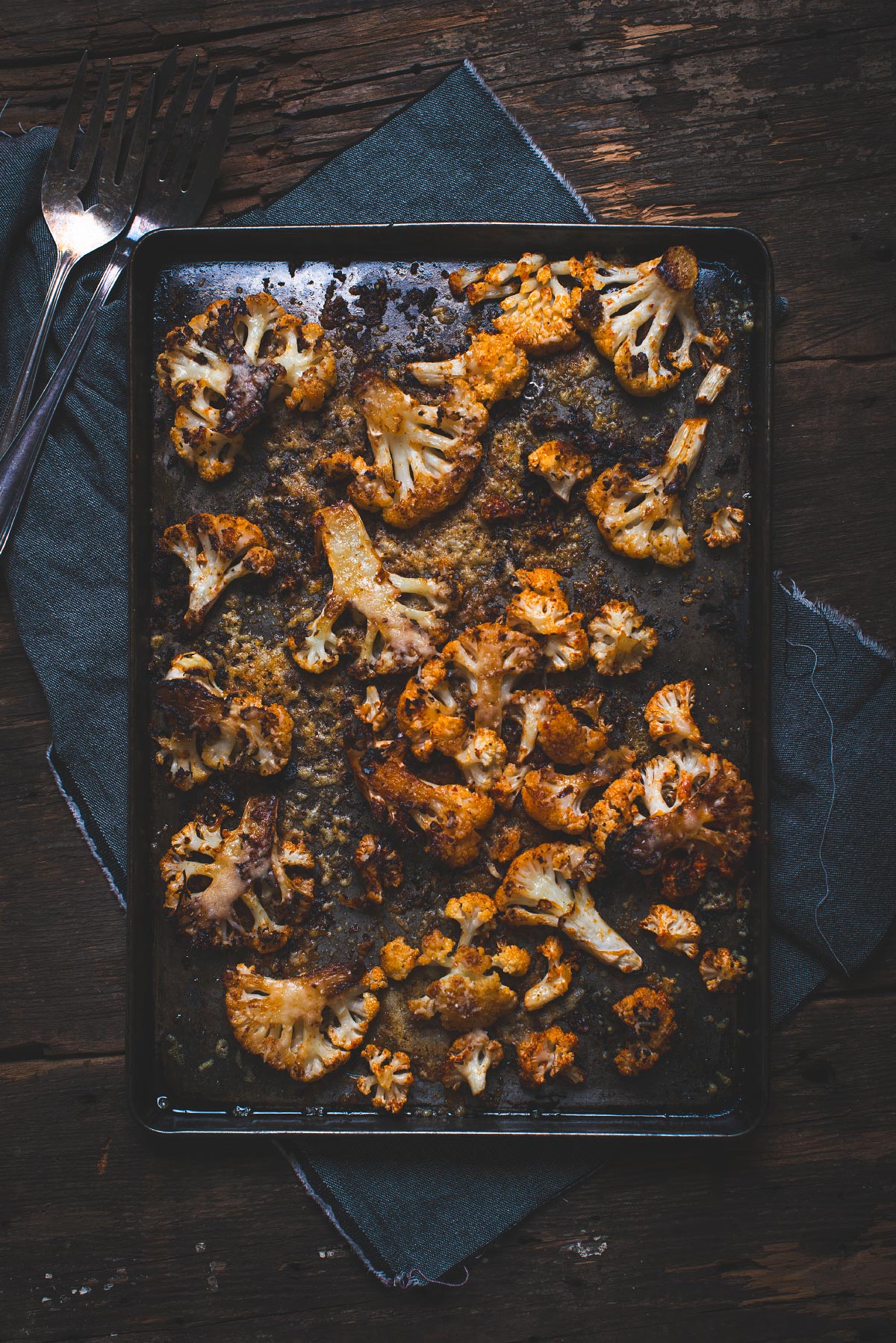
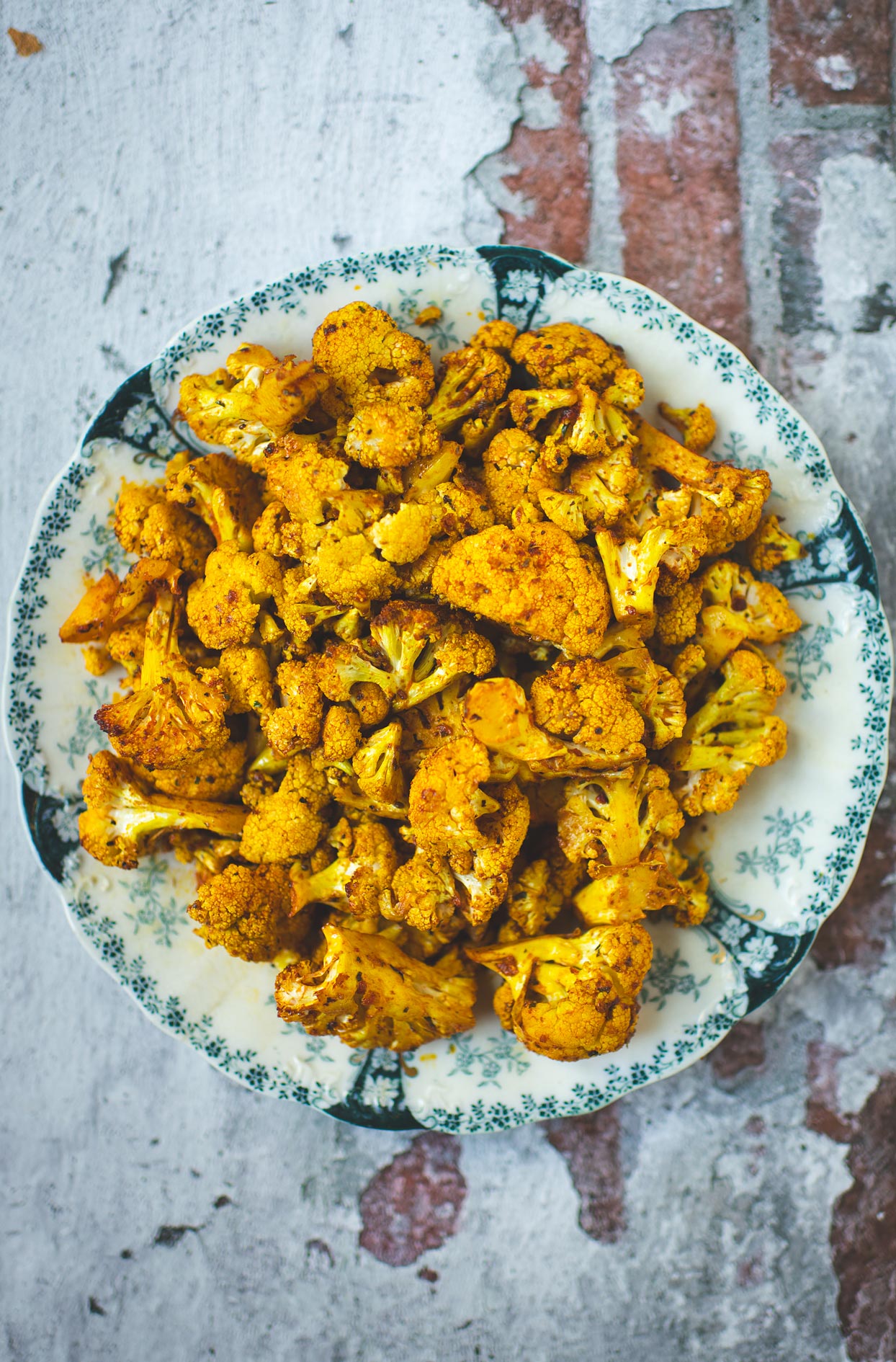
It’s a side dish, but one that steals the show. It’s made for simple meat that won’t fight it: a braise, a grilled steak, a roast chicken. Nothing saucy, nothing creamy alongside, there’s plenty of that already. Honestly it also holds up on its own as a main with a sharp green salad. For other ways to treat cauliflower, look at my parmesan roasted cauliflower, which goes the dry crispy route, and my air fryer cauliflower.

Ads
Ingrédients
- 2 large heads of cauliflower, cut into florets
- 1 package (375 g) bacon, cut into lardons
- 5 tbsp (75 ml) butter
- 5 tbsp (75 ml) all-purpose flour
- 2 large garlic cloves, finely chopped
- 4 cups (1 L) milk
- 350 g firm raclette cheese, grated
- ¼ tsp (1 ml) ground nutmeg
- ¼ cup (60 ml) seasoned breadcrumbs
- Chopped fresh parsley, for garnish
Ads
Preparation
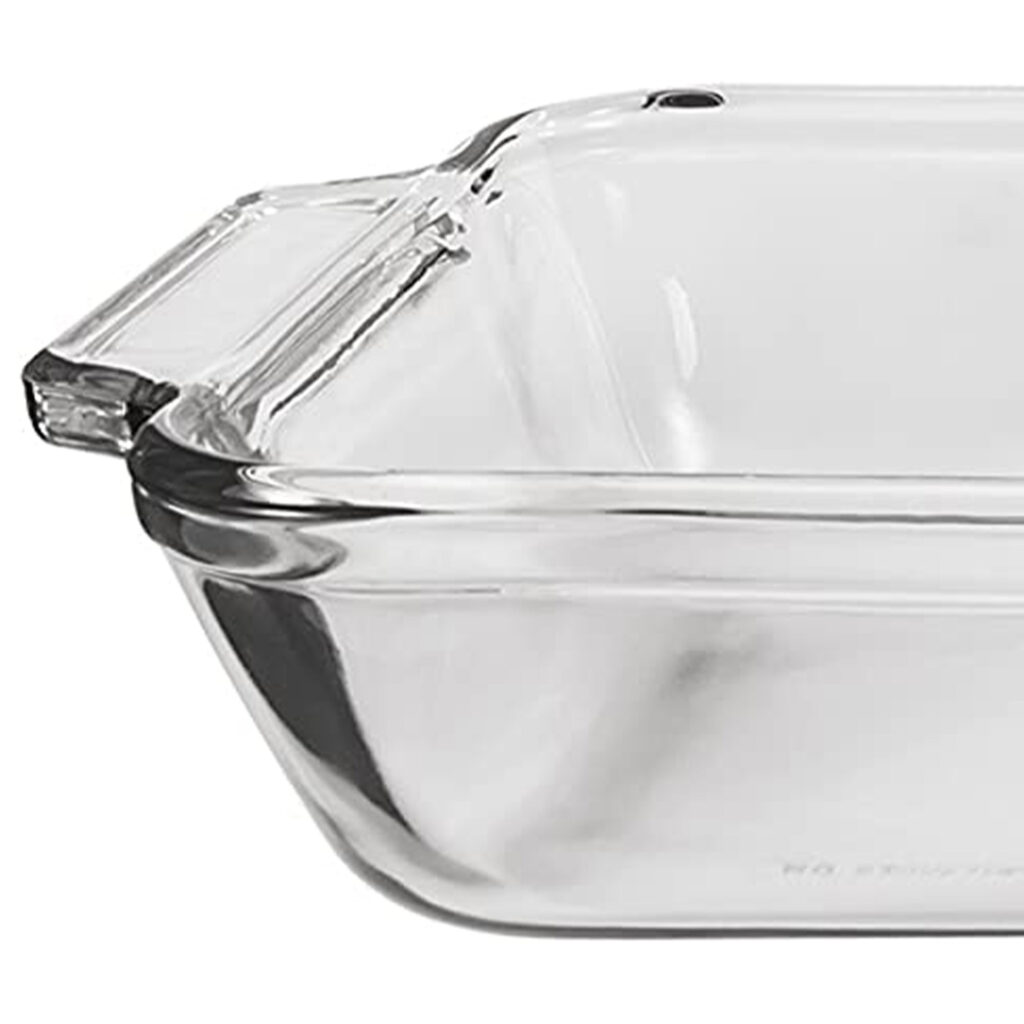
- Preheat the oven to 375°F (190°C) and butter a 9 x 13 inch baking dish.
- Bring a large pot of salted water to a boil. Cook the cauliflower florets for 5 to 6 minutes, until just tender. Drain thoroughly in a colander and leave them to keep draining while you prepare the rest.
- In a skillet over medium heat, cook the bacon lardons until crisp. Drain them on paper towel and throw out the fat in the pan.
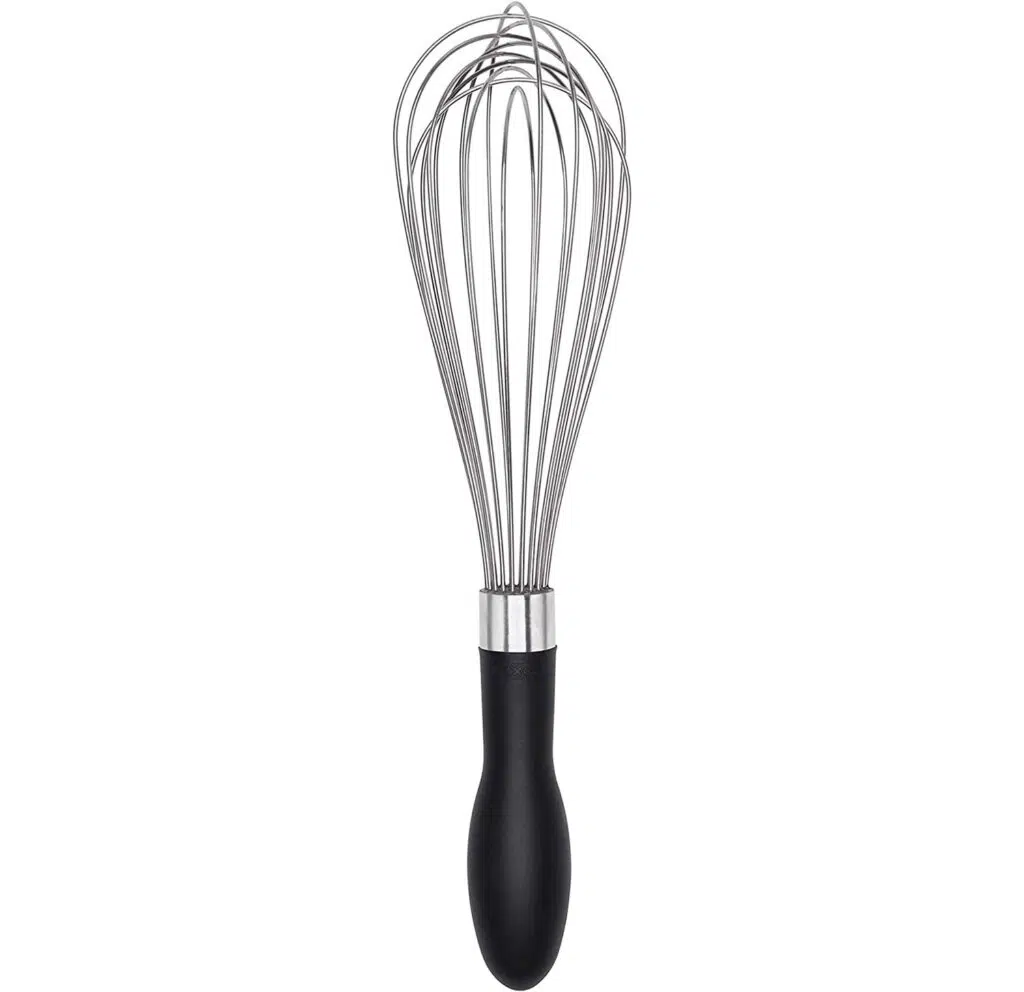
- In a saucepan over medium heat, melt the butter. Add the garlic and cook 30 seconds. Stir in the flour and whisk for 1 minute to form a roux, without letting it color.
- Pour in the milk gradually, whisking constantly, until the sauce thickens and coats the back of a spoon, about 5 minutes.
- Take the pan off the heat. Whisk in half the cheese until melted, then stir in half the bacon. Add the nutmeg and season generously with salt and pepper.
- Put the drained cauliflower in the dish. Pour all of the cheese sauce over it, then scatter the remaining cheese and the remaining bacon on top. Sprinkle with the breadcrumbs.
- Bake for 20 to 25 minutes, until the top is golden and bubbling. Finish under the broiler for 1 to 2 minutes to brown the crust, watching constantly.
- Let it rest 5 minutes, garnish with chopped fresh parsley and serve.
Drain it, and throw out the bacon fat. Cauliflower holds more than 90% water: cook the florets until just tender and no further, then leave them in a colander for a solid ten minutes while you prepare everything else. Never put them in the dish still dripping. The second source of liquid is the fat the bacon renders: drain the lardons on paper towel and don’t pour the pan fat into the sauce. Those two habits are the whole fix.
Close, but not identical. Cauliflower cheese is the British version: cauliflower under a cheese sauce, baked, usually with nothing on top. A gratin is the French framing, and the word refers to the browned crust itself, which means a crumb topping or extra cheese broiled at the end. In practice the base is the same bechamel. My version leans gratin: breadcrumbs, a broiler finish, and bacon folded through, which you’d rarely see in a classic cauliflower cheese.
The classic answer is emmental or gruyère. I use firm raclette, a Swiss-style washed-rind cheese, and it’s what makes this version different: it melts at a lower temperature and stretches far more, which gives a noticeably richer sauce. I even blend two kinds. Two rules whatever you pick: grate it yourself, since pre-shredded is coated in starch that makes the sauce grainy, and stir it in off the heat.
You need to cook it somehow, but only partway. Raw florets stay crunchy and release their water late, right into the finished dish. Five to six minutes in salted boiling water gets them tender, and they finish cooking in the sauce in the oven. Steaming works just as well and adds less water. What you must not skip either way is the draining: that’s what separates a gratin from a soup.
Grilled or braised meat, or on its own as a main with a sharp salad. It’s a side dish, but a decadent enough one to hold the center of the table. For other ways to cook cauliflower, take my parmesan roasted cauliflower or my air fryer cauliflower, two dry and crispy versions that taste nothing alike.
Ads
Ads

Ads
Ads
Ads