

French Meringue Recipe (Stiff Glossy Peaks)
- Preparation 20 min
- Servings 8
- Freezing I do not suggest
Ads
🥚 Four egg whites, some sugar, and your dessert game changes!
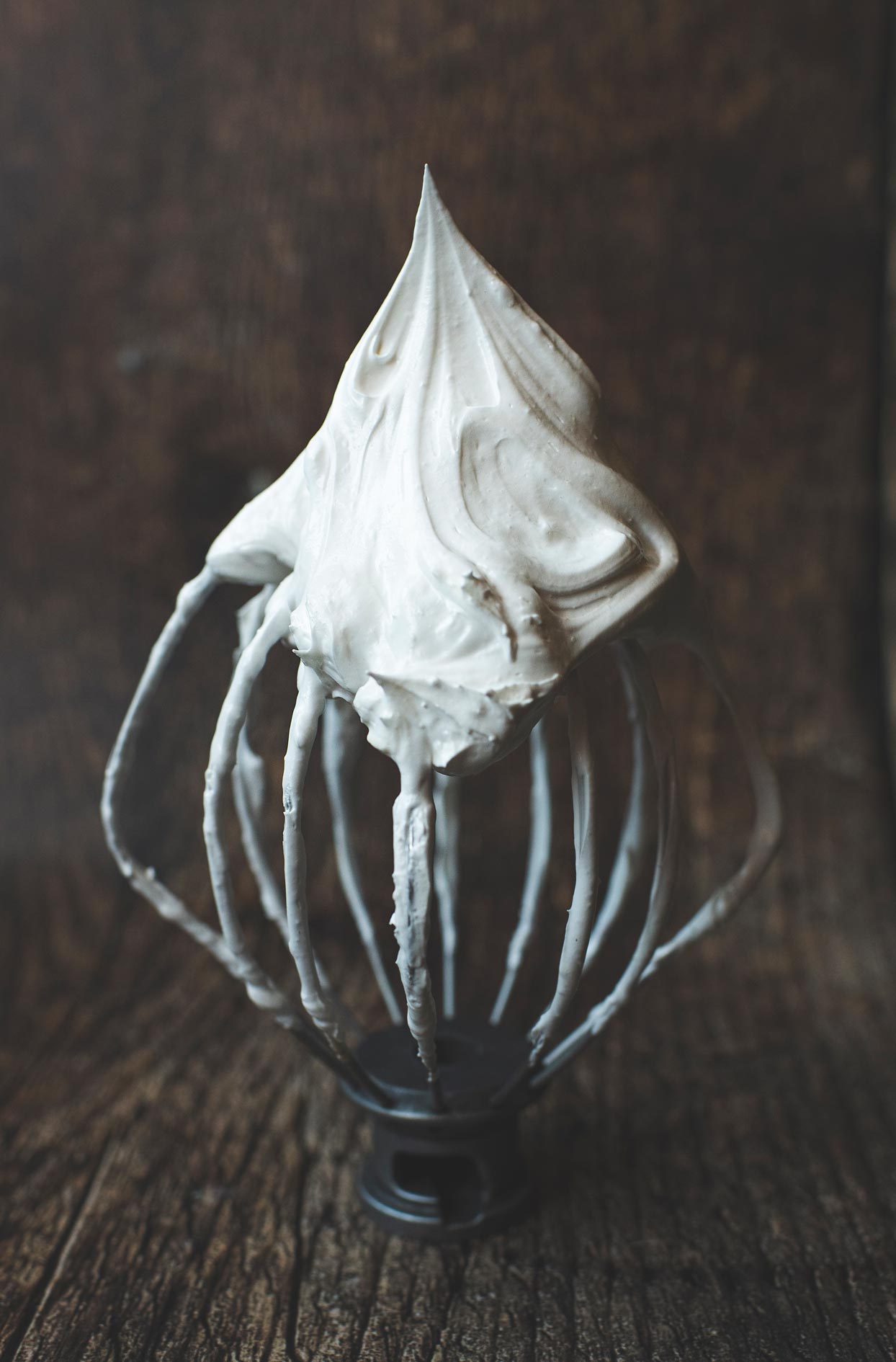
There are three kinds of meringue and the French one is the simplest of the three. No boiling syrup, no double boiler, no thermometer. Whites go in the mixer, sugar goes in slowly, and about fifteen minutes later you have a thick, glossy white mass that stands straight up on the whisk. The first time you nail it you feel like an actual pastry chef! And honestly, it is almost impossible to mess up once you know the two or three things I lay out below.
🧽 The one thing that ruins a meringue
Fat. That is it. A speck of yolk, a bowl that was not wiped down, a spatula that touched butter, and your whites will never climb. They will sit there as loose foam for twenty minutes while you wonder what you did wrong. So before you start, wipe the bowl and the whisk with vinegar and dry them well. It takes ten seconds. I never skip it anymore.
🍰 A base that unlocks everything else
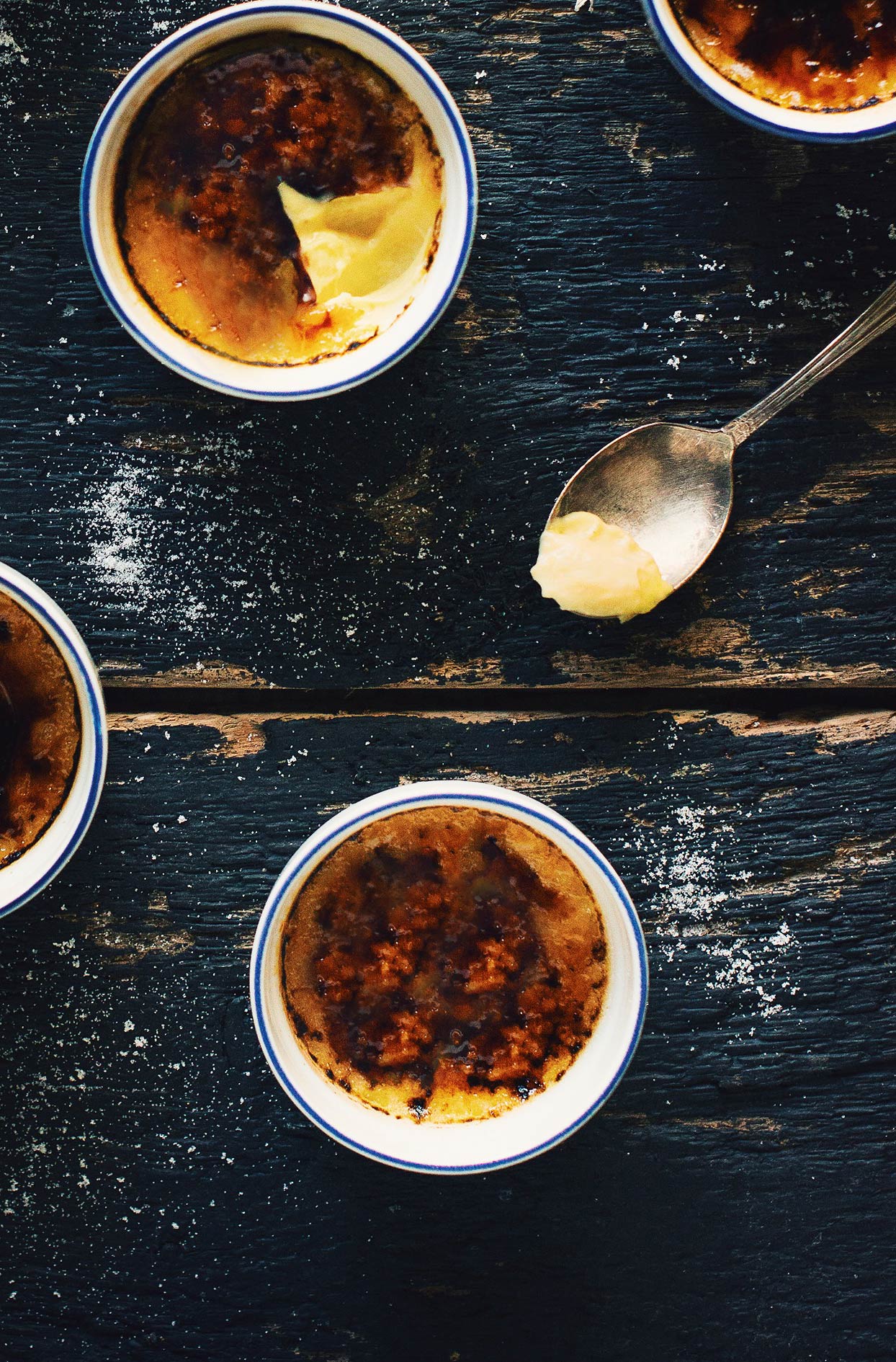
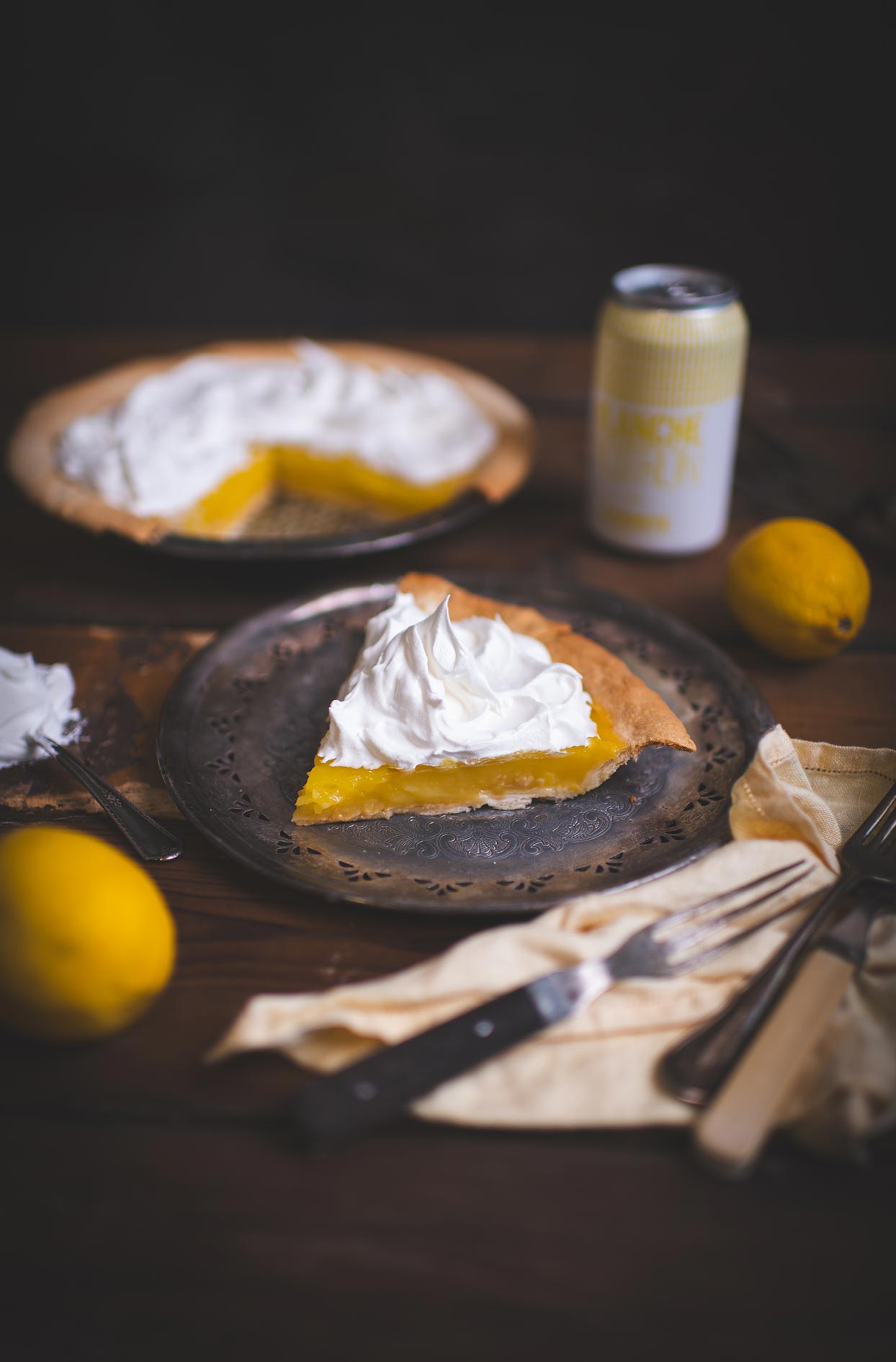
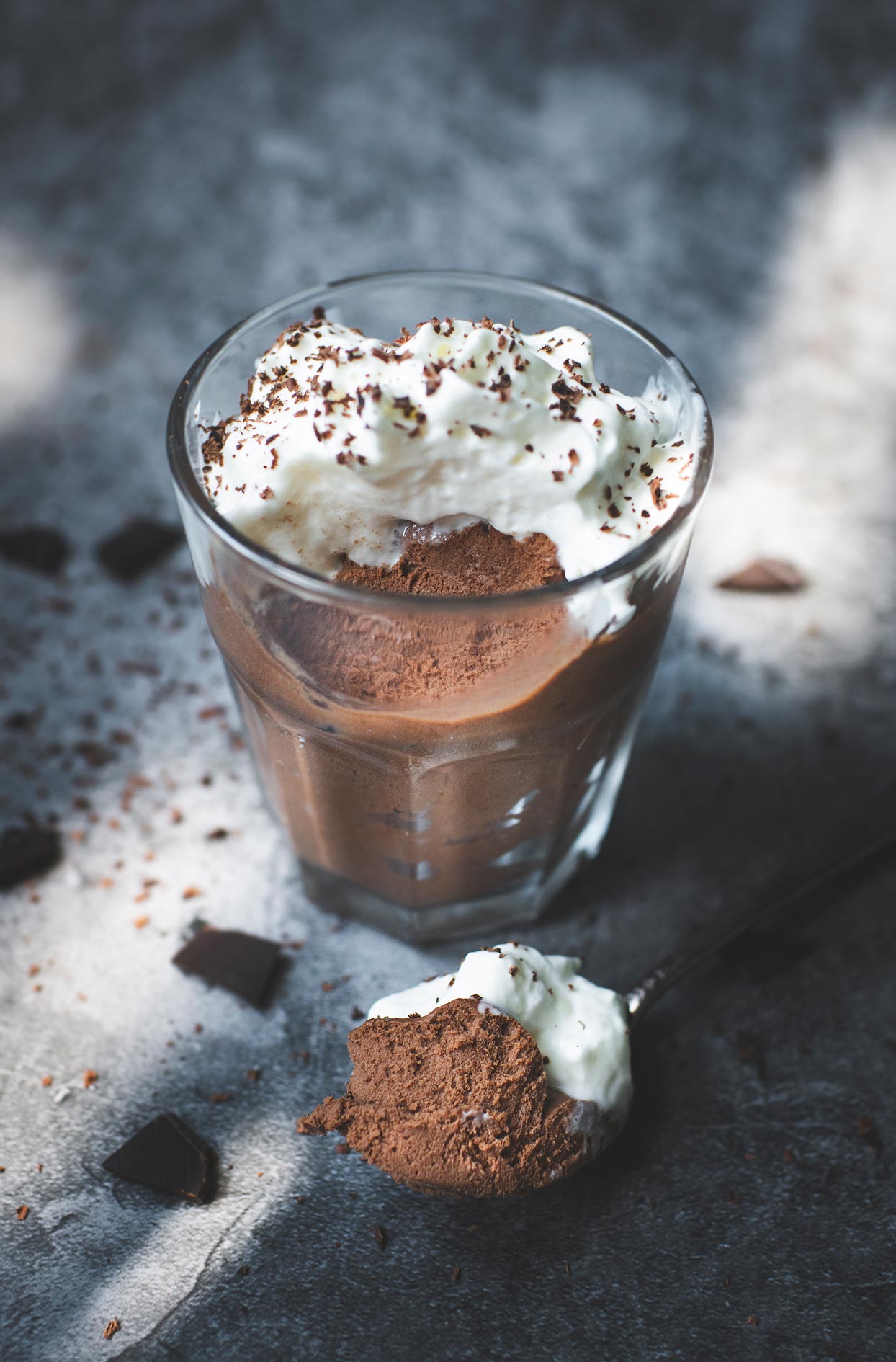
This is the recipe that opens up the rest of your dessert book. Pipe it and dry it in the oven and you get meringue cookies. Spread it over a lemon tart and run it under the broiler and you have the classic. Shape it into a disc, pile on cream and fruit, and that is a pavlova. Best of all: when a crème brûlée or a mousse eats five yolks, you finally have something to do with the whites instead of pouring them down the drain.
Ads
Ads
🧽 Vinegar on the bowl and the whisk
This is tip number one and nobody writes it down. Fat is the enemy of egg whites: it stops the proteins from building the web that traps air. A cloth dipped in white vinegar over the bowl and the whisk, dried well, and you start from a clean base. That goes for a stainless steel bowl straight out of the dishwasher too. Avoid plastic, which holds grease in its micro-scratches no matter how hard you scrub.
🥚 Separate the eggs one at a time, into a small bowl
One drop of yolk in the whites and it is over, you start again. So crack each egg over a small separate bowl, and only pour the white into the big bowl once you can see it is clean. That way, if the fourth egg breaks, you lose one white instead of four. Room-temperature whites climb faster and give more volume, so take the eggs out a good half hour ahead.
⚖️ The ratio is twice as much sugar as whites
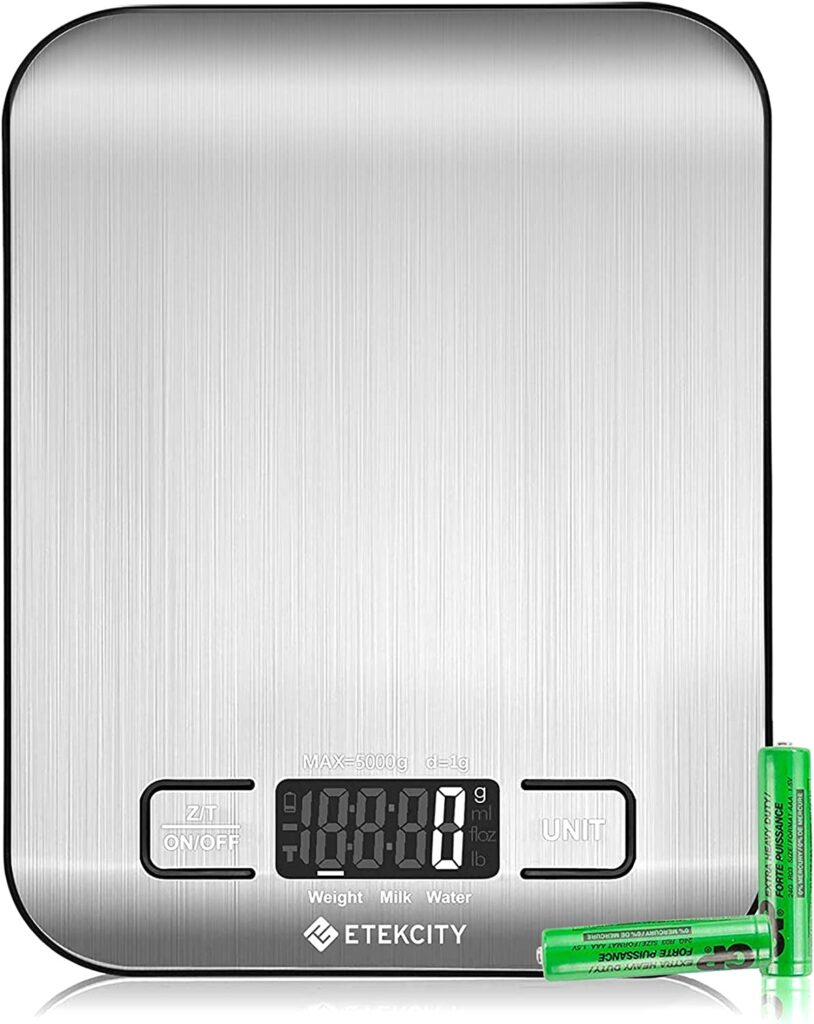
One cup of sugar is 200 g. Four large whites run about 140 g. The higher you push the sugar, the firmer and more stable the meringue, and the crisper it dries into a cookie. The less you use, the softer and foamier it stays, which is perfect for topping a dessert eaten with a spoon. A kitchen scale gives you real control over that, far more than a measuring cup.
🤏 The finger test
Trust your fingers, not the clock. Take a little meringue and rub it between your thumb and index finger. If you feel sugar grains, it is not ready, no matter how long the mixer has been running. Keep going on high and test again every couple of minutes. Undissolved sugar is what makes a meringue weep little beads of syrup in the oven, and at that point there is no fixing it.
🍋 Cream of tartar, and what to use instead
It is a mild acid that lowers the pH of the whites and stabilizes the foam. The meringue holds up longer and weeps less. The usual benchmark is an eighth of a teaspoon per egg white. If you have none in the cupboard, half a teaspoon of lemon juice or white vinegar does the same job. And if you have neither, go ahead anyway: the whites will still climb, they just will not hold as long.
🌧️ Don’t make it on a rainy day
Sugar is hygroscopic, which means it pulls water out of the air. On a humid day your meringue grabs that moisture and turns sticky, soft, impossible to dry properly. That is why meringue always works better in the dead of winter, when the air in the house is dry. If you have no choice, shut the range hood, avoid boiling anything nearby and work fast.
📅 Make-ahead prep
The meringue itself cannot be made ahead: once whipped it starts to settle and weep within an hour or two, so it gets used right away. The prep around it, though, can all happen the night before. Take out your eggs and separate the whites, keep them in a labeled sealed container in the fridge, then pull them out half an hour before whipping. Weigh your sugar ahead. Wipe the bowl and whisk with vinegar and put them away clean. Line your sheet with parchment. On the day, all that is left is turning on the mixer, and that is fifteen minutes.
✅ What to serve with my French meringue
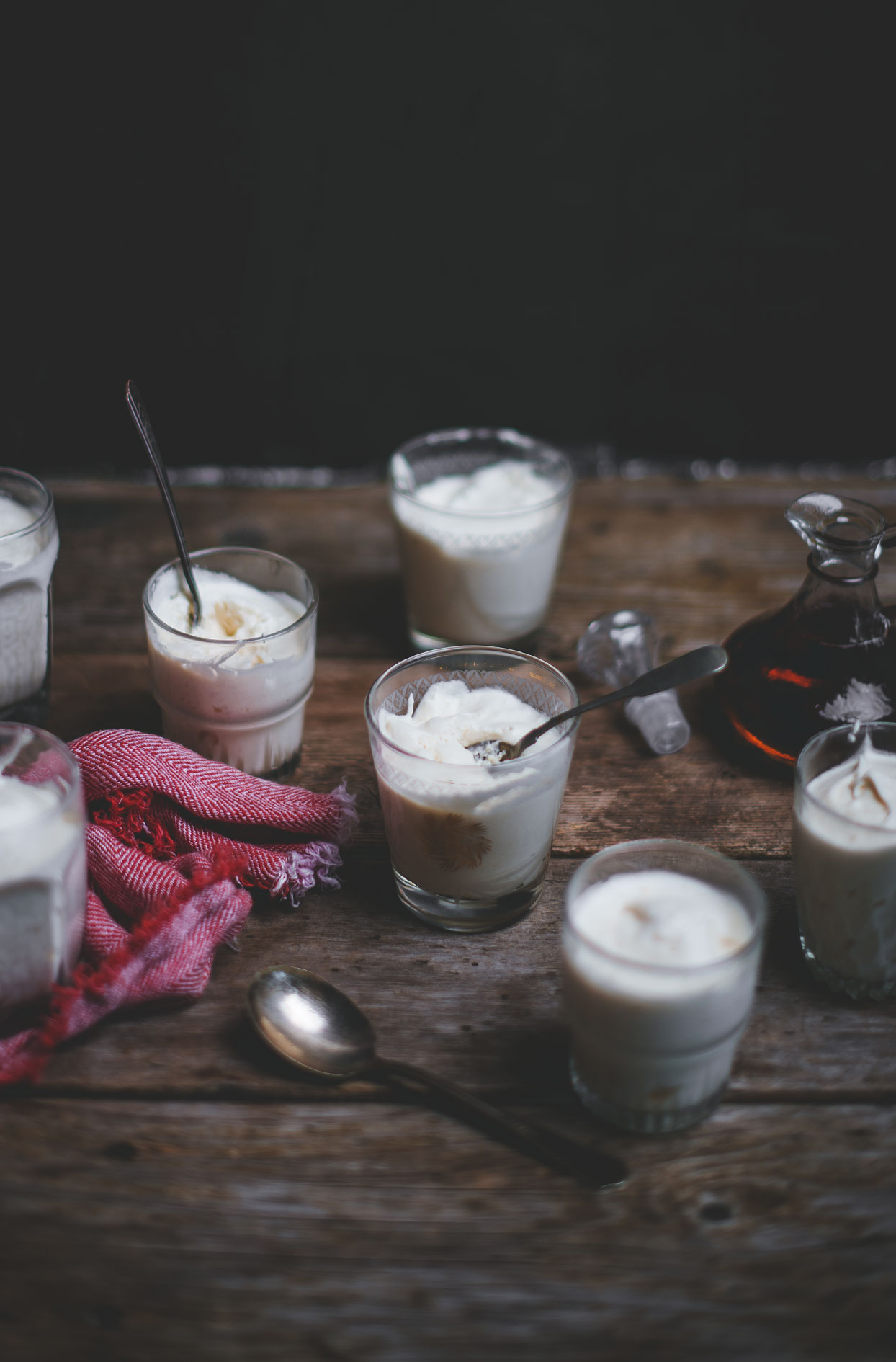
This is not a dessert on its own, it is the piece that completes another one. It mostly exists for the whites left behind by a yolk-heavy recipe. My homemade crème brûlée eats five at once, and my dark chocolate mousse four. Make either one at night, whip the meringue with the whites the next day, and nothing gets thrown out. If you are looking for somewhere to put it instead, spread it over my lemon tart and broil it for a minute to get the classic lemon meringue. And my maple mousse already calls for whipped whites, so you will know exactly what to do.
Ads
Ingrédients
- 4 large egg whites, at room temperature
- ½ tsp (2 ml) cream of tartar
- ⅛ tsp (0.5 ml) salt
- 1 cup (250 ml) sugar
Ads
Preparation
- Wipe the mixer bowl and the whisk with a cloth dipped in vinegar, then dry well. The slightest trace of fat will keep the whites from climbing.
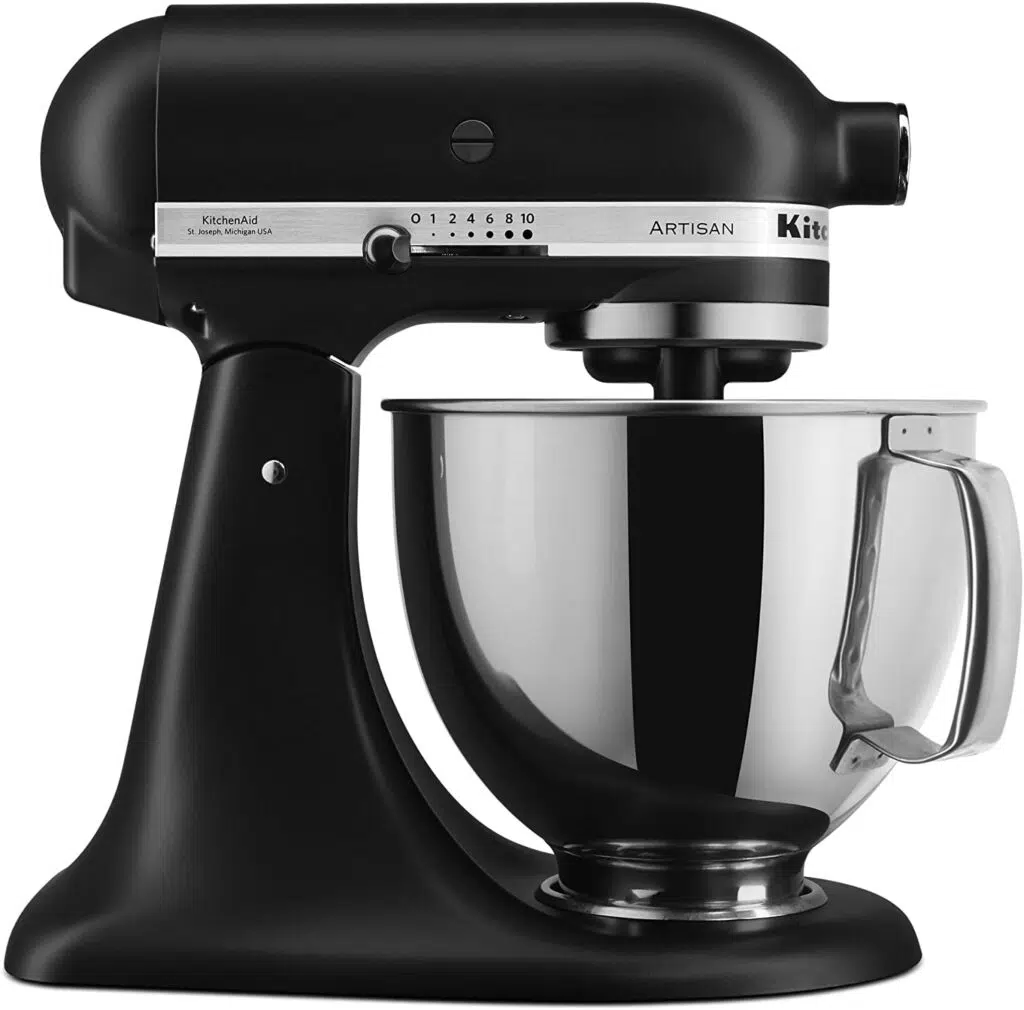
- Pour the room-temperature egg whites into the bowl with the cream of tartar and the salt. Whisk on low speed until the mixture is foamy.
- Turn the speed to high. Add the sugar one tablespoon at a time, waiting 15 to 20 seconds between each addition. Never dump the sugar in all at once, it will deflate the whites.
- Keep whisking until the meringue is thick, glossy and holds stiff peaks that stand straight on the whisk.
- Rub a little meringue between your thumb and index finger. If it feels gritty, the sugar has not dissolved: keep whisking and test again.
- Use right away, while the meringue is still firm: pipe and dry it into cookies, spread it over a tart and broil it, or shape it into a disc for a pavlova.
French, Swiss and Italian. French is this one: raw whites whipped cold with sugar. Swiss heats the whites and sugar together over a water bath before whipping, which gives a denser, more stable meringue. Italian whips the whites while you pour in boiling sugar syrup, which cooks them as they climb. French is by far the simplest, and it is the only one of the three that needs neither a thermometer nor a saucepan.
A bowl with zero trace of fat, and sugar added slowly. Those are the only two things that truly matter. Wipe the bowl and whisk with vinegar before you start, separate your eggs one at a time into a small bowl, and add the sugar one tablespoon at a time instead of dumping it in. The rest is just time on the mixer.
The base rule is twice as much sugar as whites, by weight. Four large whites run about 140 g and take one cup of sugar, which is 200 g. The higher the sugar, the firmer the meringue and the crisper it dries into a cookie. For a soft topping that stays foamy on a dessert, ease back on the sugar and stop the mixer a little sooner.
Three causes, in order. Fat in the bowl or a trace of yolk in the whites: it never really climbs. Sugar that never fully dissolved: it weeps beads of syrup as it bakes, and by then it is too late. Or humidity in the air: the sugar pulls it in and the meringue softens. Redo the finger test before you stop the mixer, that handles the most common case.
With the recipes that leave yolks behind. My homemade crème brûlée and my dark chocolate mousse leave you exactly the whites you need. And to use it right away, it goes on my lemon tart, broiled for one minute.
Ads
Ads
Ads
Ads
Ads